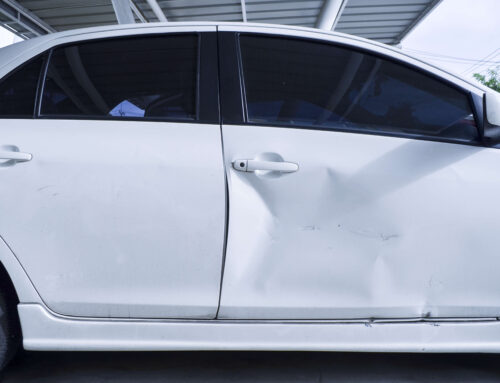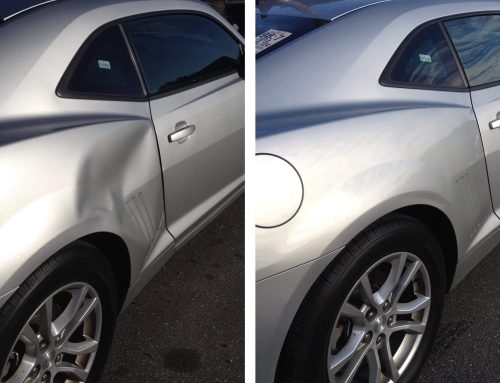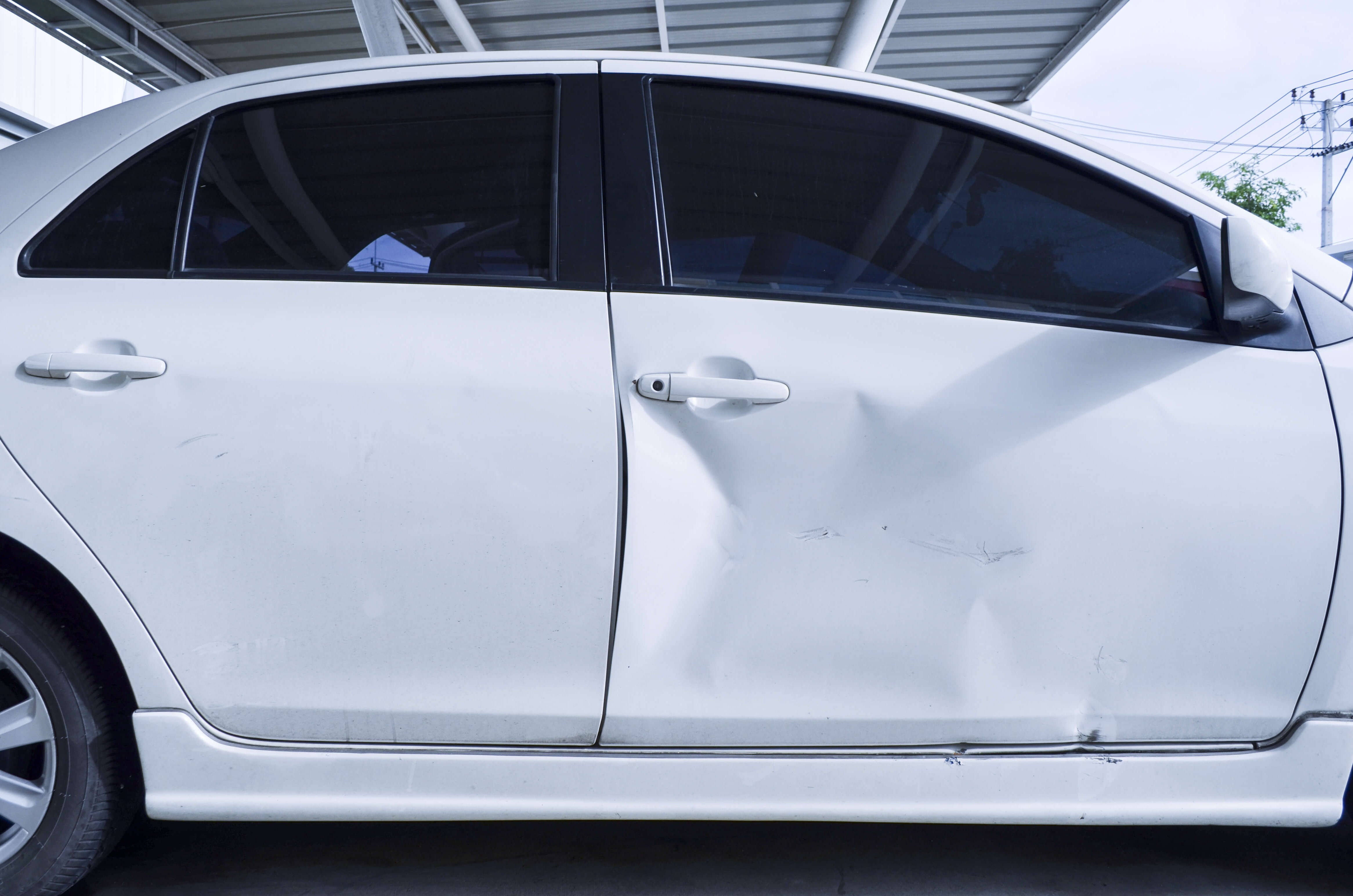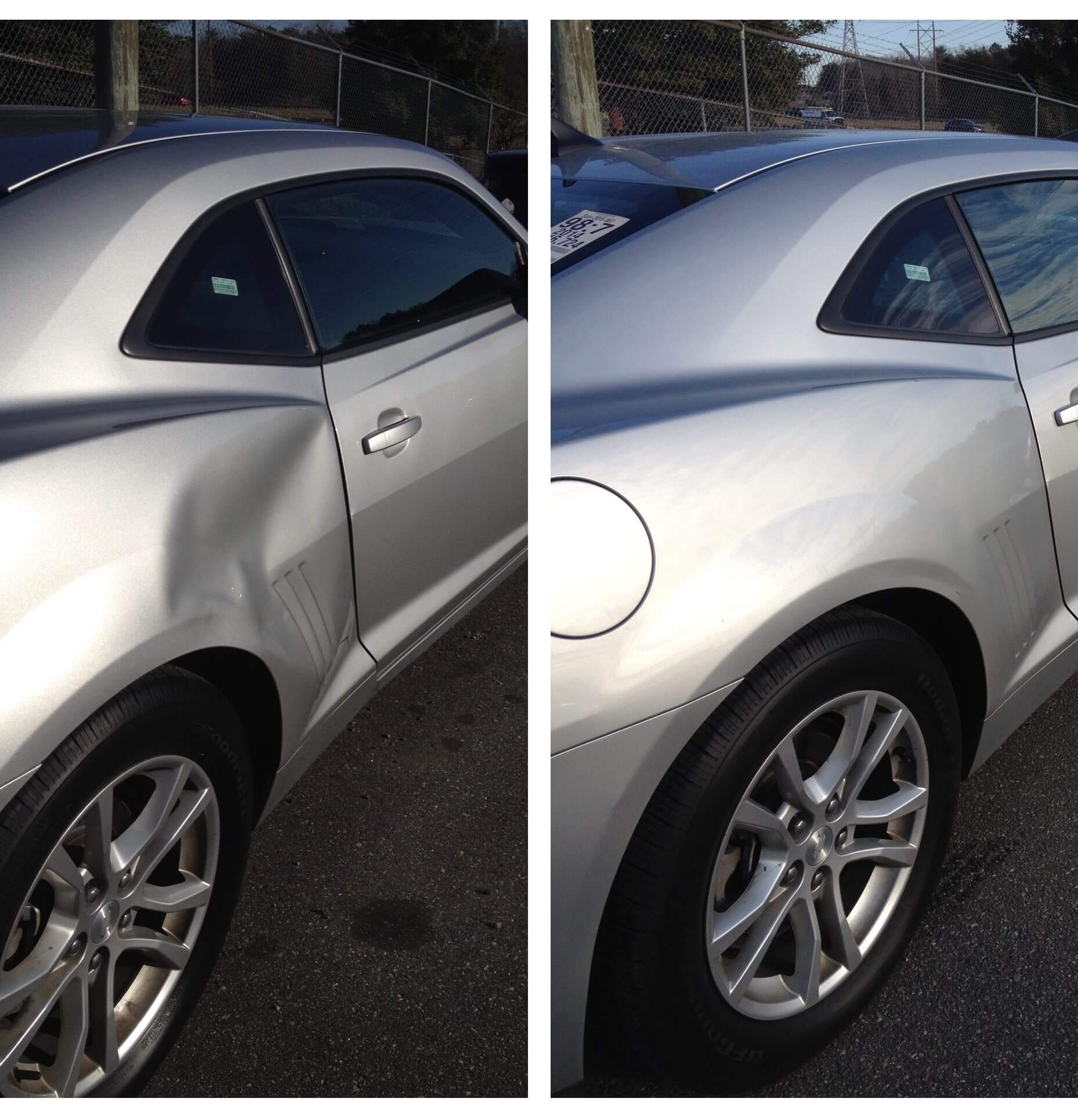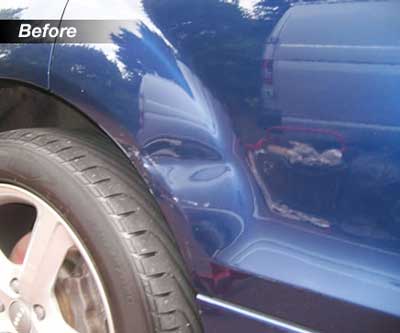

You notice several dents on your car after a hailstorm and request a repair estimate. You send a few photos, explain which panels were damaged, and receive an initial quote. But when the technician examines your vehicle in person, the repair estimate changes.
Why would that happen if the hail damage is the same?
Hail dent repair estimates may change because a closer inspection can reveal additional dents, damaged paint, difficult panel access, or other repair requirements that weren’t visible in the original photos. Specialized lighting can expose subtle impacts, particularly on the hood, roof, and trunk. A revised estimate should explain what changed and why before you approve additional work.
At Piedmont Dent Repair in Charlotte, NC, we understand that customers want clear information about their repair options and expected costs. When a vehicle has hail damage, the number of dents visible in a few photographs may not represent the full repair scope.
Here’s how the inspection process works, what can cause an estimate to change, and which questions to ask before authorizing repairs.
Initial Photo Assessment Versus Detailed Inspection
Photos are a useful starting point for a hail damage assessment, but they have limitations.
Hail can leave dozens of small indentations across several panels. Some are easy to see. Others become noticeable only under the right lighting or viewing angle.
That’s why a preliminary estimate and a detailed inspection may produce different findings.
What Can an Initial Photo Assessment Tell Us?
When you contact a dent repair company, photographs can help identify the general location and severity of the damage.
A wider image may show whether the hood, roof, or doors were affected.
Close-up photographs can reveal obvious dents, paint chips, and creases.
This information helps the technician begin evaluating whether paintless dent repair may be appropriate.
However, photographs don’t always reveal every impact.
Camera resolution, reflections, shadows, dirt, and the color of the vehicle can make smaller dents difficult to distinguish.
A photo-based estimate may therefore be provisional rather than a final assessment of every damaged area.
Why Photos May Underrepresent Hail Damage
Unlike a single parking lot dent, hail damage often involves numerous impacts across a vehicle.
Some dents may be shallow enough that they aren’t visible when photographed straight on.
Others may appear only when reflected light passes across the damaged metal at a particular angle.
A photograph also cannot reliably establish what sits behind a panel or whether the technician can access every dent.
The closer inspection provides information that may not have been available during the initial inquiry.
Does an In-Person Estimate Always Increase?
No.
A detailed inspection may identify additional damage, but it can also clarify that some marks are not dents or that a repair is less complicated than initially expected.
The purpose of an inspection is to define the work accurately.
A revised estimate should reflect the actual findings, whether they increase, reduce, or otherwise change the proposed scope.
At Piedmont Dent Repair, our goal is to help customers understand the condition of their vehicles and the repair being recommended.
If an estimate changes, the reason should be clear.
Why Reflections Reveal Overlooked Roof and Hood Dents
Specialized lighting is an important part of evaluating hail damage for paintless dent repair.
A vehicle can look relatively smooth under ordinary parking lot lighting while still having many small dents.
Professional reflection systems make subtle changes in the metal’s surface easier to identify.
How PDR Lighting Helps Identify Dents
Paintless dent repair technicians commonly use reflection boards or specialized lighting to inspect damaged panels.
The reflected lines or patterns change shape where the metal is uneven.
This helps the technician see the edges, depth, and shape of dents that may otherwise blend into the panel.
The National Alliance of Paintless Dent Repair Technicians recommends conducting hail damage estimates on a clean vehicle, indoors, and with professional PDR lighting equipment.
This controlled inspection process can reveal damage that wasn’t apparent in the initial photographs.
Why Roof Dents Can Be Easy to Miss
The roof is one of the areas that may receive multiple hail impacts.
However, it’s not always easy for a vehicle owner to examine.
Depending on the height of the vehicle, the center of the roof may be difficult to view from ground level.
Shallow dents may also blend into the roof’s broad surface.
During a professional inspection, the technician can examine the roof using appropriate access and lighting.
That may reveal additional damage requiring repair.
A few overlooked roof dents can change the total repair scope, especially when they’re located in areas with limited backside access.
Hood and Trunk Damage May Also Be Overlooked
The hood and trunk can contain shallow hail dents that become more visible under controlled reflections.
These panels may also include internal support structures.
A dent located over an accessible section of metal can present a different repair challenge from one positioned above reinforcement.
During the inspection, the technician considers both the number of dents and their locations.
An estimate based only on the visible exterior damage may not account for all of those details.
Why Dent Counts Matter
Hail repair isn’t always priced like a single door ding.
The number of dents, their sizes, their depths, and their distribution across the vehicle can all affect the amount of work involved.
For example, discovering additional small dents across the roof could change the estimated labor.
Finding a deeper dent along a body line could also affect the repair method.
A revised estimate should identify the additional damage rather than simply provide a higher total without explanation.
How Access and Paint Condition Change Scope
Identifying the dents is only one part of the assessment.
The technician also needs to determine how the damaged metal can be repaired and whether paintless dent repair is suitable.
A vehicle with several accessible dents and intact paint may require a different repair plan from one with damaged paint or limited tool access.
Why Backside Access Matters for Hail Dent Removal
Paintless dent repair often involves reaching the back of a dented panel with specialized tools.
The technician applies controlled pressure to reshape the metal while monitoring the surface.
But not every dent is easy to reach.
Internal bracing, structural reinforcement, wiring, and other vehicle components can restrict access.
A hail dent near a reinforced section may require a different technique or additional approved access work.
Those requirements can affect the scope of the estimate.
Can Trim Removal Affect a Hail Repair Estimate?
Yes.
Depending on the vehicle and the location of the dents, certain interior trim or other removable components may need to be accessed or removed under manufacturer-approved procedures.
For example, some roof repairs may involve additional work to reach the underside of the panel.
However, not every hail repair requires trim removal.
The need depends on the vehicle’s design, dent locations, and repair method.
If the estimate includes access-related labor, ask which components are involved and why.
The technician should also consider proper reassembly and any vehicle-specific requirements.
What If the Paint Is Cracked or Chipped?
Paintless dent repair is designed to address suitable panel deformation without repainting.
If a hail impact has cracked, chipped, or otherwise damaged the paint, reshaping the metal will not automatically restore the finish.
A technician may determine that conventional refinishing or another repair method is necessary.
This can change the proposed scope substantially.
For example, an initial photo may appear to show a dent with intact paint, but closer inspection could reveal a small crack at its deepest point.
The technician should explain whether PDR remains appropriate and whether additional finish repair is required.
Previous Repainting Can Add Another Consideration
If a hail-damaged panel has been repainted previously, tell the technician.
Earlier paintwork may affect the suitability of certain repair techniques, particularly exterior adhesive pulling.
Underlying body filler can also limit how safely the metal can be reshaped.
Not every repainted panel is unsuitable for PDR, but previous work can introduce uncertainty.
That information should be considered before confirming the repair plan.
When Conventional Repair May Be Recommended
Some hail dents are too deep, sharply creased, or otherwise unsuitable for paintless repair.
In those cases, conventional bodywork or refinishing may be appropriate.
The estimate should distinguish between dents proposed for PDR and damage requiring another method.
A combination of repair approaches may be necessary for some vehicles.
Our hail damage dent repair page explains the service and the factors involved in evaluating hail-damaged panels.
What a Revised Estimate Should Explain
An updated repair estimate should help you understand the difference between the original assessment and the more detailed findings.
You shouldn’t have to guess why the scope changed.
The revised estimate should identify the relevant damage, repair methods, and additional work being proposed.
Compare the Original and Revised Scope
Start by asking which findings weren’t included in the initial quote.
For example:
-
Were more dents discovered under inspection lighting?
-
Did the technician identify deeper or more complicated damage?
-
Were additional panels found to be affected?
-
Is trim removal or other access work necessary?
-
Was paint damage discovered?
-
Does the revised plan include a different repair method?
The answers should connect directly to the updated estimate.
Ask for a Panel-by-Panel Explanation
Hail damage often affects several parts of a vehicle.
A panel-by-panel explanation can help you understand where the work is concentrated.
For example, the revised estimate may identify additional dents on the roof while the hood assessment remains unchanged.
Or it may explain that a particular panel needs a different repair approach because of paint condition or access restrictions.
The estimate format can vary, but the scope should be understandable.
If you don’t recognize a line item, ask the technician to explain it before authorizing work.
Understand Labor and Access Requirements
Labor can change when the technician finds additional dents or determines that more preparation is needed.
An estimate may also account for appropriate component removal and reinstallation, depending on the vehicle and repair.
Ask whether the revised amount includes all currently identified work.
Also ask whether any uncertainties remain that could require another discussion.
No inspection can eliminate every possible unknown, but a transparent estimate should identify the major factors the technician has observed.
Ask Whether the First Quote Was Provisional
A preliminary quote based on photos should be clearly distinguished from a final estimate based on detailed inspection.
If you received a number before anyone examined the vehicle in person, ask what assumptions it included.
For example, it may have assumed a particular number of dents and no significant paint damage.
Once those assumptions are tested, the estimate may need to be revised.
Piedmont Dent Repair discusses factors influencing repair costs on our Cost page, including dent size, depth, location, and repair complexity.
Understanding those factors can make a revised quote easier to evaluate.
Don’t Compare Totals Without Comparing Scope
Two estimates can differ because they include different work.
One may address only the most visible dents.
Another may include additional roof damage, difficult access, or more extensive repair planning.
Before deciding that one estimate is better, ask whether both cover the same panels and damage.
A lower total isn’t necessarily a more complete repair plan.
Likewise, a higher estimate should not be accepted without a clear explanation of what additional work it includes.
Confirming Authorization Before Additional Work
A revised estimate is an opportunity to review the proposed work before it continues.
If the technician discovers additional hail damage or changes the recommended repair method, you should understand and authorize the updated scope.
This is especially important when the final cost may differ from the original quote.
Review the Change Before Approving It
Ask the technician to explain what was discovered and why the original estimate no longer reflects the proposed work.
You may want to see photographs, inspection notes, or another clear description of the additional damage.
Make sure you understand:
-
Which panels require additional attention
-
Whether the repair method has changed
-
What added labor or services are proposed
-
Whether the revised quote includes all known work
-
How the expected repair schedule may change
-
What work has already been performed, if any
These questions help you make an informed decision.
Should You Approve a Revised Estimate Before Work Continues?
Yes. If additional work is being proposed, review the revised scope and provide authorization through the repair provider’s applicable process before that work proceeds.
Don’t assume your original approval automatically covers every newly discovered repair.
The technician should explain whether the proposed change affects the amount, repair method, or other agreed terms.
If you’re uncertain, ask for clarification before approving it.
What If You Disagree With the Revised Estimate?
You can ask the technician to explain the findings in more detail.
For example, request clarification about additional dent counts, difficult panel access, or the need for conventional repair.
You may also ask which repairs were included in the original scope and which were added.
If you need more information before deciding, communicate that directly.
The purpose of the discussion is to make sure both parties understand the proposed work.
Keep a Copy of the Approved Scope
Once you agree to the repair plan, retain a copy of the estimate and any approved changes.
This can help you compare the completed work with what was proposed.
If questions arise during the repair, you’ll have a record of the agreed scope.
When the vehicle is ready, review the repaired areas with the provider and ask about any remaining limitations or recommendations.
How Piedmont Dent Repair Handles Assessment Questions
At Piedmont Dent Repair, we encourage customers to share clear information about their hail damage and ask questions about the repair options.
Initial photos can help us begin the conversation, but a detailed inspection may be necessary to establish the full scope.
If new findings change the proposed work, those changes should be explained before additional repair is authorized.
For general guidance on the estimating process, read our article How do you get an estimate to fix a dent in a car?.
Frequently Asked Questions About Hail Dent Repair Estimates
Why Can a Hail Repair Estimate Change?
A hail repair estimate can change when detailed inspection reveals additional dents, paint damage, difficult access, or other repair requirements. An initial quote based on photographs may not capture the full extent of the damage. Ask for an explanation of the revised scope before authorizing additional work.
Can Inspection Lighting Reveal More Hail Dents?
Yes. Professional PDR lighting and reflection systems help technicians identify subtle changes in a vehicle’s surface. Small dents on roofs, hoods, and other panels may be difficult to see under ordinary lighting. A detailed inspection may therefore reveal more damage than an initial photo review.
Does Trim Removal Affect Hail Repair Scope?
It can. Some dents require access to the back of a panel, and approved trim removal may be necessary depending on the vehicle and damage location. Not every repair requires disassembly. Ask which components must be accessed and whether that work is included in the estimate.
Should I Approve a Revised Estimate Before Work Continues?
Yes. Review the changes and confirm your authorization before additional work proceeds. The provider should explain the newly identified damage, proposed method, and any change to the agreed cost or schedule. Keep a copy of the approved revision for your records.
Is Paintless Dent Repair Suitable for All Hail Damage?
No. PDR may be appropriate for many dents when the paint is intact and the metal can be reshaped safely. Cracked paint, severely stretched metal, sharp creases, or access limitations can make another method more appropriate. A professional inspection is needed to assess suitability.
Does a Higher Estimate Mean the Technician Found More Dents?
Not necessarily. Additional dents are one possible reason, but difficult access, paint damage, repair method changes, or added labor may also affect the estimate. Ask for a breakdown showing what changed rather than assuming the difference reflects dent count alone.
Need a Hail Dent Repair Assessment in Charlotte? Contact Piedmont Dent Repair
After a hailstorm, it’s normal to want a clear answer about how much the damage will cost to repair.
But an initial photograph may not reveal every dent or complication.
At Piedmont Dent Repair, we help Charlotte-area vehicle owners evaluate hail damage and understand their paintless dent repair options.
If you’ve received an initial estimate and have questions about the damage, send us photographs and describe which panels were affected.
A closer inspection can help determine whether the original assessment reflects the full repair scope and whether PDR is appropriate for the vehicle.
We’ll discuss the information needed to evaluate the damage and explain the next steps.
Learn more about our hail damage dent repair services or contact us to request an assessment.
Let’s take a closer look at the hail damage so you can understand the proposed repair before authorizing the work.