Many drivers love quick fixes, especially when it comes to small dents or minor cosmetic issues. In the world of DIY dent removal, WD-40 is often mentioned as a “secret weapon” that can supposedly help smooth dents or restore paint afterward. Social media videos and online forums have turned WD-40 into a common recommendation for everything from stuck bolts to dent-related touch-ups.
But what really happens when WD-40 is sprayed directly onto a car’s paint or clear coat? Does it actually help with dent removal, or can it create more problems than it solves? While WD-40 may look harmless at first, there are important facts that car owners should understand before using it on their vehicle’s exterior.
Does WD-40 damage clear coat when used for dent removal claims?
WD-40 itself does not usually damage clear coat when used briefly, but using it for dent removal claims can still be risky. WD-40 is a petroleum-based product designed to displace water and loosen grime, not protect automotive paint.
Potential concerns include:
- Residue buildup that attracts dirt and dulls shine
- Softening of wax or sealant layers, leaving paint unprotected
- Uneven finish if not fully removed
- Paint damage risk when combined with heat, suction tools, or pressure
- Voided paint warranties if improper methods are used
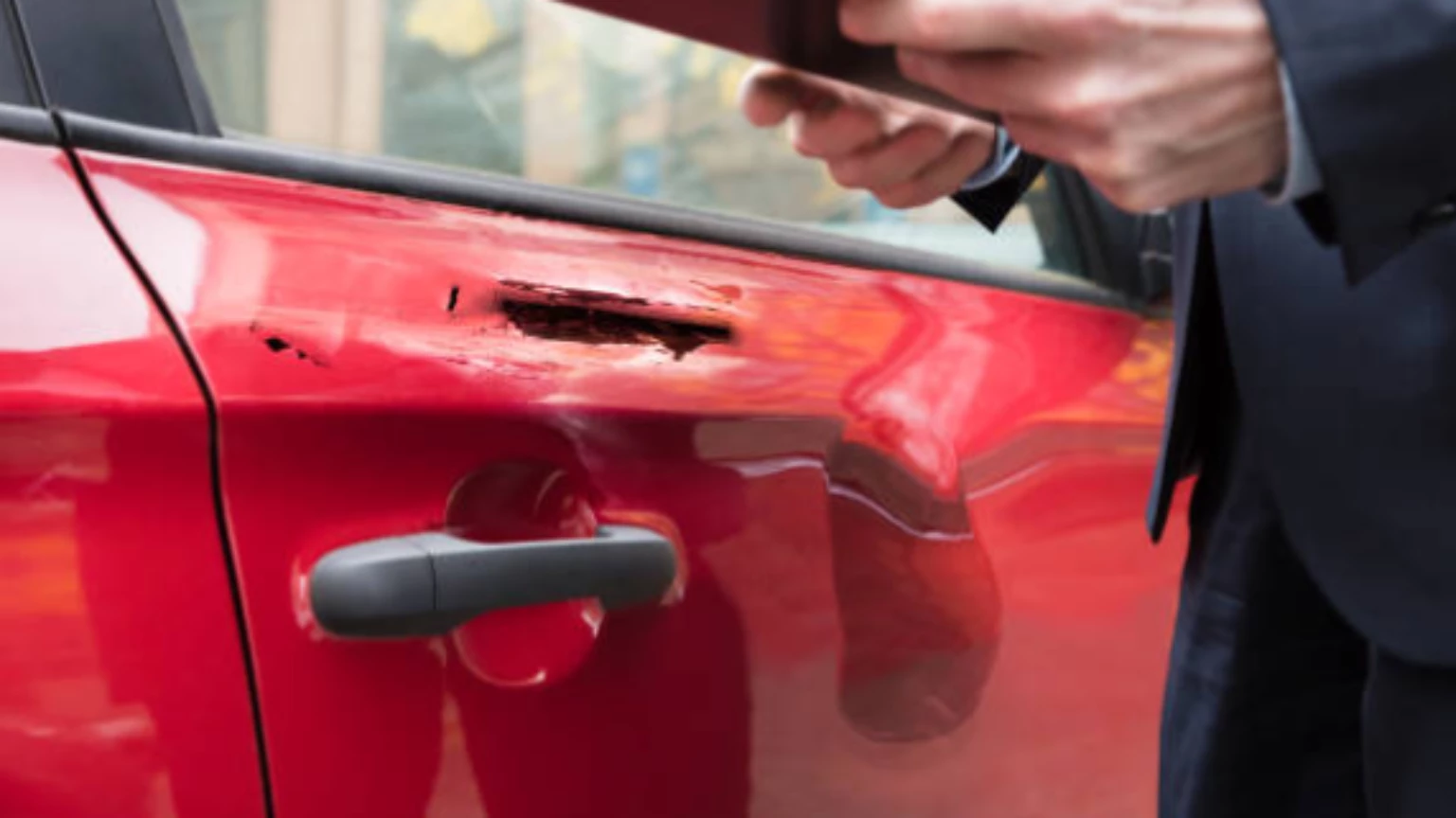
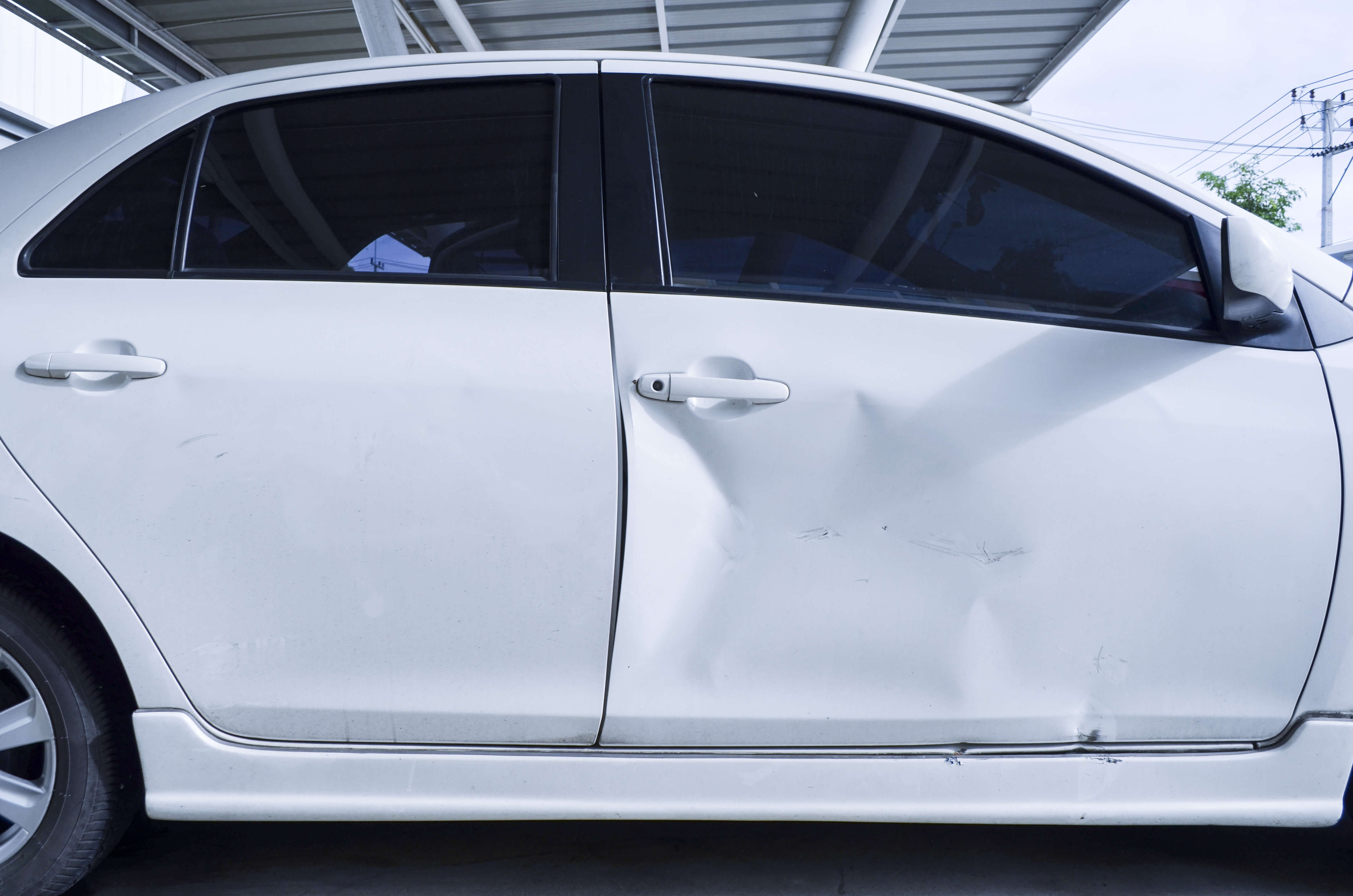
While WD-40 may temporarily improve the appearance of a dent by darkening the surface, it does not actually repair the damage. Auto insurance and paintless dent repair professionals often advise against DIY methods because they can worsen damage or complicate claims. Using WD-40 may make dents harder to assess and could affect repair eligibility.
Can WD-40 affect automotive paint finish over time after dent treatment?
A vehicle’s paint finish is designed to withstand outdoor conditions, but it’s also carefully engineered with specific chemical compatibility in mind. Products not intended for automotive paint can slowly cause unwanted changes, even if damage isn’t obvious right away.
When WD-40 is used after a dent treatment attempt, drivers often apply it to make the area look better temporarily. The surface may appear smooth, glossy, or less noticeable. Unfortunately, that effect is short-lived.
With prolonged exposure or repeated application, WD-40 can:
- Break down protective wax or sealant layers
- Leave behind greasy buildup
- Cause uneven shine in treated areas
- Increase the likelihood of embedded dirt
- Make polishing more difficult later
One of the biggest long-term concerns is that WD-40 is not a true protectant for paint. Unlike automotive wax, ceramic coatings, or paint-safe detailing sprays, WD-40 does not cure or bond to the surface in a stable way.
Instead, it sits on top of the clear coat, collecting contaminants. Over weeks or months, this can lead to blotchy appearance changes, especially if the car is exposed to sunlight and heat.
In warmer climates, residues can become harder to remove and may even begin to discolor slightly when mixed with road chemicals.
For car owners trying to preserve resale value or keep their paint looking consistent, WD-40 is not the right product to rely on after dent-related concerns.
What do professionals say about WD-40 as a solution for minor dent removal?
Professionals generally agree that WD-40 is not a reliable or recommended solution for removing dents, even minor ones. While it may make a dent look less noticeable for a short time, it doesn’t actually fix the damage.
Here’s what experts typically point out:
- WD-40 does not reshape metal or repair underlying damage
- It may temporarily reduce surface friction, making dents seem smoother
- Any visual improvement is usually short-lived
- It can leave residue that attracts dirt and dust
- It may interfere with future paint or repair work
- Using it can delay proper repair and worsen the issue over time
Auto body professionals recommend proven methods like paintless dent repair, which safely reshapes the metal without damaging paint. WD-40 might make a panel look shinier, but it doesn’t restore structure. For lasting results, experts advise using proper tools or consulting a trained technician rather than relying on quick fixes that don’t address the real problem.
Why does WD-40 sometimes leave marks or discoloration on car paint surfaces?
One of the most common complaints from drivers who try WD-40 on their car’s exterior is unexpected staining or marks. This can happen even when the product was only applied briefly.
So why does this occur?
The answer usually lies in residue interaction.
WD-40 leaves behind a thin oily coating that can:
- Trap dirt particles immediately
- Smear when wiped improperly
- React with existing wax layers
- Highlight uneven paint oxidation
- Create darker patches on lighter paint colors
In some situations, drivers mistake these patches for “damage,” when they are actually areas where dirt and oil have bonded unevenly.
Another factor is older or already weakened clear coats. Vehicles with sun-faded paint, micro-cracks, or peeling clear coats are much more likely to show discoloration when WD-40 is applied.
WD-40 can seep into imperfections and make them more noticeable.
Additionally, if the product is left too long without removal, it may become sticky under heat and sunlight, making it harder to clean off completely.
Marks may also occur if someone wipes aggressively, causing micro-scratches as trapped particles drag across the clear coat.
In short, WD-40 can leave marks not because it is instantly corrosive, but because it changes how the surface holds contamination and reflects light.
That’s why professionals recommend using only paint-safe cleaners and proper repair techniques instead of lubrication sprays.
Let the Professionals Handle Your Dents Safely
If you’ve been wondering whether WD-40 is safe for dents or paint, the best step is getting the right repair approach before the finish is compromised.
Small dents don’t need risky home experiments or temporary sprays that can create discoloration or surface buildup. A professional paintless dent repair assessment ensures your clear coat stays intact and your vehicle’s factory finish remains untouched.
For trusted, clean, long-term results, reach out today and let Piedmont Dent Repair restore your vehicle the right way with expert care and proven methods.