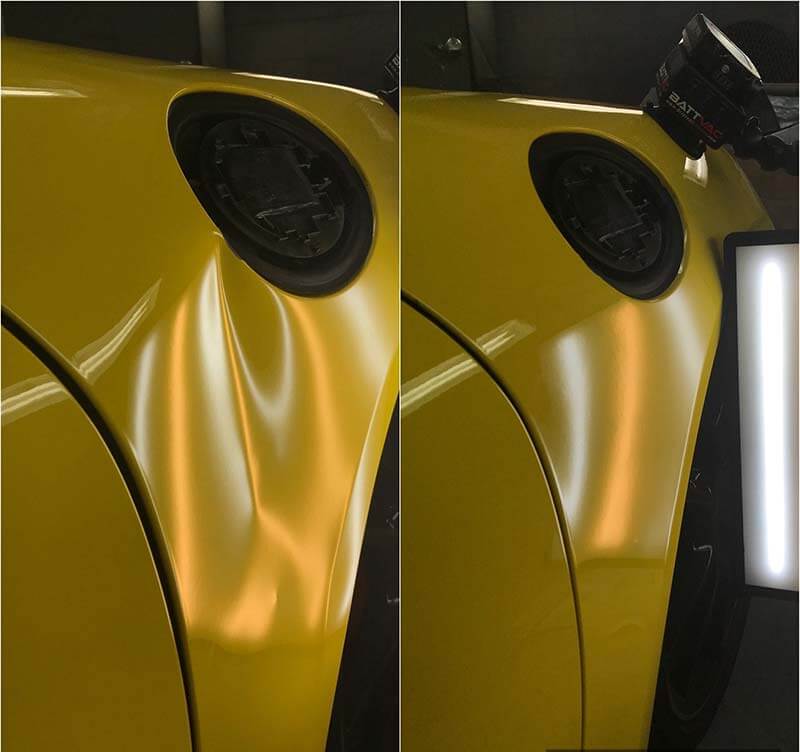
Discovering a dent on your car can be frustrating. Whether it happened in a parking lot, from a falling branch, or during a minor collision, dents can affect both the appearance and value of your vehicle.
The good news is that many small dents can be repaired using simple techniques at home. For larger or more complex damage, professional repair services can restore your car to its original condition.
What Causes Dents in Cars?
Car dents can happen in many everyday situations. Understanding the common causes can help drivers take steps to reduce the risk of damage.
- Parking Lot Accidents
Parking lots are one of the most common places for car dents. Doors from nearby vehicles, tight parking spaces, or careless drivers can easily cause small dents.
- Tree Branches and Falling Debris
Parking under trees can expose your vehicle to falling branches, nuts, or debris during storms or windy conditions.
- Road Debris While Driving
Loose gravel, rocks, and debris kicked up by other vehicles can hit your car’s exterior and create dents or chips.
- Minor Collisions
Even low-speed collisions can leave dents on bumpers, doors, or fenders.
- Shopping Carts and Trolleys
Grocery carts can easily roll into parked vehicles and cause dents if they are not secured.
- Street Animals or Environmental Factors
Animals jumping or walking across vehicles can sometimes cause dents, especially on thin metal panels.
Top DIY Methods to Fix Car Dents at Home
Many minor dents can be repaired at home using common tools and household items.
- Plunger Method for Small Car Dents
A standard household plunger can help pull out shallow dents. Wet the plunger and the dented area to create suction. Place the plunger over the dent and pull gently until the dent pops back into shape.
- Boiling Water Method for Plastic Bumpers
Plastic bumpers can become flexible when heated. Pour boiling water over the dented area to soften the plastic. Then push the dent out from behind and cool the surface with cold water to restore its shape.
- Hair Dryer and Compressed Air Technique
Heat the dent using a hair dryer for several minutes. Then spray compressed air upside down onto the heated area. The sudden temperature change can cause the dent to contract and pop out.
- Using a Heat Gun for Stubborn Bumper Dents
A heat gun provides stronger heat than a hair dryer. Carefully heat the dent while moving the heat gun to avoid damaging the paint. Once the plastic softens, gently push the dent out from behind.
- DIY Dent Puller Kits
Automotive stores sell dent repair kits designed for DIY repairs. These kits usually include pulling tools and adhesive tabs that help lift dents out of the surface.
- Using Dry Ice to Remove Dents
Dry ice can create extreme cooling that helps contract the metal and pop dents out. Always wear protective gloves when handling dry ice.
- Vacuum Cleaner Suction Method
Some people use suction from a vacuum cleaner combined with a sealed container to create enough pressure to pull out a dent on flat surfaces.
DIY Techniques for Removing Bumper Dents at Home
Plastic bumpers are more flexible than metal panels, making them easier to repair with heat.
Method 1: Boiling Water Dent Removal (Step-by-Step)
First, boil water and pour it carefully over the dent. This softens the plastic. Next, push the dent outward from behind using a tool or your hand with protective gloves. Finally, pour cold water over the area to harden the plastic.
Method 2: Hair Dryer and Compressed Air Technique
Heat the dent evenly using a hair dryer. Then quickly cool the area with compressed air. This rapid cooling can cause the dent to pop back into place.
Method 3: Plunger Dent Removal
A plunger works best for shallow dents on smooth surfaces. Press the plunger firmly onto the dent and pull several times until the dent improves.
Method 4: Heat Gun Dent Repair
For larger bumper dents, a heat gun can soften the plastic more effectively. Heat the area gradually and push the dent out slowly from behind.
Safety Tips When Fixing Car Dents Yourself
DIY dent repair can be effective, but safety should always come first.
- Wear Protective Gear
Use gloves when handling boiling water, dry ice, or heated surfaces to prevent burns or frostbite.
- Avoid Overheating the Surface
Too much heat can damage the paint or warp plastic panels. Always move the heat source around evenly.
- Handle Boiling Water Carefully
Pour hot water slowly to avoid splashing and burns.
- Protect the Paint and Plastic Components
Use soft tools or wrap tools with cloth to prevent scratching the paint.
- Work on a Stable and Safe Surface
Make sure the car is parked securely on a flat surface before starting repairs.
When Should You See a Professional for Dent Repair?
DIY methods work best for minor dents. In some situations, professional repair is the better option.
- Deep Dents and Sharp Creases
Dents with sharp edges are difficult to repair at home and often require specialized tools.
- Cracked Plastic Bumpers
If the bumper is cracked, heating or pushing it can make the damage worse.
- Exposed Metal or Paint Damage
If the paint has chipped and metal is exposed, professional repair is recommended to prevent rust.
- Large Collision Damage
Major dents from accidents usually involve structural damage that only professionals can repair properly.
How Professionals Fix Car Dents
Auto body shops use advanced tools and techniques to restore damaged vehicles.
Paintless Dent Repair (PDR)
This method reshapes the metal from behind the panel without damaging the original paint. It is commonly used for small dents and hail damage.
Filling, Sanding, and Repainting
For deeper dents, technicians may use body filler to smooth the surface before repainting the area to match the original color.
Replacing Damaged Panels or Bumpers
If the damage is severe, replacing the panel or bumper may be the most effective solution.
Why It’s Important to Fix Car Dents Quickly
Ignoring dents can lead to additional problems over time.
- Prevent Rust and Corrosion
Dents that damage the paint can expose metal to moisture, which may lead to rust.
- Maintain the Vehicle’s Resale Value
Cars with visible dents typically sell for less than well-maintained vehicles.
- Preserve Structural Safety
Damage to panels or bumpers can affect how the car absorbs impact during future accidents.
- Avoid Higher Repair Costs Later
Small dents are usually cheaper to repair. Waiting too long can make repairs more expensive.
Frequently Asked Questions About Car Dent Repair
How can I remove a dent from my car at home?
Small dents can often be removed using methods such as a plunger, boiling water, heat and compressed air, or DIY dent repair kits.
Does the boiling water trick work on car dents?
Yes, it can work well on plastic bumpers because heat makes the plastic flexible enough to reshape.
Can a plunger really fix a car dent?
A plunger can work for shallow dents on flat surfaces where strong suction can be created.
What household items can remove car dents?
Common items include plungers, hair dryers, boiling water, compressed air, dry ice, and vacuum cleaners.
Does a hair dryer and compressed air fix dents?
The rapid heating and cooling process can sometimes cause small dents to pop back into place.
Can dry ice remove dents from cars?
Dry ice can create extreme cold that helps contract metal and potentially pop dents out, though results vary.
How much does professional dent repair cost?
The cost depends on the size and location of the dent. Small repairs may cost under $100, while larger repairs can cost several hundred dollars.
What is paintless dent repair (PDR)?
Paintless dent repair is a method used by professionals to reshape metal panels without repainting the vehicle.
When should I avoid DIY dent repair?
DIY repair should be avoided if the dent is deep, has sharp creases, or involves cracked plastic or damaged paint.
Can car dents cause rust?
Yes. If the dent damages the paint and exposes the metal, moisture can cause rust over time.
Don’t Let a Small Dent Turn Into a Bigger Problem
Even a small dent can take away from your car’s clean, polished look. Quick action helps prevent further damage and preserves resale value. While at-home fixes may work for very minor dings, larger dents demand professional attention for a seamless repair.
At Piedmont Dent Repair, we focus on restoring your vehicle with care, precision, and efficiency. We specialize in paintless dent repair that removes imperfections without sanding, fillers, or repainting.
When you want your car to look like the dent never happened, trust us to deliver results that protect both your vehicle’s appearance and value.