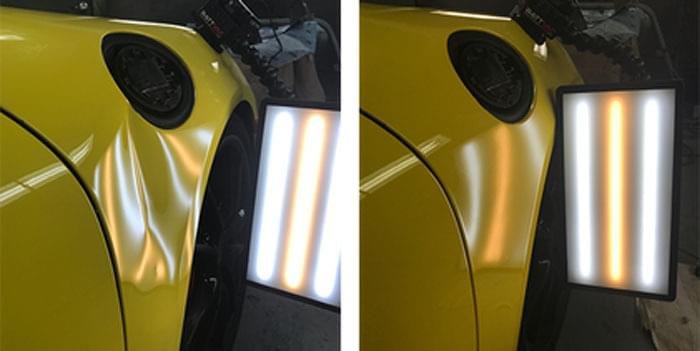
If your car has a dent, one of the first decisions you’ll face is whether to go with paintless dent repair or traditional dent repair. The right choice depends on the size of the damage, the condition of the paint, and how quickly you want your vehicle restored.
In many cases, paintless dent repair (PDR) is faster, more affordable, and preserves your original finish. However, traditional methods may be necessary for more severe damage.
Understanding the differences between these two approaches can help you make a confident decision and avoid unnecessary costs.
Which Is Better: Paintless Dent Repair or Traditional Body Repair?
There is no one-size-fits-all answer because both methods serve different purposes. The “better” option depends on the type of damage your vehicle has.
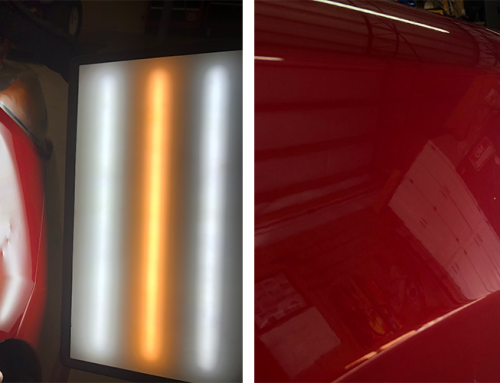
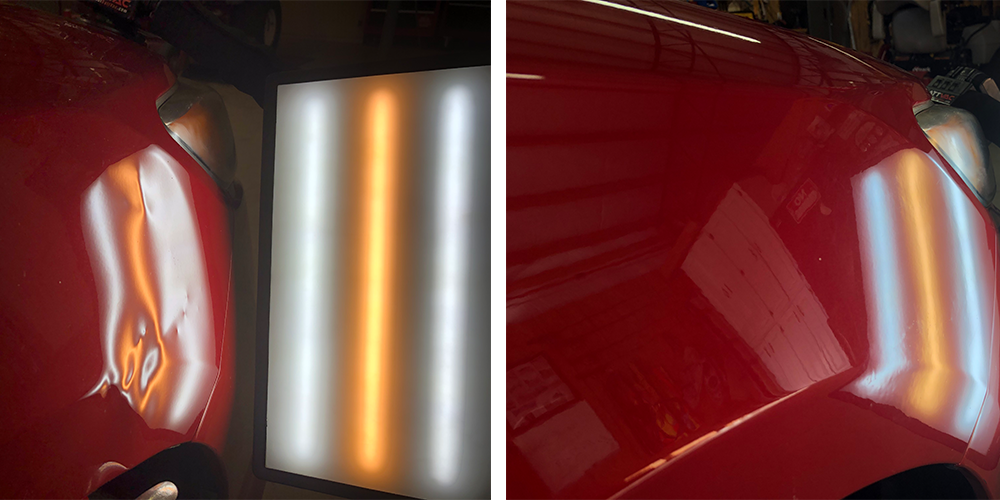
Paintless dent repair is ideal for minor dents where the paint surface remains intact. This method involves carefully massaging the metal back into place from behind the panel. Since there is no sanding, filling, or repainting, the original factory finish is preserved.
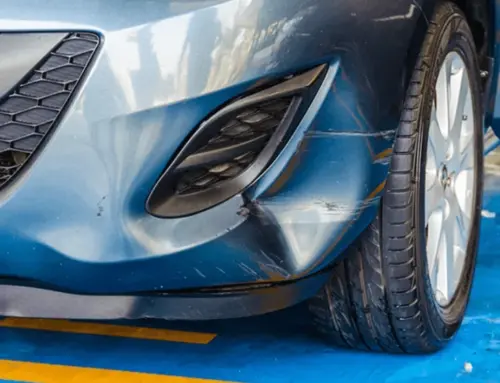
Traditional repair, on the other hand, is used for more extensive damage. This process often involves sanding, applying filler, repainting, and sometimes replacing parts of the panel.
- PDR works best for small to medium dents
- Traditional repair handles deep or paint-damaged dents
- PDR keeps original paint intact
- Traditional repair may involve repainting and blending
If your goal is to maintain your vehicle’s original look and value, paintless dent removal is often the preferred option. However, if the damage is severe, traditional methods may be the only solution.
When Should I Choose PDR Over Traditional Dent Repair?
Choosing paintless dent repair over traditional methods depends on the condition of your vehicle’s surface and the nature of the dent. PDR is most effective when the paint has not been cracked or chipped.
If the dent is shallow and the metal has not been stretched too far, PDR can usually restore the panel to its original shape. Common situations where PDR works well include hail damage, door dings, and minor creases.
- The paint is still intact
- The dent is not too deep or sharp
- The panel is accessible from behind
- The damage is not near the edge of a panel
Traditional repair becomes necessary when the damage goes beyond these conditions. For example, if the paint is scratched or missing, repainting will be required. Deep dents or those with sharp folds may also need more extensive work.
For drivers considering paintless dent removal in Charlotte, NC, a professional inspection can quickly determine if PDR is a suitable option. Choosing the right method early can save both time and money.
Is Paintless Dent Removal Cheaper Than Traditional Repairs?
In most cases, paintless dent repair is more affordable than traditional repair methods. This is because it requires less labor, fewer materials, and no repainting process.
Traditional repairs often involve multiple steps, including sanding, filling, priming, painting, and drying. Each of these steps adds time and cost to the overall repair. In contrast, PDR focuses on reshaping the metal without altering the paint, which simplifies the process.
- No paint or materials required
- Faster turnaround time
- Less labor-intensive process
- Lower overall repair costs
Because PDR preserves the original finish, it also helps maintain your car’s resale value. Repainting can sometimes lead to mismatched colors or reduced value, especially if not done perfectly.
However, cost should not be the only factor. If the damage requires traditional repair, choosing a cheaper option may not deliver the best results. It is always important to match the repair method to the condition of the vehicle.
For many minor dents, paintless dent removal offers a cost-effective solution without compromising quality.
Does Traditional Dent Repair Last Longer Than PDR?
Both paintless dent repair and traditional repair can provide long-lasting results when done correctly. The difference lies in how the repair is performed and the type of damage being addressed.
PDR restores the metal to its original shape without adding fillers or paint. Because of this, the repair is permanent as long as the metal is properly reshaped. There is no risk of paint peeling or filler cracking over time.
Traditional repair involves additional materials such as body filler and paint. While these repairs can be durable, they may be more susceptible to wear over time if not applied correctly. Factors like weather exposure and quality of workmanship can affect longevity.
- PDR maintains original factory finish
- No risk of paint mismatch or peeling
- Traditional repairs depend on material quality
- Both methods can be long-lasting with proper work
In many cases, PDR is actually more durable because it avoids altering the original surface. However, for severe damage, traditional repair is necessary to restore structural integrity.
Choosing between traditional dent repair and PDR should focus on what best restores your vehicle, not just longevity.
What Factors Determine the Best Dent Repair Method for My Car?
Several factors influence whether paintless dent repair or traditional repair is the better choice. Evaluating these factors can help you make an informed decision.
The size and depth of the dent are key considerations. Small, shallow dents are ideal for PDR, while larger or deeper dents may require traditional methods.
The condition of the paint is another major factor. If the paint is intact, PDR is usually possible. If the paint is damaged, repainting will be needed.
Location also matters. Dents near edges, seams, or areas with limited access may be harder to repair with PDR.
- Dent size and depth
- Paint condition
- Location of the damage
- Accessibility of the panel
- Type of metal used in the vehicle
Professional technicians assess these factors before recommending a repair method. For drivers in need of paintless dent removal in Charlotte, NC, getting an expert opinion ensures the best outcome.
The goal is always to restore your vehicle efficiently while maintaining its appearance and value.
Final Thoughts
Deciding between paintless dent removal and traditional dent repair comes down to the type of damage and your goals for the repair. PDR is often the best choice for minor dents because it is faster, more affordable, and preserves your vehicle’s original finish.
Traditional repair is necessary for more severe damage where paint or structure is compromised. By understanding the differences and consulting with a professional, you can choose the method that delivers the best results for your car.
Get Expert Help from Piedmont Dent Repair
If you are unsure which repair method is right for your vehicle, Piedmont Dent Repair can help. Our team specializes in evaluating damage and recommending the most effective solution, whether it is PDR or traditional repair.