Table of Contents
- Do Dents Lower A Car’s Resale Value?
- Is Dent Repair Worth It Before Selling A Vehicle?
- How Much Value Can Dent Repair Add Back To A Car?
- Will Buyers Notice Repaired Dents?
- Does Paintless Dent Repair Show Up On Vehicle History Reports?
- Can Unrepaired Dents Affect Trade-In Offers?
- Should I Repair Dents Before Listing My Car For Sale?
- Key Takeaways
- Sell With More Confidence Through Piedmont Dent Repair
Yes, dent repair can help restore your car’s resale value when the damage is visible, minor, and repairable without repainting. Clean panels make a vehicle look maintained and can reduce buyer objections during pricing, inspection, or trade-in review overall.
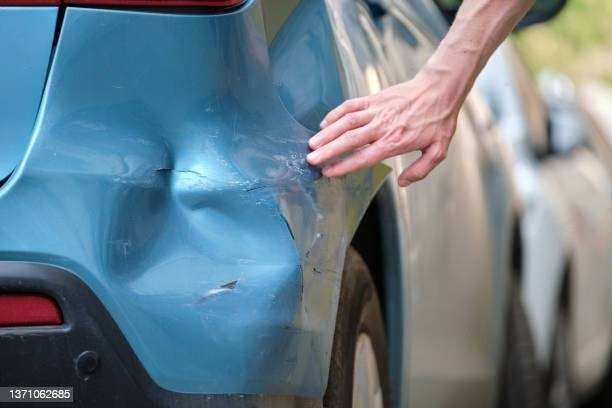
Dents send a message before a buyer starts the engine. Even small damage can make people wonder about neglect, accidents, parking habits, or hidden problems. Professional repair cannot change age or mileage, but it can improve first impressions and help protect the offer you deserve when selling or trading soon.
Do dents lower a car’s resale value?
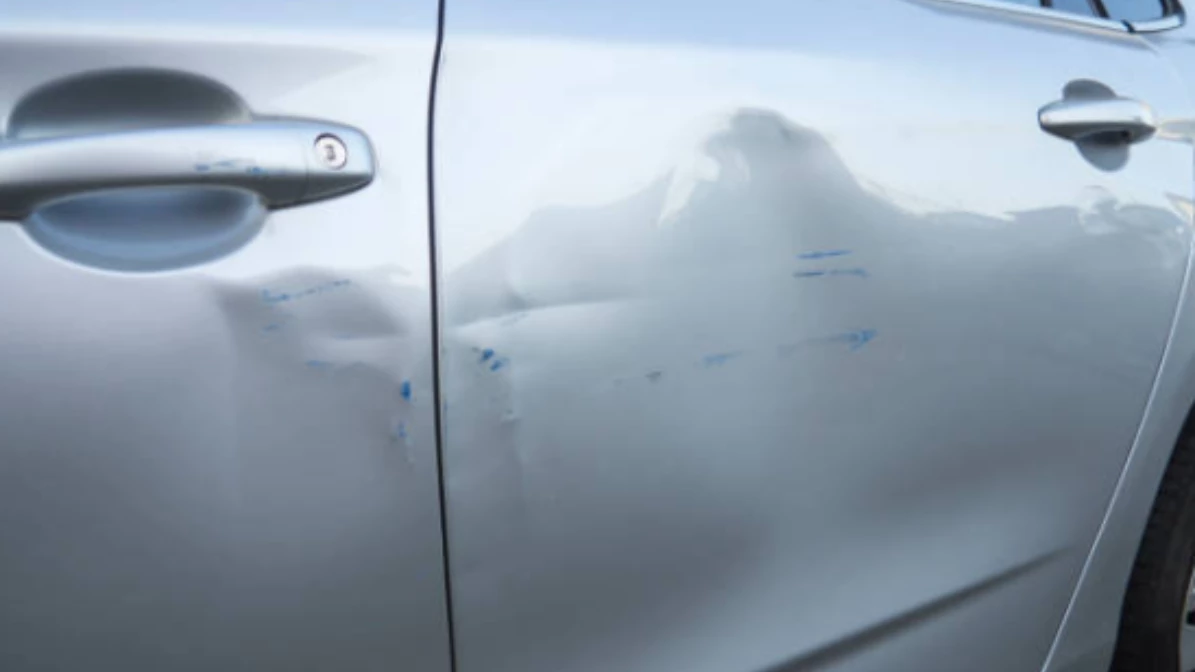
Yes, dents can lower a car’s resale value because buyers judge condition quickly. A clean vehicle suggests better care. A dented vehicle can suggest careless ownership, even when the damage is cosmetic.
Dents also create negotiation pressure. Buyers may ask for a discount because they assume repair will be expensive. Dealers may reduce trade-in offers because they must recondition the vehicle before resale.
Why appearance affects pricing
Used car buyers compare similar vehicles. With similar mileage, features, and service history, the cleaner vehicle feels safer to buy.
Visible dents can make a car look older and make listing photos less appealing.
For private sellers, appearance often determines whether a buyer schedules a visit. For trade-ins, appearance helps determine reconditioning cost.
This is where professional dent repair services matter. Removing visible dents may make the vehicle look closer to retail condition.
Is dent repair worth it before selling a vehicle?
Dent repair is often worth it before selling when the repair cost is less than the value it protects. Small door dings, creases, parking lot dents, and light hail damage may be good candidates.
The decision should be practical. Repairing every mark on an older vehicle may not make sense. Repairing obvious damage on a newer vehicle often does.
When repair makes financial sense
Dent repair may be worth it when:
- The dent is easy to see in photos
- The vehicle is newer or higher value
- The paint is still intact
- You plan to sell privately
- The damage may reduce trade-in value
- The repair cost is reasonable
Paintless dent repair can restore the panel without repainting and keeps the original finish in place.
Before selling, ask for an inspection. A technician can explain whether repair is realistic and useful.
How much value can dent repair add back to a car?
There is no fixed amount because every vehicle and dent is different. Dent repair may add value by reducing objections rather than increasing book value directly.
A buyer may not pay extra because a dent was repaired, but they may be less likely to demand a discount.
Value depends on context
The effect depends on value, age, mileage, paint condition, dent location, repair quality, and buyer expectations.
A small ding on an older work vehicle may not matter much. A dent on a clean luxury sedan may matter a lot.
Repair can also help perceived maintenance. Buyers often connect exterior condition with overall care.
The strongest car resale value after dent repair usually comes when repairs are clean, paintless, and completed before photos, appraisals, or inspections.
Will buyers notice repaired dents?
Buyers may not notice repaired dents if the work is done properly and the paint was not damaged. Quality paintless dent repair restores the panel without sanding, fillers, or repainting.
A skilled technician works the metal back into shape with controlled pressure. When the dent qualifies for PDR, the repair can be difficult to detect.
What buyers may still notice
Buyers may notice poor repair work. Uneven paint, sanding marks, color mismatch, overspray, texture differences, or remaining distortion can raise concerns.
That is why repair quality matters. A rushed or cheap repair can hurt confidence more than the original dent.
Paintless repair avoids many concerns when the factory finish remains intact. Traditional repair can still be excellent, but it depends on paint matching and finishing skill.
If you plan to sell, the repair should look clean in sunlight, shade, and listing photos.
Does paintless dent repair show up on vehicle history reports?
Paintless dent repair usually does not show up on vehicle history reports when it is paid privately and does not involve an insurance claim. Since PDR does not replace parts or repaint panels, it often remains cosmetic.
However, reporting depends on how the repair is handled. If an insurance claim is filed, or if damage is connected to a larger incident, records may exist.
Why PDR is different
Paintless dent repair does not typically require filler, refinishing, or panel replacement. It preserves the original paint when the damage qualifies.
Because of that, it may concern future buyers less than traditional body repair. Original paint often feels more trustworthy than visible repainting.
Still, sellers should be honest if asked about damage. Simple dent repair is usually not a major issue when the work is clean.
Can unrepaired dents affect trade-in offers?
Yes, unrepaired dents can affect trade-in offers because dealers estimate what it will cost to make the vehicle resale-ready. Even if the car runs well, visible damage can reduce the offer.
Dealers may deduct for dents, scratches, wheel damage, interior wear, tires, brakes, and detailing.
Why dealers reduce offers
A dealer may need to repair dents before placing the vehicle on the lot. They may also send it to auction if the condition misses their standards.
Either way, the dent becomes a cost or risk.
Repairing dents before trade-in may help, but it may not raise the offer beyond the repair cost. Compare the estimate with the likely deduction.
For drivers considering dent repair in Charlotte, NC, a local inspection can help determine whether fixing dents before a trade-in is financially sensible.
Should I repair dents before listing my car for sale?
You should consider repairing dents before listing your car if the damage is visible, repairable, and likely to affect buyer confidence. Photos matter. Most buyers decide whether to inquire based on images first.
A dent-free panel can make the listing look cleaner and more professional.
When to repair before photos
Repair before listing if dents are on doors, hood, trunk, fenders, or areas that show clearly in photos. Also consider repair if the car is newer, well-maintained, or priced near the top of the market.
If the vehicle has mechanical issues or heavy wear, cosmetic dent repair may be less important. Buyers may focus more on reliability and price.
A professional inspection can help you choose wisely. You may only need to remove the damage that creates the strongest negative impression.
Key Takeaways
Dent repair can help restore resale value by improving appearance, reducing buyer objections, and protecting trade-in strength. The benefit depends on vehicle age, value, damage location, paint condition, repair cost, and market expectations.
Paintless dent repair is often preferred when the paint is intact because it preserves the factory finish and usually does not appear on vehicle history reports unless tied to a claim.
Before selling, focus on visible dents that affect photos, buyer trust, and first impressions rather than trying to make every used vehicle perfect before sale.
Sell With More Confidence Through Piedmont Dent Repair
Before listing a vehicle, we recommend looking at it the way a buyer will. At Piedmont Dent Repair, the focus is helping drivers understand which dents are worth repairing before sale.
For door dings, creases, minor dents, and hail damage, we can evaluate whether paintless dent repair is a smart option. The goal is to preserve the original finish, improve presentation, and help the vehicle look its best before photos, trade-ins, or buyer inspections.