Professional dent repair might sound like a straightforward career path: learn the trade, practice the techniques, and perfect the craft. Yet the reality is far more interesting. Some of the most skilled technicians working today arrived in the industry through unexpected, and sometimes extreme routes. One of the most unusual? Storm chasing.
At first glance, storm chasing and dent repair seem unrelated. One involves tracking severe weather, the other fixing cars inside showrooms or garages. But look closer, and the overlap becomes surprisingly clear.
The same people who once studied the patterns of hailstorms now repair the damage those storms leave behind. Their backgrounds bring insight, precision, and a deep understanding of environmental impact that turns them into exceptional technicians.
How do storm chasing backgrounds influence careers in professional dent repair?
At first glance, storm chasing and professional dent repair might seem worlds apart. One involves radar, weather models, and fast-moving systems. The other involves tools, panels, and patient metalwork. But when hail season hits, those worlds collide.
Many hail-focused dent technicians first got their start traveling from town to town after major storms. They saw the damage up close:
- Car lots filled with vehicles dimpled by golf ball–sized hail
- Neighborhoods where nearly every daily driver needed repair
- Shops overwhelmed by claims and in desperate need of extra hands
Storm chasers who understood weather patterns already knew where the worst damage would hit. That awareness naturally led some into the world of mobile dent repair, where they could turn chaos into opportunity and help communities get back on the road faster.
Over time, that blend of field experience, travel, and “on-the-ground” problem-solving became the foundation for a steady career in professional dent repair, long after the storm clouds cleared.
What skills transfer from severe weather tracking to automotive dent restoration?
Tracking severe weather requires more than just watching a radar. It demands focus, pattern recognition, and a calm mind under pressure. Those same skills show up every day in professional dent repair.
From storm chasing to showrooms, key abilities carry over, including:
- Attention to detail: A storm chaser studies rotation, wind shifts, and cloud structure. A dent tech studies the slightest wave in a body panel.
- Pattern recognition: Identifying likely storm paths isn’t too far from recognizing how hail tends to strike roofs, hoods, and trunk lids.
- Problem-solving under pressure: Storm conditions change quickly. So do busy repair schedules when dozens of vehicles arrive at once.
- Logistical planning: Knowing where to be and when during a storm season translates into managing appointments, insurance work, and dealership schedules.
These technicians are used to thinking several steps ahead. They understand that what happens in the sky eventually shows up on the metal. That mindset gives them a unique advantage when diagnosing damage, planning repair strategies, and communicating clearly with customers who are stressed after a storm.
Why do some technicians transition from field observation work to dent repair professions?
For many professionals, the move from storm chasing or field observation into dent repair is as personal as it is practical. At some point, the lifestyle of constant travel and unpredictability gives way to a desire for stability, roots, and long-term relationships with customers and local businesses.
Technicians make the shift because:
- They want to stay closer to home and family instead of driving thousands of miles each season.
- They enjoy the satisfying, hands-on side of the work more than the chase itself.
- They see a chance to build a trusted local reputation, not just follow storms.
- They recognize that hail and minor collision damage will always be part of everyday life, not just major weather events.
What starts as “temporary storm work” on dealership lots and pop-up repair sites often evolves into something bigger. Those same techs bring their field-tested skills into permanent shops, partner with local dealers, and turn their experience into a long-term profession.
The result for drivers is simple: a technician who has seen almost every kind of damage you can imagine and can fix it with confidence, whether it came from a freak hailstorm or a parking lot mishap.
How does experience with environmental impact assessment relate to modern dent repair techniques?
It might sound surprising, but there is a connection between environmental impact work and modern dent repair. Professionals who have spent time assessing damage to vehicles, structures, and landscapes after storms often develop a strong sense of how forces in the environment interact with surfaces and materials.
That perspective translates directly into the way they approach dents, dings, and creases. They understand:
- How hail hits at different angles and what kind of indent it leaves behind
- Which materials respond best to paintless dent repair (PDR) and which require more traditional bodywork
- How repeated environmental stress (like multiple hail events or temperature changes) affects panels over time
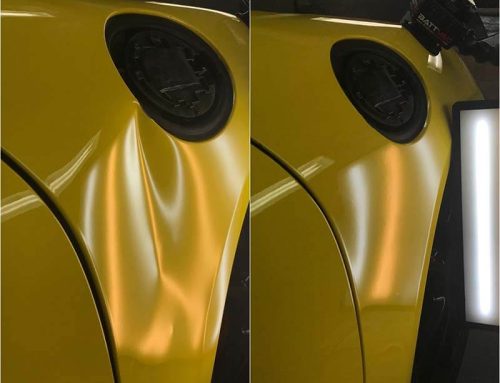
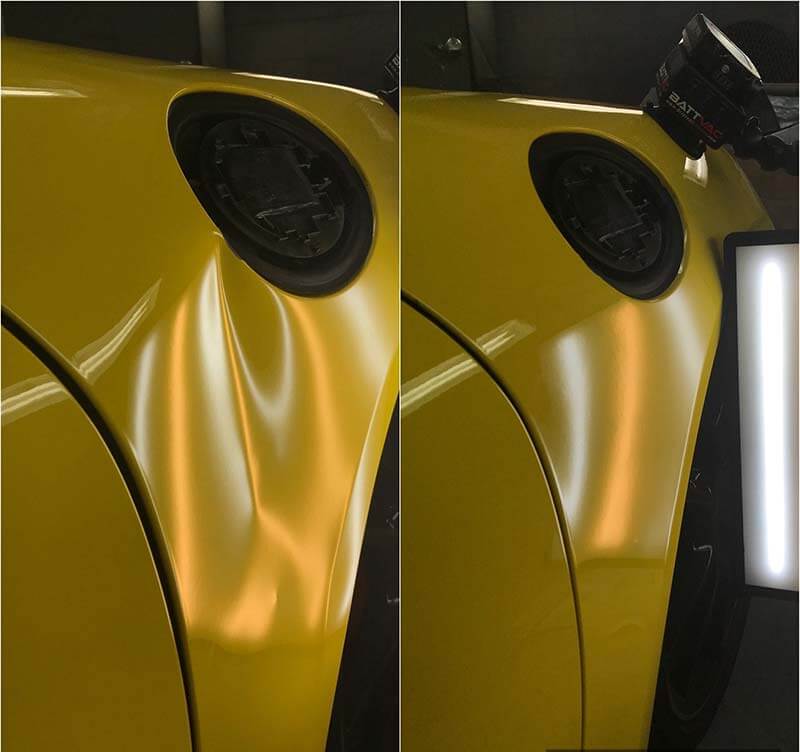
Modern dent repair, especially PDR, is all about respecting the original paint and structure of the vehicle. It’s about working with the metal, not against it. Technicians with an environmental and observational mindset often excel here, because they’re used to thinking about cause and effect.
Instead of just seeing “a dent,” they see the story behind it: where it came from, how hard it hit, and what the panel needs to return to its original form. That deeper understanding helps them use the right tools, apply the right pressure, and deliver results that meet high standards from both drivers and dealerships.
From Field to Finish: Why These Journeys Matter to Drivers
The path from storm chasing to the showroom floor might sound like something out of a documentary, but for many dent repair professionals, it’s real life. Each step along the way adds layers of experience: long days in hail-damaged towns, fast decision-making in cramped temporary bays, and a growing respect for the craft of bringing damaged vehicles back to life.
For drivers, that journey matters more than they might realize. When you hand over your keys after a storm or a small accident, you’re trusting someone not just with your car, but with your peace of mind. Technicians with this kind of background bring:
- A deep familiarity with hail and storm damage
- The ability to handle high-volume, high-pressure situations without cutting corners
- A genuine appreciation for every smooth panel and satisfied customer
They’ve seen the worst of what the weather can do, and now they’re using that knowledge to deliver the best possible repairs in calm, professional, and customer-focused environments.
Put Your Vehicle in the Hands of Hail Experts at Piedmont Dent Repair
If your vehicle has been on the wrong side of a storm, you don’t just want “someone who fixes dents.” You want people who understand exactly how that damage happens and how to reverse it the right way. At Piedmont Dent Repair, that’s who we are. Many of us cut our teeth working hail events and fast-paced field environments, and now we put that experience to work for you in a professional, friendly setting. We specialize in paintless dent repair that protects your factory finish while restoring your vehicle’s clean lines. Whether it’s a single door ding or full hail damage, we treat every repair like it’s our own vehicle. Let us show you what storm-season experience looks like when it’s focused entirely on your car, your time, and your peace of mind.