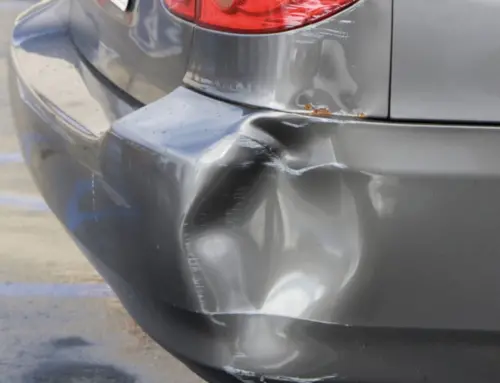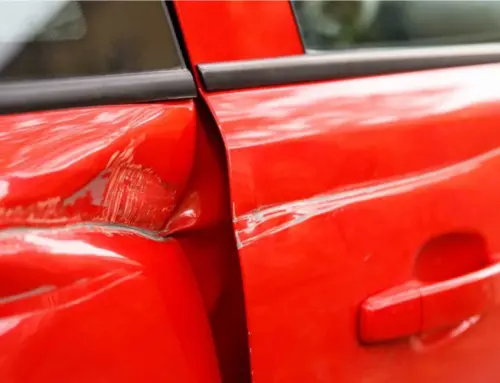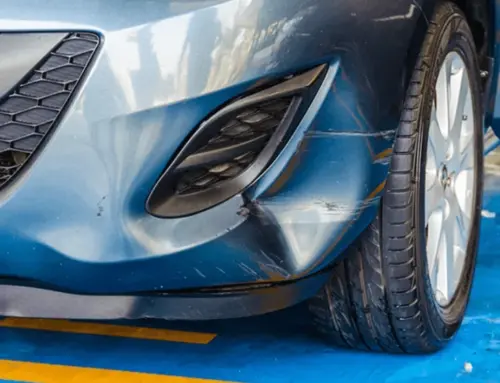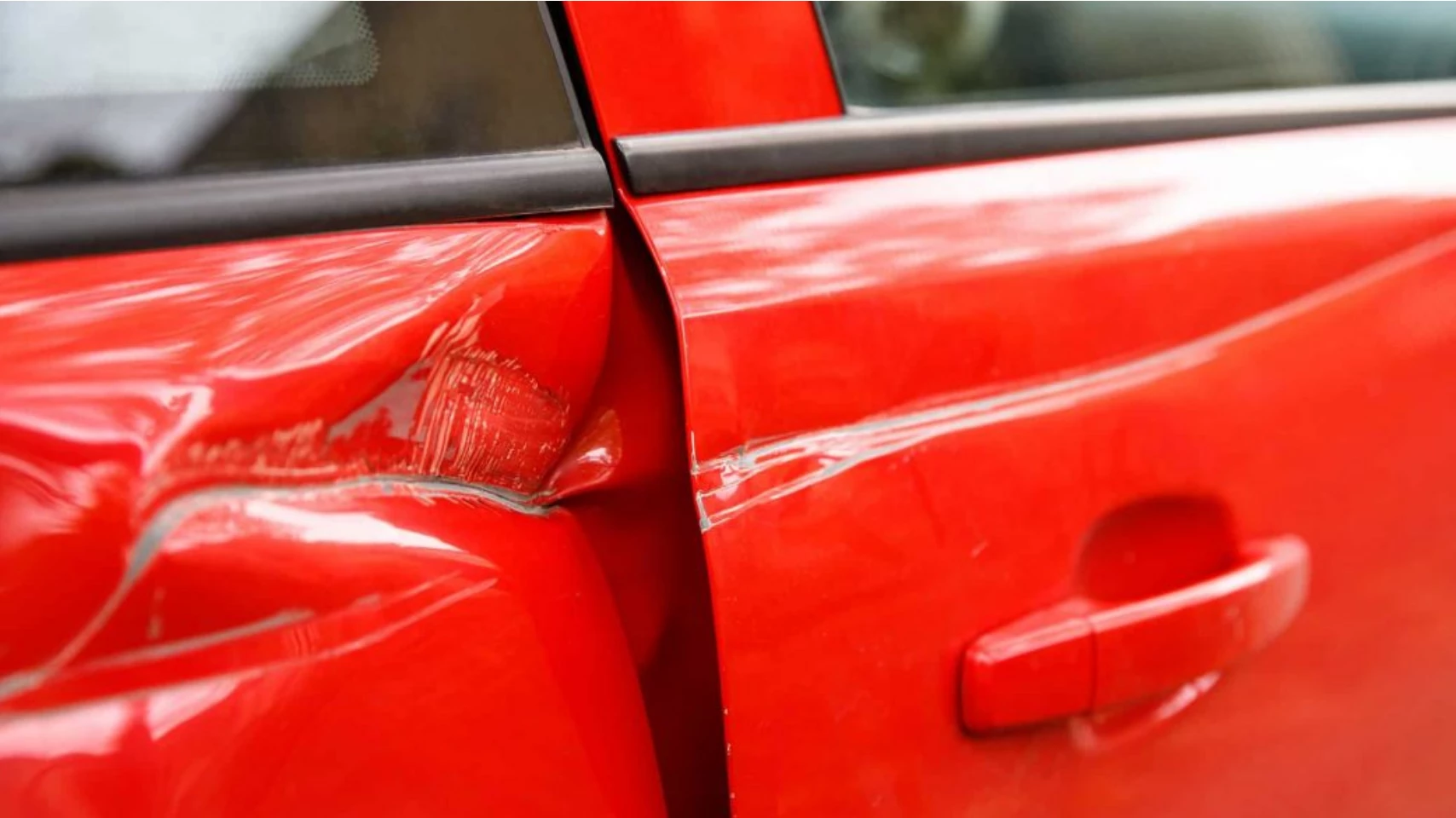
Car owners today are more aware than ever of how much a vehicle’s appearance affects its long-term value. Even a small dent can create frustration, especially when it happens on an otherwise flawless factory finish. Years ago, repainting a damaged panel was the automatic solution. But modern vehicles are built differently now, and so is the paint that covers them.
OEM factory paint has become one of the most advanced protective layers on a car. It’s engineered for durability, uniformity, and long-term resistance to weather and environmental damage. That’s why preserving it is often a priority for anyone who wants their car to look original for as long as possible.
What makes modern factory paint more durable than traditional auto paint jobs?
Factory paint finishes today are far more advanced than what most body shops could replicate decades ago. Modern OEM paint is applied under controlled manufacturing conditions, using high-tech equipment and precise chemical processes that ensure maximum durability.
Unlike older paint systems, factory finishes are created with multiple baked-on layers. These include primer, base coat, and clear coat, all cured at high temperatures in environments free of dust, humidity, and contamination. That controlled process results in a harder, more consistent finish than most aftermarket paint jobs.
Modern factory paint is also designed to withstand:
- Harsh sunlight and UV exposure
- Temperature swings and extreme weather
- Road salt and chemical contaminants
- Minor scratches and surface abrasions
- Long-term oxidation and fading
Another key improvement is the chemistry of clear coats. Today’s clear coats are engineered for stronger resistance and longer-lasting gloss retention. Many are even compatible with ceramic or protective coatings added after purchase.
Traditional repainting, even when done professionally, often cannot match the strength or uniformity of OEM paint. The color may be close, but subtle differences in texture, thickness, and reflection can show over time.
Why is paintless dent removal considered safer for preserving OEM finishes?
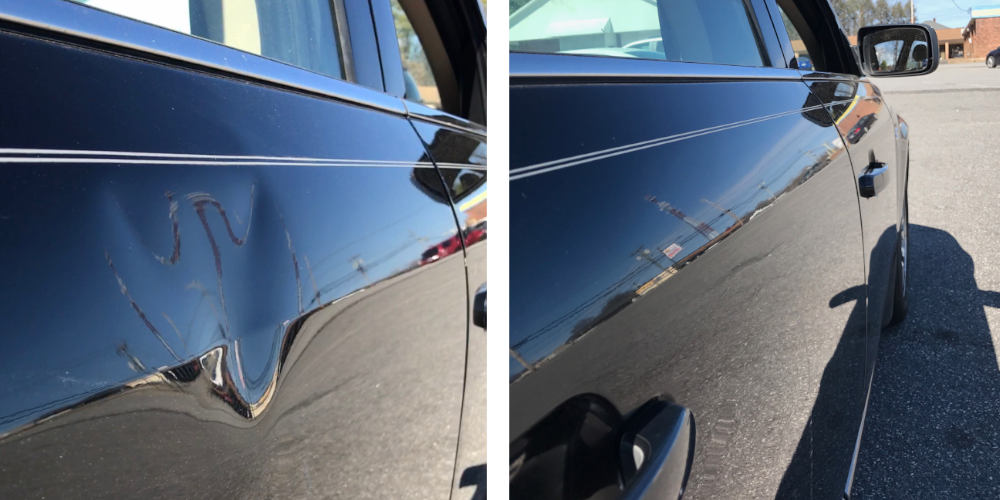
Paintless dent removal is widely recognized as one of the safest dent repair options for vehicles with intact factory paint. The reason is simple: it fixes the damage without disturbing the paint at all.
Unlike traditional body repair, paintless dent removal does not require:
- Sanding down the surface
- Applying body filler
- Repainting the panel
- Blending paint into surrounding areas
- Using chemicals that alter clear coat
Instead, paintless dent removal works by carefully reshaping the metal from behind the panel. Technicians use precision tools and controlled pressure to massage dents outward until the panel returns to its original form.
Because the paint remains untouched, the original OEM finish stays exactly as it was applied at the factory. This matters because repainting introduces risk, including:
- Color mismatch
- Overspray
- Uneven clear coat texture
- Reduced paint durability
- Lower resale appeal
Paintless methods also maintain the integrity of factory corrosion protection. Repainting can sometimes expose metal edges or create weak spots that lead to rust over time if not perfectly sealed.
The safest repair is one that restores the dent without introducing new materials or altering the original finish. That’s why paintless dent removal has become the preferred option for many drivers who want repairs that are clean, invisible, and protective.
How does OEM paint impact a vehicles resale value after dent repair?
OEM paint plays a major role in how a vehicle is valued in the resale market. Buyers today are highly cautious about bodywork, especially repainting, because it often raises questions about accident history or hidden damage.
Even if a repaint was done for a minor dent, it may still appear on:
- Vehicle history reports
- Dealer inspections
- Paint depth measurements
- Trade-in evaluations
Original factory paint signals to buyers that the vehicle has been well-maintained and has not undergone major body alterations. A vehicle with consistent OEM paint across all panels is generally considered more desirable.
When OEM paint is replaced, even on one panel, it can reduce perceived value because:
- Paint blending may not match perfectly
- The repair can appear noticeable under certain lighting
- Buyers may assume a larger collision occurred
- Insurance records may list body repair activity
- Dealerships may lower trade-in offers
Paintless dent removal helps avoid all of these issues because it repairs dents without repainting. That means the vehicle keeps its original finish, which can help preserve resale value.
In many cases, a paintless repair is essentially invisible, leaving no record of refinishing and no cosmetic evidence that work was done.
For drivers who plan to sell or trade in their vehicle in the future, maintaining OEM paint can make a significant difference in both buyer confidence and final selling price.
When should drivers choose paintless dent removal instead of repainting a damaged panel?
While repainting may be necessary in some situations, paintless dent removal is often the better choice when the paint is still intact. Knowing when to choose paintless repair can help drivers avoid unnecessary costs and permanent changes to their vehicle.
Drivers should consider paintless dent removal when:
- The dent is small to moderate in size
- The paint is not cracked, chipped, or broken
- The damage is from hail, door dings, or minor impact
- The panel has not been previously repainted
- The goal is to keep the factory finish untouched
Paintless repair is especially ideal for hail damage, parking lot dents, and body creases that have not compromised the paint surface.
Repainting may be required when:
- The dent has sharp damage with paint cracking
- The panel has deep gouges or exposed metal
- Previous repairs have weakened the paint structure
- Severe collision damage has stretched the metal beyond repair
However, repainting should generally be seen as a last resort, not a first option, because once OEM paint is replaced, it cannot truly be restored to factory standards.
Paintless dent removal offers a modern solution that matches the quality expectations of today’s vehicles. It aligns with the value of factory finishes and provides a repair outcome that looks natural, consistent, and long-lasting.
Choosing paintless repair whenever possible helps drivers protect their investment and keep their car looking original.
Protect Your OEM Finish the Right Way
If your vehicle has a dent but the factory paint is still intact, paintless dent removal is often the smartest and safest solution. It restores the panel without sanding, fillers, or repainting, allowing your OEM finish to stay untouched. Preserving original paint helps maintain long-term durability and protects resale value. Instead of risking mismatched paint or unnecessary refinishing, choose a repair method that keeps your vehicle looking factory-new. Reach out today and let Piedmont Dent Repair provide expert paintless service with clean, trusted results.