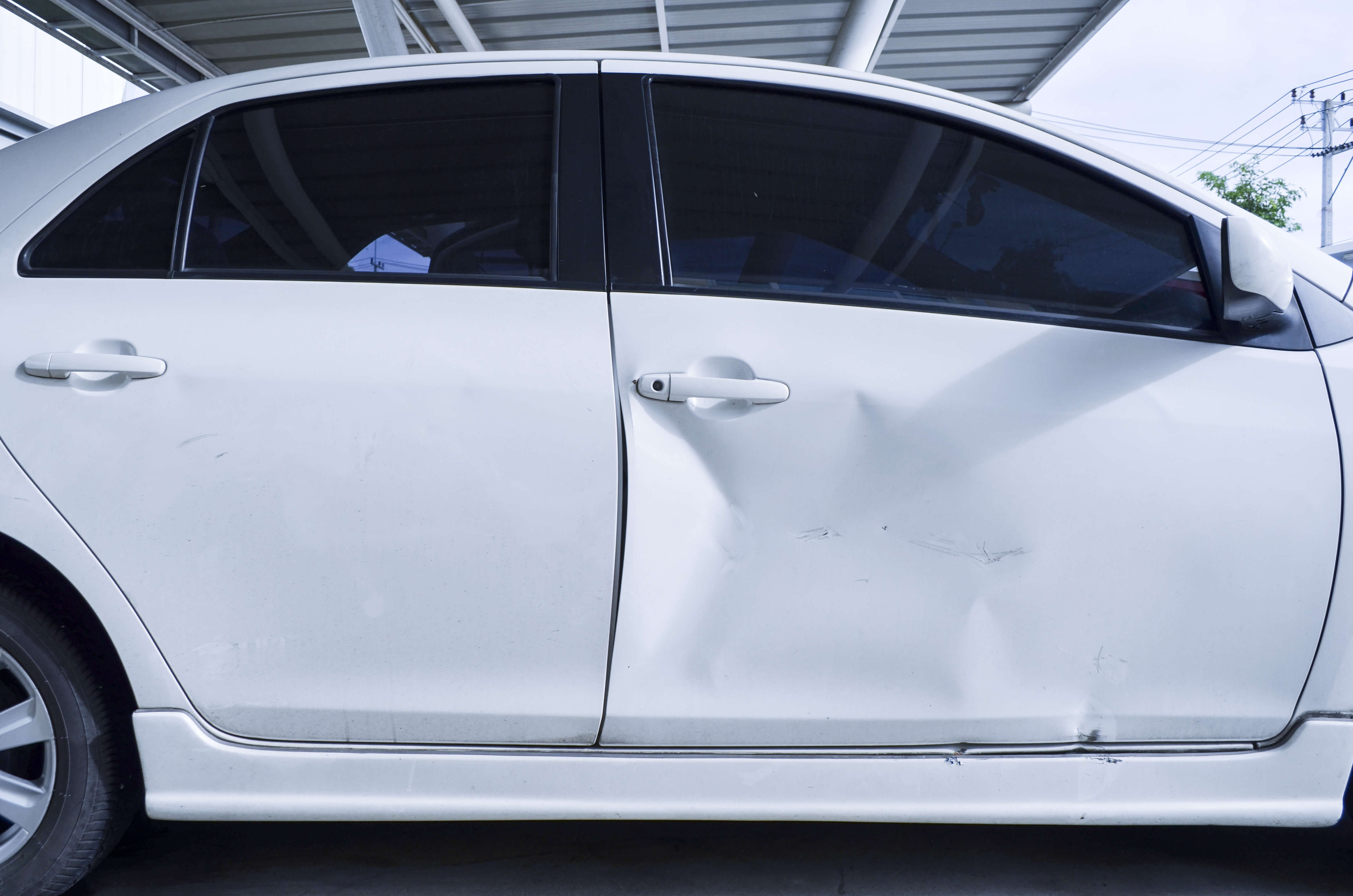
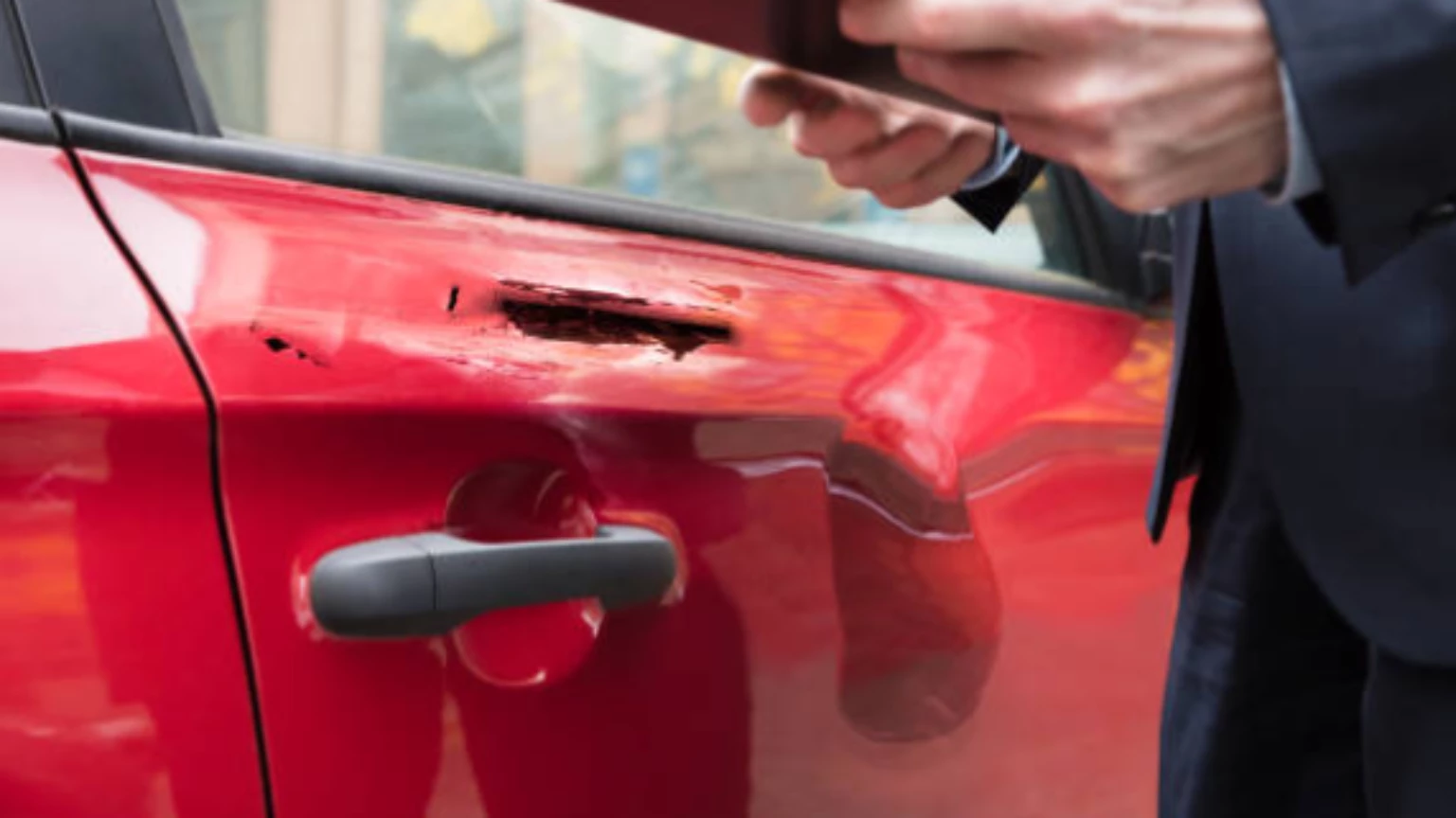
Insurance may cover dent repair services when the damage comes from a covered event, such as hail, vandalism, falling objects, or a collision. Coverage depends on your policy, deductible, claim history, and whether you carry comprehensive or collision coverage for your situation.
A dent may look cosmetic, but insurance decisions are rarely that simple. The repair cost, cause of damage, vehicle value, and deductible all matter.
Before filing a claim, drivers should understand what coverage applies, what they may owe, and whether paying out of pocket may be smarter financially.
Does Auto Insurance Cover Dent Repair?
Auto insurance can cover dent repair, but it depends on how the dent happened. Insurance does not usually cover every small ding just because the vehicle has damage.
If another driver caused the dent, that driver’s liability coverage may apply. If you caused the damage by hitting another car, pole, wall, or object, collision coverage may apply.
If the damage came from hail, vandalism, falling branches, theft, or other non-collision events, comprehensive coverage may apply.
Why the Cause Matters
Insurance companies classify claims by cause. A parking lot dent, storm dent, and accident dent may all look similar, but the coverage path can be different.
A policy with liability only usually pays for damage you cause to others. It does not normally pay to repair your own vehicle.
That is why insurance coverage for dent repair should be confirmed before scheduling repairs. A repair estimate helps, but the policy decides what is covered.
Is Paintless Dent Repair Covered By Comprehensive Insurance?
Paintless dent repair may be covered by comprehensive insurance when the dent comes from a covered event. This often applies to hail damage, falling debris, vandalism, and similar situations.
Comprehensive coverage is designed for damage that does not result from a typical crash. It often covers events outside the driver’s control.
Why Insurers May Approve PDR
Paintless dent repair, often called PDR, can be efficient and less invasive. It reshapes the metal without sanding, filler, primer, or repainting when the paint is still intact.
Insurance companies may approve PDR because it can preserve factory paint and reduce repair costs compared with conventional body repair. Learn more about how paintless dent repair saves time and money.
PDR is not always possible. If the paint is cracked, the metal is stretched, or the panel is severely damaged, traditional repair may be needed.
For drivers seeking dent repair in Charlotte, NC, a professional inspection can confirm whether PDR is suitable before the claim moves forward.
Will Filing a Dent Repair Claim Raise My Insurance Rates?
Filing a dent repair claim may raise insurance rates, but not always. The answer depends on the insurer, state rules, claim type, claim history, and whether the damage was your fault.
Comprehensive claims, such as hail or falling objects, may be treated differently than at-fault collision claims. However, a claim can still affect discounts or future underwriting decisions.
Ask Before Filing
Before opening a claim, ask your insurance company clear questions.
- Which coverage applies?
- What deductible will I owe?
- Could this claim affect my premium?
- Will I lose a claim-free discount?
- Is the damage worth claiming?
- Can I choose the repair provider?
These answers help you make a practical decision. A claim that pays only a small amount after the deductible may not be worth the risk.
Are Hail Damage Repairs Covered By Insurance?
Hail damage is commonly covered if your policy includes comprehensive coverage. If you only carry liability coverage, hail damage to your own vehicle is usually not covered.
Hail can create dozens or hundreds of dents across the roof, hood, trunk, doors, and fenders. It can also crack glass or damage trim.
Why Hail Inspections Matter
Hail damage is easy to underestimate. Under normal light, some dents may be hard to see. A trained technician uses proper lighting to identify affected panels and estimate repair time.
Insurance adjusters also look for old damage. If dents existed before the storm, they may not be included in the new claim.
Prompt documentation helps. Take photos soon after the storm and record the date, location, and conditions.
If the vehicle has severe hail damage, the insurer may compare repair costs with the car’s actual cash value. In some cases, the vehicle may be declared a total loss.
If repairs are needed, hail damage repair services often allow dents to be removed while preserving the original finish.
Should I Pay Out Of Pocket Or File an Insurance Claim for Dents?
You should compare the repair estimate with your deductible before deciding. If the repair cost is below or close to the deductible, paying out of pocket may be the better option.
If the repair cost is much higher than the deductible, filing a claim may make more financial sense.
When Paying Out Of Pocket May Be Smarter
Paying out of pocket can make sense when the dent is minor, the deductible is high, the repair is affordable, or you want to avoid a claim record.
It can also make sense when only one or two small dents need repair and the vehicle is otherwise in good condition.
Filing a claim can make sense for hail damage, multi-panel dents, accident damage, vandalism, or repairs that would create a large expense.
The best decision starts with an estimate. Without one, you are guessing. If you’re unsure about pricing, review the factors that affect dent repair costs before making a decision.
What Is the Deductible for Dent Repair Claims?
The deductible is the amount you pay before insurance contributes to the covered repair. Deductibles vary by policy and may be different for comprehensive and collision claims.
Common deductibles may be $250, $500, $1,000, or more. The amount you selected when buying coverage affects how much you pay now.
How Deductibles Work
If your approved repair cost is $2,000 and your deductible is $500, insurance may pay $1,500. If the repair cost is $450 and your deductible is $500, insurance may not pay anything.
This is why a deductible changes the claim decision. Covered damage does not always mean a claim is useful.
Drivers should also ask whether glass damage, rental coverage, or related repairs have separate terms. Policies are not all the same.
How Do I Start an Insurance Claim for Dent Repair?
Start by documenting the dent damage. Take clear photos from different angles and include close-up and wider shots. Write down when and where the damage happened.
Then review your policy or call your insurance company. Ask which coverage applies and whether a deductible will be owed.
Steps to Follow
A typical dent claim may include these steps:
- Take photos before repairs
- Note the date and cause
- Contact your insurer
- Get a claim number
- Schedule an adjuster inspection
- Request a repair estimate
- Confirm the deductible
- Choose a qualified repair provider
- Keep all documents
Do not begin repairs before your insurer approves the process unless they tell you it is allowed. Starting too early can create claim problems.
If the paint is cracked or metal is exposed, do not delay too long. Waiting can lead to rust or additional repair issues. If you’re comparing repair methods, see when to go to a body shop and when to see a dent repair company.
Key Takeaways
Insurance may cover dent repair services when the damage comes from a covered event, but coverage depends on your policy, deductible, and claim details.
Comprehensive insurance often applies to hail, vandalism, falling objects, and storm damage, while collision coverage may apply after accidents.
Filing a claim is not always best if repair costs are close to your deductible. Get a written estimate, ask about possible rate effects, and compare insurance benefits with out-of-pocket repair before approving work or opening a claim.
Get Clear Repair Guidance Before Filing a Claim
Insurance decisions can feel confusing when you are staring at dents and wondering what to do first. At Piedmont Dent Repair, I help drivers understand the likely repair method, whether paintless dent repair may apply, and whether an estimate supports filing a claim.
My goal is not to push every dent into insurance. It is to help you make a practical decision based on the damage, deductible, repair cost, and expected result.
Piedmont Dent Repair can inspect the vehicle and explain your options clearly. Contact us to schedule an inspection or request an estimate before filing your insurance claim.