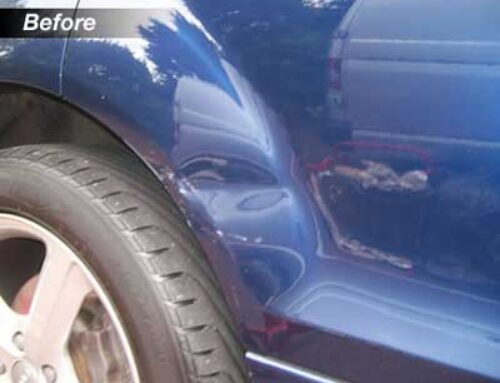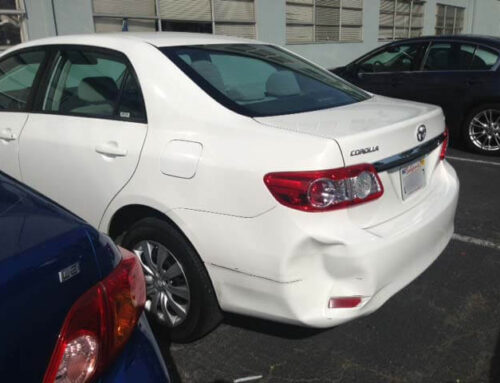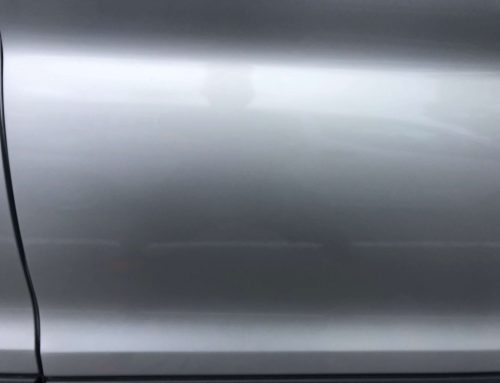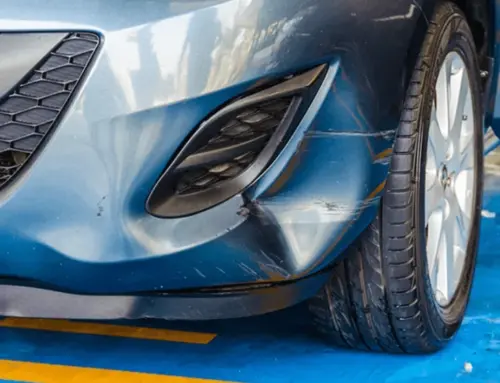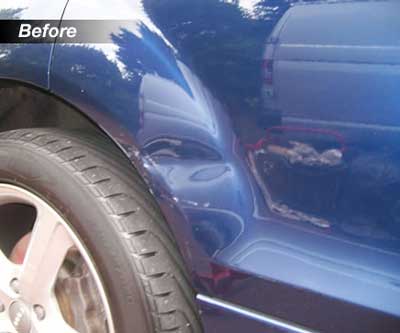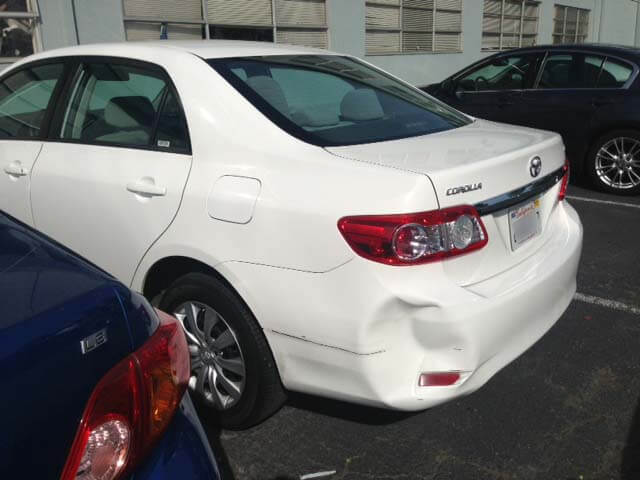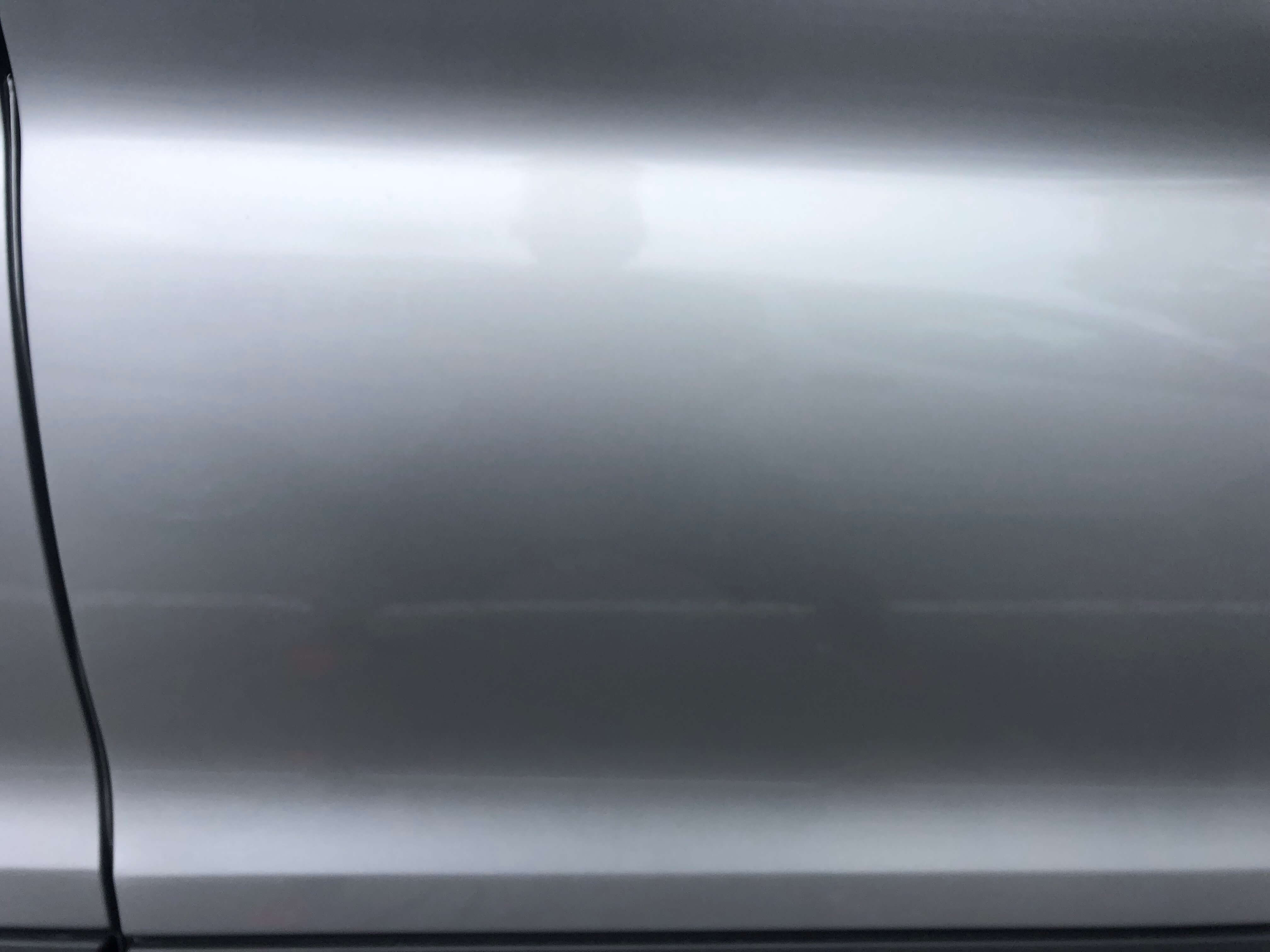
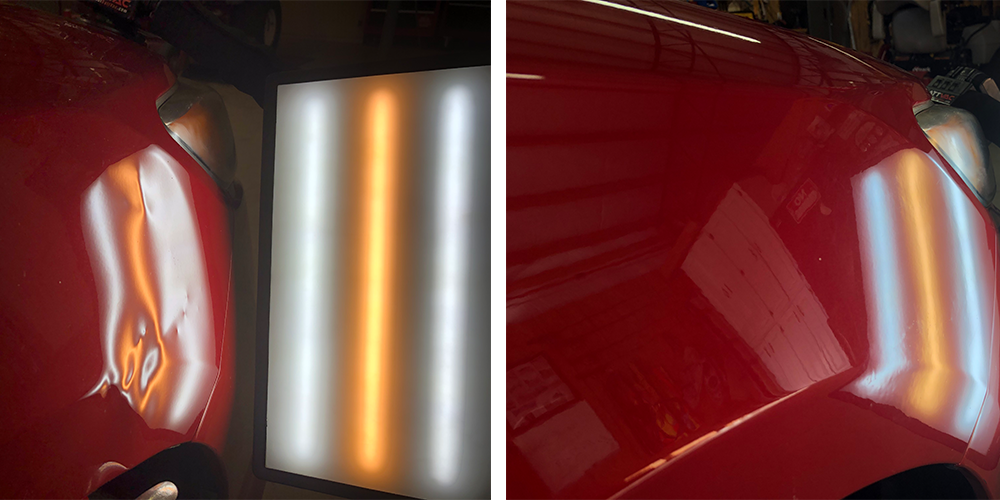
Your vehicle is a strong candidate for paintless dent repair when the paint is intact, the metal is not severely stretched, and a technician can reach the damaged area safely. Rounded dents, minor creases, door dings, and some larger impressions often qualify.
Other positive signs include limited edge damage, no exposed metal, and sound previous repairs. The main paintless dent repair benefits are factory paint preservation, shorter repair time, less material use, and a less invasive process when the damage qualifies. They support controlled reshaping without unnecessary refinishing or filler.
How do I know if my dent qualifies for PDR?
A dent may qualify for PDR when the finish remains unbroken and the panel can be reshaped without conventional body filler or refinishing. Technicians assess the complete damaged area.
PDR removes dents without disturbing the existing finish by applying controlled pressure behind the panel or using exterior pulling methods when appropriate.
Five encouraging signs
Your vehicle may be a good candidate when:
- The paint has no cracks, chips, or exposed metal.
- The dent has a smooth or rounded shape.
- The panel is accessible from behind or suitable for controlled pulling.
- The metal is not sharply folded, torn, or excessively stretched.
- Previous repairs have not weakened the finish or changed the panel significantly.
Dent location also matters. Damage near reinforced edges, braces, seams, or tightly enclosed sections can be difficult to reach.
A technician should inspect reflections across the entire panel. The surrounding crown and body line may also require correction.
Can paintless dent repair fix creases and door dings?
PDR can repair many door dings and selected creases. Door dings often qualify when the factory paint remains intact.
Creases require closer evaluation. A soft, shallow crease on an open panel may respond well. A sharp fold with damaged paint or heavily stretched metal may require conventional repair.
Shape matters more than the label
Two dents described as door dings may need different methods. One may be round and accessible. Another may sit directly on a body line, beside an edge, or behind a structural brace.
Technicians may need to remove trim, liners, lamps, or interior panels to reach the backside safely. When access is limited, glue-assisted pulling may be considered if the paint condition supports it. These modern PDR techniques allow technicians to adapt the repair method to the panel and dent location.
The result depends on depth, location, metal movement, and finish condition. An inspection should establish realistic expectations before work begins.
Does the paint need to be intact for PDR?
Intact paint is one of the strongest signs that PDR may be appropriate. The process is designed to reshape the panel while preserving the existing coating.
Minor surface marks do not always disqualify a dent. However, cracked, lifted, flaking, or missing paint changes the repair plan because reshaping can worsen the damage or leave metal unprotected.
Previous refinishing requires additional caution
Factory paint usually provides the most predictable foundation. A previously repainted panel may have differences in adhesion, thickness, preparation, or flexibility.
Exterior pulling can place stress on the coating. A technician may recommend refinishing when paint separation is likely.
Tell the shop about known collision work, repainting, filler, rust repair, or previous dent removal. Hidden repair materials can affect tool movement and final quality.
The goal is to preserve the finish only when PDR can produce a durable result. Preserving factory finishes is one of the primary reasons PDR is considered when the paint remains stable.
Can older vehicles benefit from paintless dent repair?
Yes. Vehicle age alone does not determine eligibility. Older vehicles can benefit when the paint remains stable, the panel is structurally sound, and corrosion or previous repairs do not interfere with correction.
PDR can preserve the original finish on a well-maintained vehicle. It may also improve appearance before sale without introducing unnecessary filler or repainting.
Condition matters more than model year
Older paint may be less flexible because of sun exposure, oxidation, or earlier refinishing. Panels can also contain corrosion, old filler, or hidden collision damage.
A technician should inspect:
- Paint adhesion and cracking
- Rust around edges or chips
- Previous repainting
- Existing body filler
- Panel stiffness
- Trim condition
- Access points
- Replacement panel history
Careful assessment protects fragile finishes. Heat may be managed during some repairs, but it cannot restore failing paint or reverse corrosion.
Older vehicles with sound original panels can still produce excellent results when the damage, materials, and access are suitable.
Are large dents eligible for PDR?
Some large dents qualify for PDR. Diameter alone does not decide repairability. A wide, shallow dent with flexible paint may be easier to restore than a small, sharp impact with a deep center.
Large dents affect more metal. Technicians must evaluate stretching, crowns, body lines, edges, and tension around the impact.
Large repairs require controlled correction
The panel may need gradual movement from multiple directions. Rushing can create high spots, waves, cracked paint, or additional stretching.
Large dents are more promising when:
- The impact is broad rather than sharp
- The paint remains securely bonded
- The panel has not folded at an edge
- Tool access is available
- The metal is not torn
- Structural components are unaffected
- Previous filler is absent
The shop should explain the expected finish before starting. Some large dents can be improved substantially but may not return to a flawless appearance through PDR alone.
Which dents cannot be repaired with PDR?
PDR is usually unsuitable when the finish is badly damaged, the metal is torn, structural areas are compromised, or previous bodywork prevents controlled correction.
A body shop may be necessary when repairs require welding, filler, refinishing, panel replacement, or corrosion treatment. Understanding when to go to a body shop and when to see a dent repair company can help clarify which repair method fits the damage.
Conditions that can rule out PDR
Examples include:
- Deep punctures
- Split or torn metal
- Severe sharp folds
- Extensive paint cracking
- Rust inside the damaged area
- Major edge deformation
- Crushed structural sections
- Heavy collision damage
- Large amounts of existing filler
- Panels with unsafe access
Not every difficult dent is unrepairable. Advanced technicians may repair complex body lines and severe-looking impressions when the finish and metal remain workable.
The decision comes from inspection, lighting, and knowledge of panel construction. Online photographs may help with initial screening, but they may hide paint fractures, crowns, depth, and access barriers.
Can aluminum panels be repaired with PDR?
Yes. Aluminum panels can often be repaired with PDR, but they require specialized knowledge, tools, and metal control. Aluminum responds differently from steel during correction.
I-CAR provides dedicated aluminum panel dent-removal training, reflecting the distinct techniques needed for this material.
Technician experience is especially important
Aluminum may require different pressure, tool selection, heat management, and repair sequencing. Overworking the area can complicate correction.
Ask whether the technician knows the panel material and vehicle design. Hoods, doors, liftgates, and body panels may use different alloys or construction methods.
The technician should also consider corrosion prevention when nearby parts or coatings are disturbed. Proper tools and clean work practices reduce the risk of cross-contamination between steel and aluminum repair areas.
For paintless dent repair in Charlotte, NC, request an in-person inspection that confirms the panel material, paint condition, access requirements, realistic outcome, estimated time, and written warranty.
Key Takeaways
A vehicle is a strong PDR candidate when its paint is intact, the dent is smooth, the metal is not severely stretched, and technicians have safe access. Door dings, shallow creases, large rounded dents, older panels, and aluminum components may qualify after inspection.
Cracked paint, torn metal, corrosion, heavy filler, structural damage, and sharp folds often require conventional repair. Vehicle age and dent diameter do not decide eligibility alone.
A professional evaluation should consider material, location, depth, previous bodywork, finish condition, access, expectations, and long-term repair quality for lasting value.
Let the Damage Determine the Right Repair
Piedmont Dent Repair can inspect dent depth, paint condition, panel material, body lines, previous repairs, and tool access before recommending repair.
An evaluation can confirm whether PDR can preserve the factory finish or whether conventional bodywork is more appropriate. Bring insurance information, damage photographs, and any known repair history so the team can explain the expected result, timing, cost, and next steps clearly.