
Paintless dent repair usually costs less than traditional bodywork when a dent has intact paint, limited metal stretching, and safe tool access. Body shop dent repairs become necessary when damage includes cracked paint, deep creases, torn metal, corrosion, structural concerns, or parts that cannot be restored through controlled metal movement.
The cheapest estimate is not always the best choice. Repair quality, factory paint preservation, insurance terms, downtime, warranties, and hidden damage affect long-term cost.
A proper inspection should determine which method restores the vehicle without unnecessary repair steps or expense.
Is paintless dent repair cheaper than body shop repair?
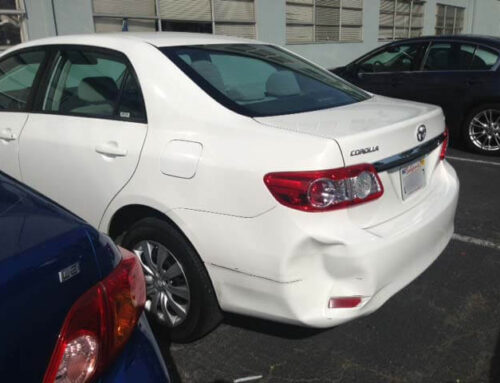
PDR is commonly less expensive because it removes several labor and material steps. Technicians reshape the original panel without sanding, applying filler, spraying primer, matching color, adding clear coat, or blending adjacent panels.
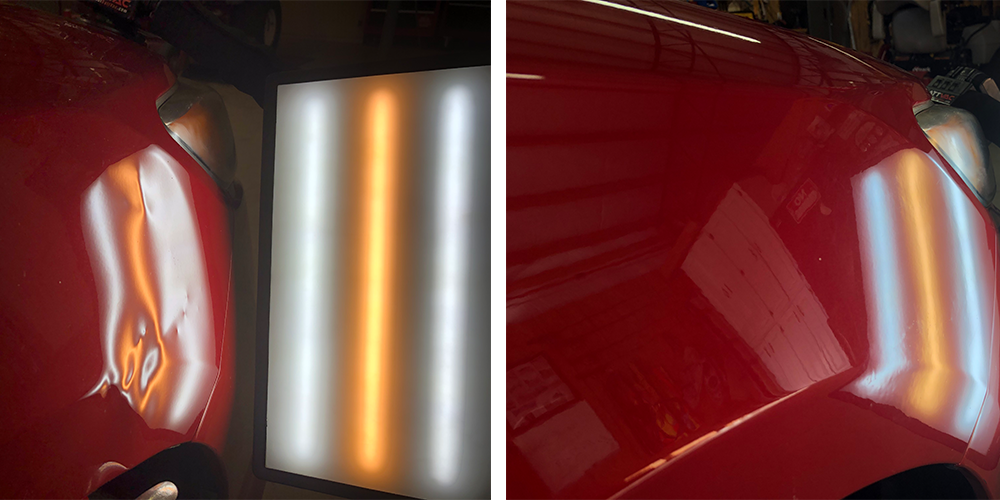
The savings can be substantial for door dings, shallow creases, and qualifying hail dents. The vehicle may also spend less time in the shop, reducing rental expenses and inconvenience. This is one reason paintless dent repair can save time and money for vehicle owners.
Lower cost depends on repairability
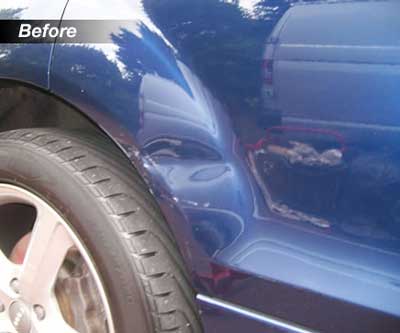
PDR is not cheaper for every dent. Price rises when damage is large, sharp, on a body line, blocked by braces, or formed in aluminum. Trim, headlights, liners, or other parts may require removal.
A body shop may offer better value when paint is already broken or the panel needs structural correction. Paying for PDR first, then refinishing the same area, can duplicate labor.
Compare written estimates that describe the full repair rather than only the initial price. Understanding the difference between conventional repair and paintless dent repair can make those estimates easier to evaluate.
How much does paintless dent repair cost?
PDR prices vary according to dent size, depth, location, panel material, access, vehicle design, and the number of damaged areas. A small accessible ding may cost under a few hundred dollars. Extensive hail damage can cost several thousand dollars because technicians must restore many dents across several panels.
Current pricing guides commonly place small repairs near $60 to $150, while larger dents may reach several hundred dollars. Hail repairs are usually estimated by dent count, size, panel, and access. These variables are also discussed in more detail when reviewing paintless dent repair cost factors.
Request an inspection, not a photograph-only promise
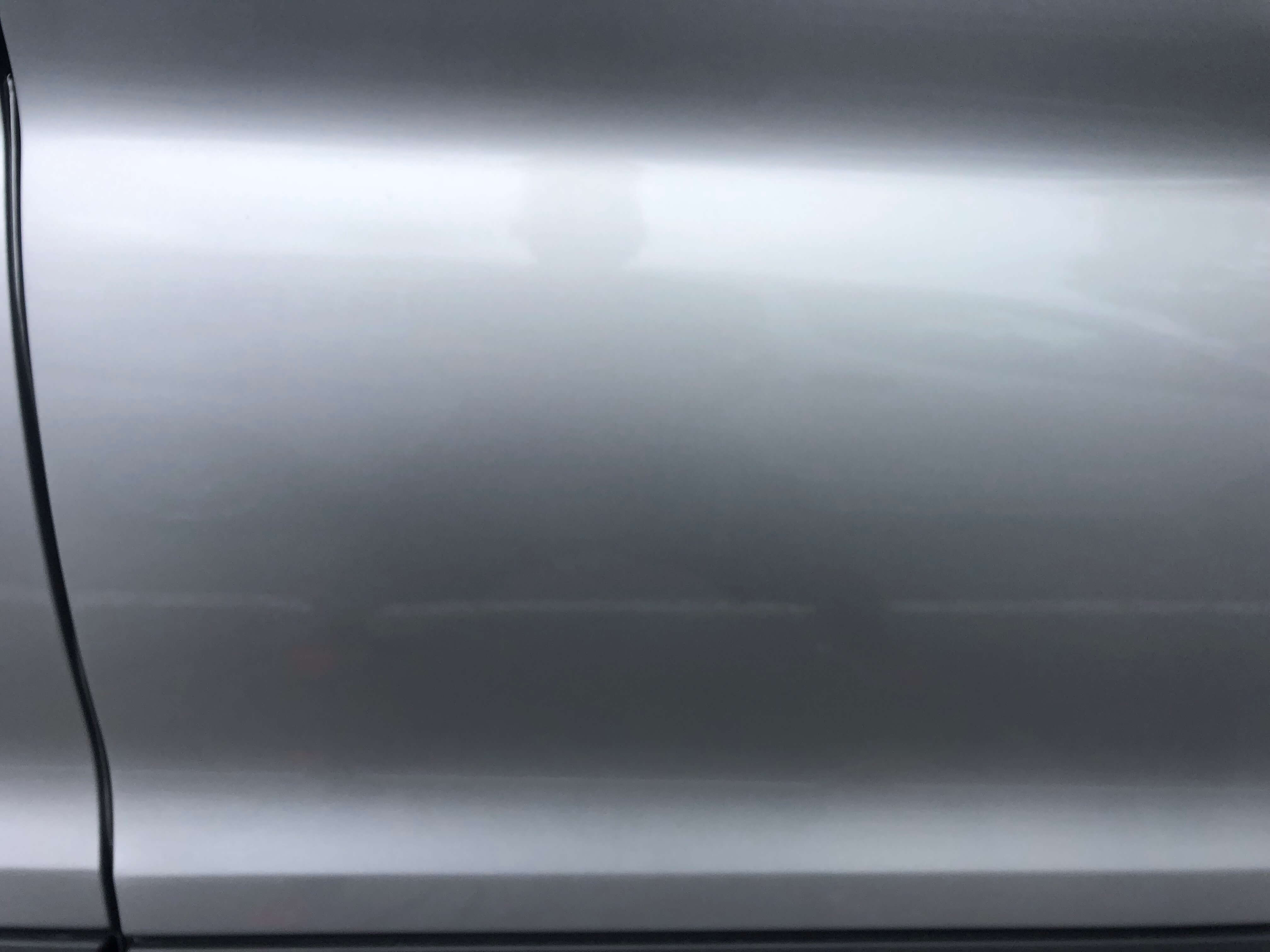
Photographs can help with scheduling, but reflections, dirt, and camera angles can hide shallow dents. An in-person estimate should evaluate:
- Dent diameter and depth
- Paint condition
- Steel or aluminum construction
- Body-line involvement
- Edge proximity
- Rear-panel access
- Required trim removal
- Previous repairs
- Total dent count
- Expected finish quality
Ask whether the quote includes taxes, disassembly, reassembly, insurance supplements, cleanup, and warranty coverage. Vehicle owners can also review how dent repair estimates are prepared before approving work.
When is a body shop repair necessary?
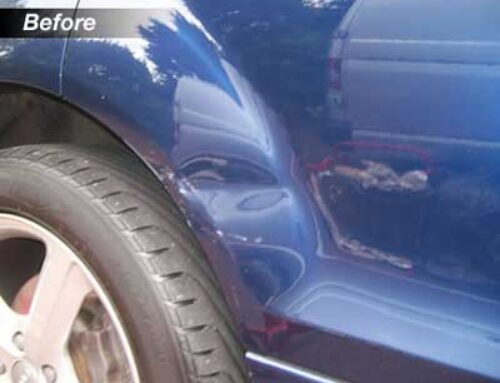
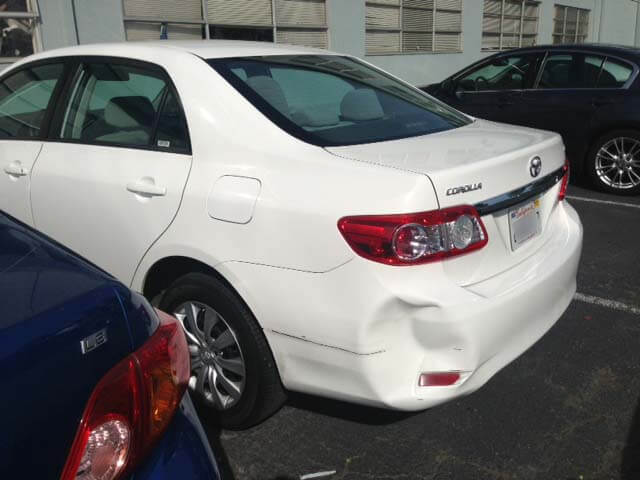
Traditional body repair is necessary when PDR cannot return the panel and finish to an acceptable condition. Common examples include cracked or missing paint, torn metal, severe stretching, collision damage, rust, damaged edges, and compromised structural areas.
A body shop can straighten metal, weld damaged sections, apply filler, replace panels, and refinish surfaces. It can also address broken lamps, moldings, brackets, sensors, and collision damage.
For drivers deciding between repair methods, the comparison of when to go to a body shop and when to see a dent repair company provides additional context.
Some vehicles need a combined repair plan
A hail-damaged vehicle may have many PDR-suitable dents plus one panel with chipped paint. Technicians can use PDR where suitable while conventional repair handles the finish.
This combined approach may preserve more factory paint and reduce refinishing costs.
The estimate should explain why each panel requires a method. Be cautious when a provider recommends one technique for every area without discussing paint condition, access, material, or structure.
Does PDR save money on insurance claims?
PDR can lower the overall claim cost when it restores covered damage without conventional refinishing or panel replacement. Lower repair cost may also help prevent an older vehicle from approaching an insurer’s total-loss threshold.
Insurance savings do not always reduce immediate payment. The deductible still applies. Whether damage falls under comprehensive or collision coverage depends on its cause and the purchased policy. More detail is available on insurance coverage for car dents.
The approved scope matters
An initial insurer estimate may miss dents, trim operations, or access requirements. The shop can document additional damage and submit a supplement.
Before authorizing work, ask:
- Which coverage applies?
- What deductible is owed?
- Is an inspection required?
- Can the owner select the repair shop?
- How are supplements handled?
- Are rental expenses covered?
- Will unrelated damage be excluded?
- What documentation must be retained?
PDR should be selected because it properly repairs the vehicle, not merely because it reduces the claim amount. The impact of paintless dent removal on a car insurance claim can also help explain how repair method and claim handling interact.
Are body shop repairs more expensive because of painting costs?
Painting contributes significantly to conventional repair cost, but it is not the only reason bodywork costs more. Traditional repair may require disassembly, metal straightening, filler application, sanding, masking, primer, color preparation, spraying, curing, polishing, and reassembly.
Modern paint matching may require blending adjacent panels. Materials, booth operation, technician labor, and quality checks increase the total.
Refinishing adds time as well as materials
Paintwork may extend the repair schedule because each preparation and coating stage must be completed correctly. Replacement parts can add ordering and fitting time.
PDR avoids these steps when the factory finish remains undamaged. That efficiency is one reason it is frequently selected for suitable dents. Preserving an OEM finish is also a major reason paintless dent removal can protect modern factory paint.
However, repainting is worthwhile when the finish cannot be preserved. Choosing PDR for cracked paint may leave exposed metal vulnerable to corrosion and create a larger future repair.
Which repair method offers the best long-term value?
The best long-term value comes from the least invasive method that fully restores the damage. PDR often provides excellent value because it preserves original panels and factory paint while avoiding filler and color-matching concerns.
Factory paint preservation can be especially important on newer, leased, collectible, or high-value vehicles. It may also simplify future resale discussions because the repaired panel was not refinished. The connection between repairs and vehicle resale value is another factor worth considering.
Complete repair matters more than method preference
A body shop offers better long-term value when paint, panel integrity, or structural condition requires conventional work. A properly completed refinishing repair is preferable to incomplete PDR.
Evaluate value through:
- Repair completeness
- Expected appearance
- Warranty coverage
- Factory paint preservation
- Corrosion protection
- Vehicle downtime
- Insurance implications
- Resale documentation
- Risk of repeated work
Keep estimates, invoices, photographs, and insurance records. Documentation helps explain the damage and repair when selling or trading the vehicle.
Can PDR prevent additional repair expenses later?
PDR can prevent unnecessary refinishing expenses when eligible damage is repaired before paint begins cracking or corrosion develops. Restoring dents may also improve appearance before lease return, sale, or trade-in.
The process avoids paint overspray, color mismatch, filler shrinkage, and blending work because the original finish remains in place. PDR also produces less repair material waste than conventional refinishing.
Early inspection can reveal hidden concerns
A dent that appears simple may involve a sharp center, damaged clear coat, broken trim, or restricted access. Attempting a do-it-yourself repair can stretch metal, crack paint, or create high spots that increase professional repair cost. Drivers considering home methods can review DIY dent removal methods and professional repair options before attempting a repair.
Professional inspection helps prevent:
- Incorrect pulling methods
- Paint damage
- Tool marks
- Excessive metal stretching
- Broken interior clips
- Damaged wiring or sensors
- Incomplete hail estimates
- Repeated repairs
For paintless dent repair in Charlotte, NC, schedule an evaluation before choosing solely from photographs or price. A technician should explain whether PDR, bodywork, or a combined plan provides the most economical complete repair.
Key Takeaways
Paintless dent repair generally saves money when paint remains intact and technicians can reshape the panel safely. It avoids filler, sanding, painting, curing, and many material costs associated with body shop repairs.
Conventional repair remains necessary for cracked paint, torn metal, severe stretching, corrosion, structural damage, or replacement parts. Compare complete written scopes rather than totals alone. Consider insurance deductibles, supplements, downtime, warranties, factory paint, and resale documentation.
The best value comes from choosing the least invasive method that fully restores the vehicle and prevents repeated work or future damage.
Choose the Most Efficient Repair for Your Vehicle
Piedmont Dent Repair can inspect dent depth, paint condition, panel material, body lines, and tool access before recommending a repair method.
An evaluation can show which areas qualify for PDR and which require conventional work. Bring insurance information, storm photographs, and previous repair records so the team can explain pricing, timing, documentation, warranties, and practical next steps without adding unnecessary procedures.