Not every dent requires sanding, filler, or repainting. In fact, many vehicles qualify for paintless techniques that restore the panel while keeping the original finish intact. The key is knowing whether your car is a strong car dent repair candidate based on factors like paint condition, dent depth, and location. When the right conditions are met, modern dent removal can be quick, cost-effective, and nearly invisible.
If you are unsure whether your vehicle qualifies, this guide breaks down exactly what to look for before choosing a repair method.
How can I tell if my dent can be fixed with PDR?
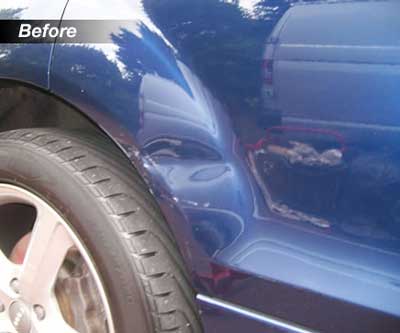
One of the easiest ways to determine if your dent qualifies for paintless repair is by checking the paint condition. If the paint is still intact with no cracking, chipping, or peeling, your chances are high that PDR can be used.
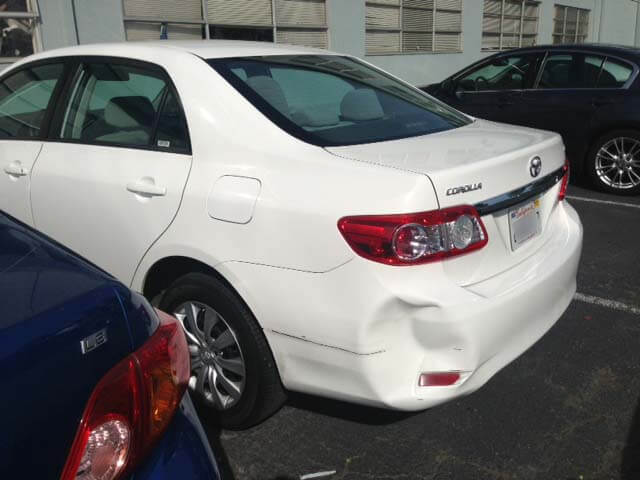
The size and shape of the dent also matter. Shallow dents with smooth edges are typically the best candidates because the metal can be gently reshaped without stress. Even larger dents can sometimes qualify if the damage is not too deep.
- Paint must be intact with no surface damage
- Dents should be shallow rather than sharp or creased
- Smooth curves are easier to repair than pointed impacts
- Panels should be accessible from behind
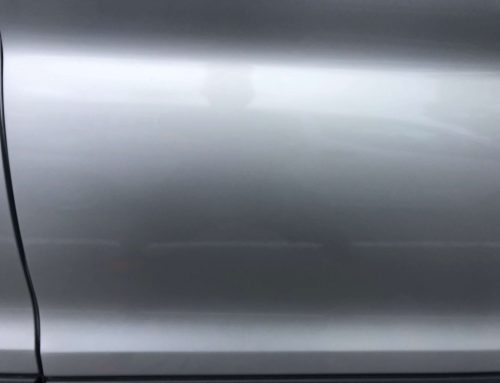
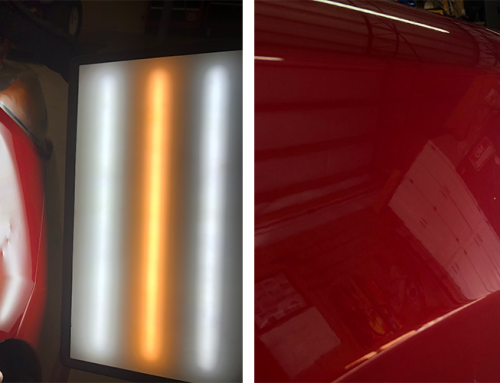
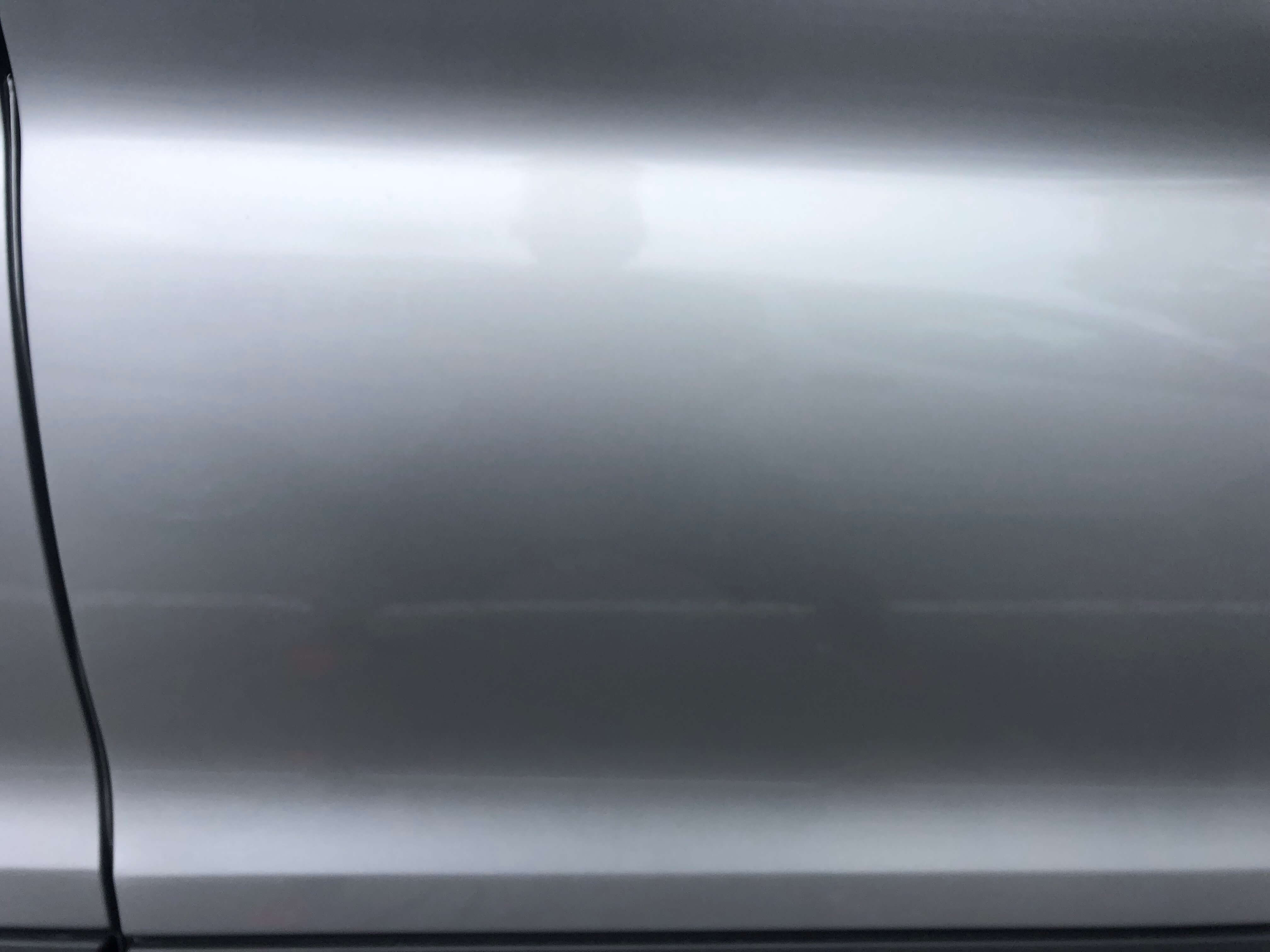
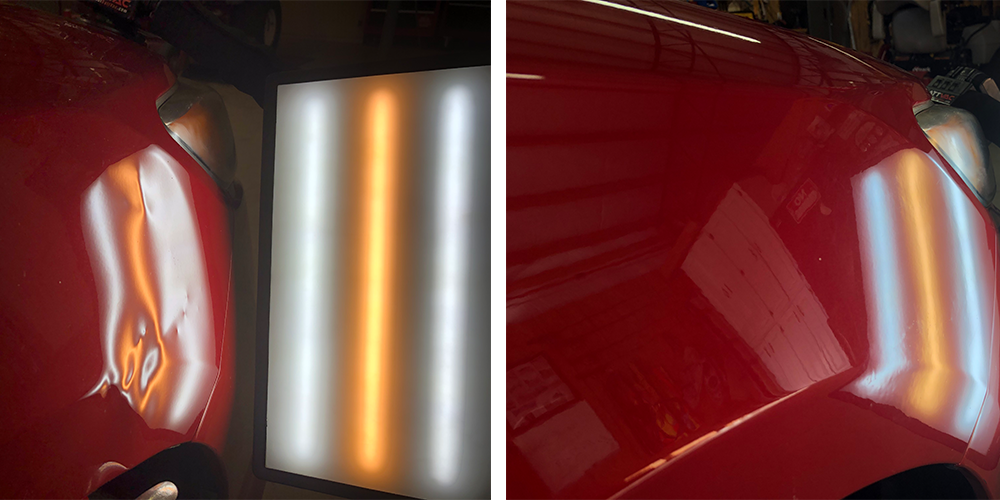
Lighting can help you evaluate the dent. If you see smooth distortions instead of jagged lines, that is usually a positive sign. Still, what looks simple on the surface may involve hidden challenges.
For drivers exploring dent removal Charlotte, NC, a quick visual check can help, but final confirmation always comes from a professional assessment.
What factors affect dent repair eligibility?
Several factors determine whether a dent can be repaired without repainting. These go beyond just how the dent looks and involve how the metal and paint reacted during impact.
Depth is one of the most important considerations. The deeper the dent, the more likely the metal has stretched beyond its original shape. Stretched metal can be difficult to restore completely with PDR alone.
Paint flexibility is another key factor. Modern automotive paint is designed to flex slightly, which allows it to survive minor dents. If the paint has held up well, repair becomes much easier.
- Depth of the dent and degree of metal stretching
- Paint condition and flexibility
- Size of the damaged area
- Type of metal used in the panel
Temperature and age can also play a role. Older paint may be more brittle, increasing the risk of cracking during repair. Aluminum panels may behave differently than steel, requiring specialized tools and materials and techniques.
Understanding these details helps determine whether your vehicle is a strong car dent repair candidate. Each dent is unique, so multiple factors must be considered together rather than individually.
Does the dent location matter for paintless repair?
Yes, the location of a dent plays a major role in whether paintless repair is possible. Some areas of a vehicle are easier to access and repair than others, which directly affects the success of the process.
Flat and open sections like doors, hoods, and fenders are typically the easiest to repair. These areas allow technicians to reach behind the panel and apply controlled pressure to reshape the metal.
Edges and reinforced areas are more challenging. These parts of the car are designed for strength, which means the metal is less flexible and harder to manipulate.
- Flat panels are ideal for paintless repair
- Edges and seams limit tool access
- Reinforced areas are more rigid and harder to adjust
- Tight spaces may restrict repair techniques
Dents near trim, braces, or structural components may require additional steps or may not qualify for PDR at all. Accessibility is just as important as the dent itself.
For those considering dent removal, understanding location helps set realistic expectations. Even a small dent may be difficult to repair if it sits in a complex or reinforced area of the vehicle.
Can older or previously repaired panels be fixed with PDR?
Older vehicles and previously repaired panels can sometimes be fixed with paintless dent repair, but they come with additional challenges. The condition of the paint and previous work plays a major role in determining eligibility.
Older paint tends to be less flexible than newer finishes. Over time, exposure to sunlight and weather can make paint brittle, increasing the risk of cracking during repair. This makes PDR more delicate on older vehicles.
Panels that have been repaired before may also contain filler or repainting. These materials do not respond the same way as original metal and paint, which can limit how much the dent can be corrected.
- Older paint may crack more easily
- Repaired panels may contain filler
- Repainted surfaces are less predictable
- Original factory finish is easier to work with
Despite these challenges, experienced technicians can often still improve the appearance significantly. In some cases, PDR is used to reduce the dent before finishing with traditional methods.
If you are unsure whether your vehicle qualifies, especially for dent removal Charlotte, NC, a professional evaluation is the best way to determine what is possible without risking further damage.
Should I get a professional inspection before choosing a repair method?
Yes, getting a professional inspection is one of the most important steps before deciding on a repair method. While basic visual checks can give you an idea, only a trained technician can fully assess the dent and recommend the best approach.
Professionals use specialized lighting and tools to evaluate the depth, shape, and location of the dent. They can also identify hidden factors, such as metal stretching or internal obstructions, that are not visible to the untrained eye.
- Accurate assessment of dent size and depth
- Identification of paint condition and flexibility
- Evaluation of panel access and structure
- Recommendation of the most effective repair method
An inspection helps you avoid unnecessary costs. Choosing the wrong repair method can lead to incomplete results or additional work later. A proper evaluation ensures you get the best outcome from the start.
For anyone considering dent removal, a professional opinion provides clarity and confidence. It helps confirm whether your vehicle is truly a good car dent repair candidate.
Final Thoughts
Determining whether your car is suitable for paintless dent repair depends on several factors, including paint condition, dent depth, location, and panel history. When these conditions align, PDR offers a fast and effective way to restore your vehicle without repainting. However, every dent is unique, and professional evaluation is the best way to ensure the right approach is taken. By understanding these key factors, you can make an informed decision and protect both your vehicle’s appearance and value.
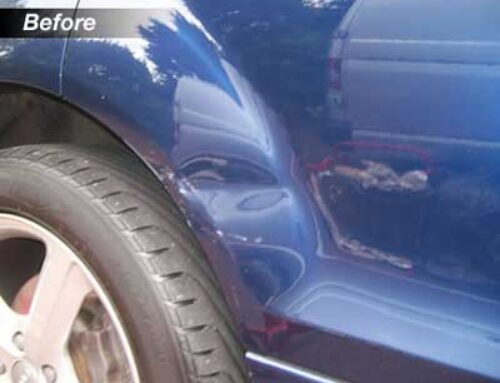
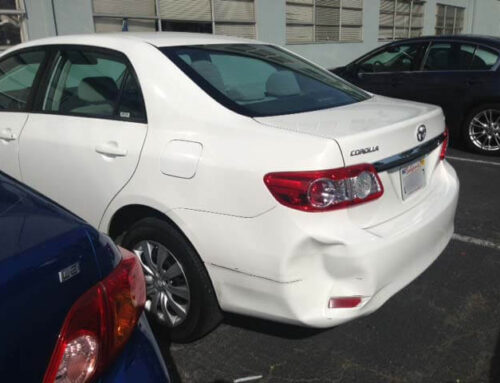
You can also explore real results on our before and after gallery to see what is possible with professional repair.
Get Expert Help from Piedmont Dent Repair
If you want to know whether your vehicle qualifies for paintless dent repair, Piedmont Dent Repair offers expert evaluations and reliable solutions. Their team can assess your damage and recommend the most effective way to restore your vehicle’s appearance.
For service availability in your area, you can also check our service areas or reach out directly through our contact page.