Table of Contents
- What Should I Look For In A Dent Repair Shop?
- How Do I Know If A Dent Repair Technician Is Qualified?
- Should I Choose A Specialist Or A General Body Shop?
- Do Dent Repair Shops Offer Free Estimates?
- How Important Are Online Reviews When Choosing A Repair Shop?
- What Questions Should I Ask Before Hiring A Dent Repair Company?
- How Can I Compare Dent Repair Quotes?
- Key Takeaways
- Choose A Repair Plan That Protects Your Vehicle
The best dent repair shop should have qualified technicians, clear repair methods, written estimates, strong local feedback, and experience with your vehicle’s damage. A dependable dent repair shop should also explain whether paintless dent repair, conventional bodywork, refinishing, or panel replacement is the correct solution.
Choosing carefully protects the factory finish, value, overall repair budget, and final appearance. Compare shops based on training, specialization, documentation, warranties, communication, and repair quality rather than price alone.
A thorough inspection should identify hidden concerns before you authorize the work or file an insurance claim.
What should I look for in a dent repair shop?
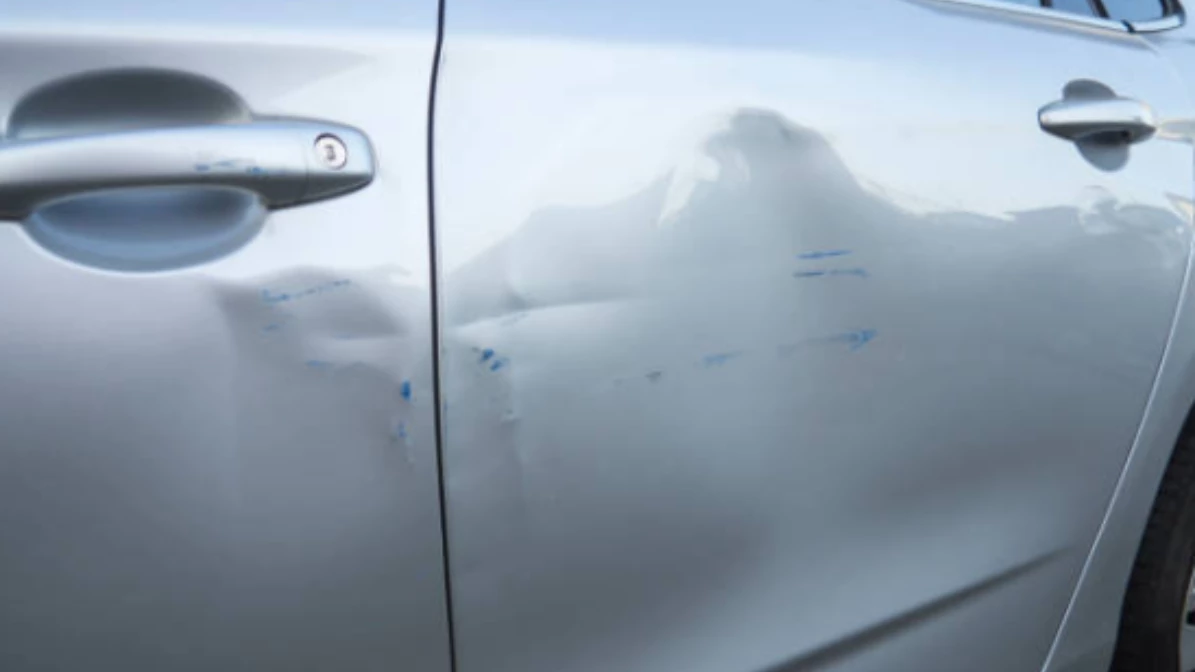
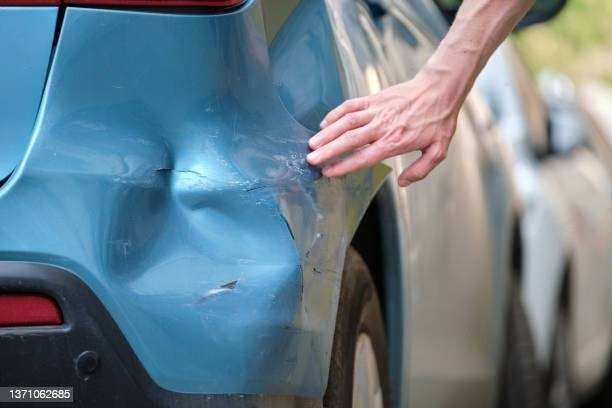
Look for a shop that begins with a careful inspection and explains the recommended method in plain language. The technician should examine dent depth, panel material, paint condition, body lines, previous repairs, and access.
A professional shop should not assume every dent qualifies for paintless dent repair. Sharp creases, stretched metal, cracked paint, corrosion, and structural damage may require conventional repair or panel replacement.
Evaluate the entire customer process
A reliable shop provides:
- A secure work area
- Business information
- Written repair recommendations
- Itemized pricing
- Completion dates
- Warranty details
- Insurance claim assistance when applicable
- Before and after documentation
- Safe storage for vehicles
- A clear approval process for additional work
Ask who will inspect the vehicle and who will complete the repair. The estimator should understand the technique and recognize damage revealed after trim removal or detailed inspection.
The shop should explain how it protects paint, trim, electronics, and interior panels during repair.
How do I know if a dent repair technician is qualified?
A qualified technician needs experience, training, work examples, and knowledge of vehicle materials. Modern vehicles use varied metals, plastics, adhesives, sensors, and complex panel construction.
Ask how long the technician has performed the specific repair method your vehicle needs. General automotive experience does not automatically equal paintless dent repair skill.
Training should match the assigned work
I-CAR develops collision-repair education and role-based training for technicians and estimators. Its programs reflect the specialized knowledge required for complete, safe, and quality repairs.
Useful qualifications may include:
- Paintless dent repair training
- Collision repair education
- Aluminum repair experience
- Estimating and damage analysis training
- Manufacturer-specific knowledge
- Hail repair experience
- Safe trim removal
- Paint and finish evaluation
- Evidence of continuing education
Request examples involving similar dents, locations, paint conditions, and materials. A skilled technician should explain limitations without promising an invisible result before inspecting the vehicle closely.
Should I choose a specialist or a general body shop?
Choose a specialist when the damage is limited to dents with intact paint and the vehicle appears suitable for paintless dent repair. A specialist may offer deeper experience with hail damage, door dings, body lines, and factory-finish preservation.
Choose a general body shop when the vehicle has cracked paint, torn metal, collision damage, broken parts, structural concerns, or panels that need refinishing.
Some repairs require both services
A vehicle may have dozens of repairable hail dents plus several areas with chipped paint. A paintless dent specialist may restore most panels while a body shop handles refinishing.
Ask whether the shop completes all work internally or sends parts of the job elsewhere. The estimate should identify any subcontractor and who provides the warranty.
The choice should depend on the damage, not the shop’s preference. Avoid any provider that recommends paintless repair for every dent or conventional bodywork for damage that could preserve the original finish.
Do dent repair shops offer free estimates?
Many shops offer free visual estimates, but policies vary. Photographs may support a basic estimate, but accurate pricing often requires an in-person inspection.
Photo estimates can miss shallow dents, cracked paint, hidden damage, or access limits. Hail damage is especially difficult to count outdoors or on a dirty vehicle.
Understand what the estimate includes
Ask whether the quote covers:
- Inspection and damage mapping
- Labor
- Trim removal and installation
- Paintless dent repair
- Conventional bodywork
- Refinishing
- Replacement parts
- Shop materials
- Taxes and fees
- Insurance supplements
- Vehicle cleaning
- Warranty coverage
A written estimate may change if cleaning or disassembly reveals hidden conditions.
The shop should explain which changes require your approval. Do not rely on a verbal total that provides no repair scope, panel list, labor detail, or warranty information.
How important are online reviews when choosing a repair shop?
Online reviews are useful for identifying patterns in communication, workmanship, scheduling, billing, and warranty support. They should support your decision, not replace an inspection, credential review, and written estimate.
Look for detailed comments about damage, repairs, final appearance, insurance, and unexpected issues.
Read criticism as carefully as praise
Repeated complaints about missed deadlines, unexplained charges, poor communication, paint damage, visible repair marks, or denied warranty work deserve attention.
Consider how the business responds. A professional response should address the concern respectfully without exposing private customer information or attacking the reviewer.
BBB recommends researching repair businesses, understanding estimates, and watching for disreputable practices before authorizing automotive work.
Be cautious with perfect ratings based on few comments. Check recency, consistency, local relevance, and connection to actual repairs.
What questions should I ask before hiring a dent repair company?
Ask questions about the method, technician, expected result, cost controls, and responsibility for problems.
Essential questions include:
- Is paintless dent repair appropriate for this damage?
- Will the factory paint remain intact?
- Who will perform the repair?
- Have you repaired similar panels?
- Will interior trim be removed?
- Could sensors or electronics be affected?
- What result should I realistically expect?
- How long will the vehicle remain at the shop?
- Is the estimate itemized?
- What could increase the final price?
- Do you provide a written warranty?
- How are insurance supplements handled?
- What happens if the dent cannot be fully corrected?
A trustworthy technician answers directly and documents promises. Avoid shops that pressure you to leave the vehicle immediately, refuse written terms, or guarantee perfection without a proper inspection.
For a dent repair shop in Charlotte, NC, also ask about local scheduling after hailstorms, secure vehicle storage, insurance coordination, and expected appointment delays.
How can I compare dent repair quotes?
Compare repair scope rather than totals alone. One quote may include trim removal, every damaged panel, taxes, finishing work, and a warranty. Another may list only basic labor.
Ensure each shop evaluated the same damage under comparable conditions.
Review every quote line by line
Compare:
- Panels included
- Dent quantity and severity
- Repair method
- Technician experience
- Trim and access work
- Paint or refinishing needs
- Replacement parts
- Estimated completion time
- Warranty terms
- Insurance procedures
- Additional-charge approval
- Payment requirements
Ask why estimates differ. A higher quote may reflect access work, difficult body lines, aluminum panels, or a more complete plan. A lower quote may be reasonable when the shop has efficient processes and clear expertise.
Do not choose solely by discount. Poor work can leave waves, tool marks, cracked paint, damaged trim, or costly correction.
The strongest quote states the scope, method, expected outcome, and process for plan changes.
Key Takeaways
Choose a dent repair shop by examining technician experience, training, specialization, estimates, reviews, warranties, communication, and repair methods.
The lowest quote is not always the best value because shops may include different panels, labor, access work, refinishing, or parts.
Request a written scope and ask who will complete the repair. Reviews can reveal useful patterns, but direct inspection and clear answers matter more.
A qualified shop should recommend paintless repair only when appropriate, explain realistic results, protect the vehicle during service, and obtain approval before adding unexpected repair costs later.
Choose a Repair Plan That Protects Your Vehicle
Piedmont Dent Repair can inspect your vehicle, evaluate paint condition, identify suitable repair methods, and explain the expected result before work begins.
Bring insurance information, storm photographs, and any previous repair records to the assessment. A detailed evaluation can clarify pricing, timing, warranty coverage, and whether paintless dent repair can preserve the factory finish without unnecessary bodywork or repainting.