Table of Contents
- Should I Repair Dents Before Returning A Leased Vehicle?
- How Much Do Dealerships Charge For Dent Damage?
- Can Paintless Dent Repair Help Avoid Lease-End Penalties?
- What Damage Is Considered Excessive Wear And Tear?
- Is Dent Repair Cheaper Than Dealership Repair Fees?
- How Soon Before Lease Return Should Dents Be Repaired?
- Will Small Dents Affect My Lease Inspection?
- Key Takeaways
- Prepare Your Vehicle Before The Final Inspection
Lease return dent repair can reduce end-of-lease charges when dents exceed the leasing company’s normal wear standards. Professional dent repair for lease vehicles may cost less than dealer-assessed fees, especially when paintless repair preserves the factory finish.
Review your lease agreement before scheduling work because allowable damage, inspection procedures, and charge calculations vary by lender. Arrange a pre-return inspection early enough to compare repair estimates and correct qualifying damage.
Careful preparation protects your budget and helps return the vehicle in acceptable condition without unnecessary bodywork costs.
Should I repair dents before returning a leased vehicle?
Repair dents before return when they are likely to be classified as excessive wear and the independent repair cost is reasonable. Do not repair every mark automatically. Small imperfections may fall within normal wear.
Start by reading the lessor’s wear guide and scheduling any offered pre-inspection. Toyota Financial states that customers may repair a leased vehicle to avoid potential excess wear charges, while also advising them to review their individual lease terms.
Compare three practical options
For each dent, consider:
- Leaving acceptable wear unchanged
- Completing paintless dent repair
- Accepting the assessed lease-end charge
- Using applicable wear protection
- Filing an insurance claim when appropriate
Ask whether repairs require documentation or specific quality standards. Poorly completed work can remain chargeable if visible waves, mismatched paint, sanding marks, or damaged trim are present.
If you plan to purchase the vehicle, confirm the buyout terms before spending money on cosmetic correction.
How much do dealerships charge for dent damage?
There is no universal dealer price for dents. Charges depend on the lessor’s standards, dent size, location, paint condition, repair method, labor, and replacement parts.
The leasing company or inspection provider usually determines chargeable wear under the contract. The Consumer Financial Protection Bureau notes that motor vehicle leases may impose charges for excessive wear based on disclosed standards.
Request the actual assessment
Do not rely on a salesperson’s rough estimate. Ask for a written pre-inspection report identifying each chargeable item and expected amount.
Potential charges may cover:
- Dent correction
- Scratches and paint damage
- Cracked lamps or glass
- Missing keys or accessories
- Wheel damage
- Tire replacement
- Interior stains or tears
- Unapproved modifications
Some lessors offer limited waivers or protection products. Compare the assessed amount with a written repair quote before choosing. Request separate prices for each dent or panel. This makes it easier to prioritize chargeable damage and leave acceptable wear alone. Confirm whether the estimate remains valid through your scheduled return date.
Can paintless dent repair help avoid lease-end penalties?
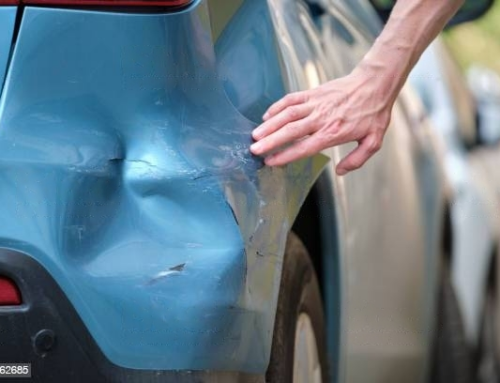
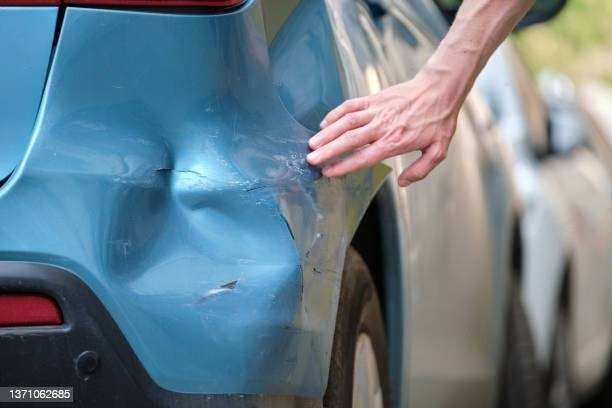
Yes. Paintless dent repair can correct qualifying dents before inspection without filler, sanding, primer, or repainting. Preserving factory paint can limit repair time and materials.
PDR works best when the paint remains intact, the metal is not severely stretched, and the technician can access or safely pull the damaged area.
Repair quality remains important
A lease inspector may still note damage when correction leaves high spots, waves, cracked paint, or visible tool marks. Choose a technician experienced with body lines, aluminum, and lease-return standards.
PDR may be suitable for:
- Parking-lot door dings
- Shallow rounded dents
- Minor body-line impressions
- Selected hail dents
- Larger dents with intact finishes
It is less suitable for torn metal, severe creases, rust, structural damage, and broken paint. Request an inspection before assuming every dent qualifies.
What damage is considered excessive wear and tear?
Excessive wear exceeds the lessor’s standard for normal use. Your lease agreement and current wear guide control the decision, so measurements used by one company may not apply to another.
Ally, for example, provides a Wear Square and states in its published guide that certain exterior dings, dents, and scratches under two inches may receive no charge, while holes or punctures are chargeable. That rule is not universal.
Common chargeable conditions may include:
- Large or numerous dents
- Paint cracks or deep scratches
- Punctures and torn panels
- Poor previous repairs
- Broken lamps or mirrors
- Cracked windshields
- Damaged wheels
- Tires below required standards
- Missing equipment
- Interior burns, tears, or stains
Normal wear recognizes reasonable use during the lease. Excessive wear reflects damage, neglect, missing items, or conditions outside the contractual allowance.
Use the official guide supplied for your vehicle and lease date. Standards can change, and examples may not cover every chargeable condition.
Is dent repair cheaper than dealership repair fees?
Independent dent repair can cost less when PDR corrects damage efficiently. The answer depends on the assessed fee, repair quote, deductible, coverage, and inspection outcome.
Ally advises customers that they may choose a dealer or qualified mechanic to fix excess wear and potentially avoid lease-end charges. It also suggests checking whether insurance may cover certain repairs.
Compare complete out-of-pocket costs
Evaluate:
- Repair estimate
- Lease-end assessment
- Insurance deductible
- Potential premium impact
- Rental or transportation cost
- Inspection deadline
- Warranty coverage
- Risk of incomplete repair
Do not authorize a $500 repair to avoid a $250 charge. A qualified technician may correct larger assessed damage for less.
Ask the shop to identify included panels and possible charges after trim removal. Keep invoices and photographs showing the completed work.
How soon before lease return should dents be repaired?
Begin reviewing the vehicle approximately two to three months before the scheduled return. This allows time to review standards, schedule an inspection, compare quotes, complete repairs, and address concerns.
Some lessors contact customers several months before lease ends. Ally states that it sends a return kit about 120 days before the scheduled end date. Your lender may use another schedule.
Avoid waiting until the final week
Late planning limits appointment choices and encourages rushed decisions. Hailstorms and other regional events can quickly fill dent-repair schedules.
A practical sequence is:
- Review the lease terms.
- Clean and inspect the vehicle.
- Schedule the available pre-inspection.
- Obtain written repair estimates.
- Compare repair and charge amounts.
- Complete approved work.
- Photograph the final condition.
- Retain receipts for the return appointment.
For lease return dent repair in Charlotte, NC, scheduled earlier during hail season or periods of high collision-repair demand.
Will small dents affect my lease inspection?
Small dents may affect the inspection. Their size, number, location, paint condition, and the lessor’s current guidelines determine whether they are acceptable.
One minor ding may be normal wear. Several dents on one panel may be assessed differently.
Inspect under proper lighting
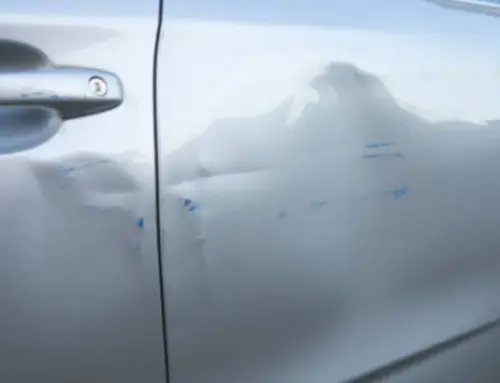
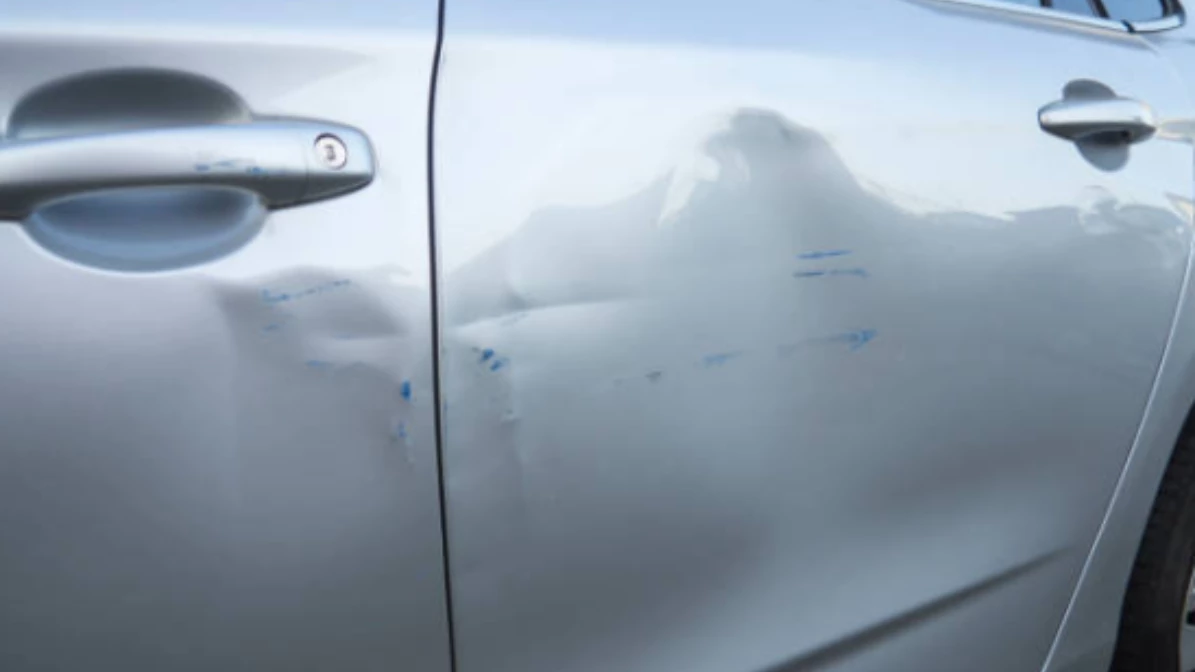
Wash the vehicle and examine it in daylight from several angles. Reflections can reveal shallow dents that dirt or indoor lighting hides.
Check:
- Doors and body lines
- Hood and roof
- Quarter panels
- Fenders
- Trunk or liftgate
- Bumpers
- Areas near handles
- Previous repair locations
Avoid last-minute suction, glue pulling, drilling, or heating. DIY correction can crack paint, stretch metal, or create high spots.
Ask the leasing company whether an early inspection is available. The CFPB advises that leases may include end-of-term fees for excess wear, making the contract and official standards essential references.
Key Takeaways
Repair lease-return dents when they exceed your lessor’s wear standards and professional correction costs less than the expected charge. Review the lease, use the official wear guide, and schedule a pre-inspection before authorizing work.
Paintless dent repair can preserve factory paint and reduce costs when damage qualifies. Small dents may be acceptable, but size, quantity, location, and paint condition still matter.
Begin planning several months before return, compare written assessments with repair quotes, keep receipts and photographs, and avoid DIY methods that create damage or higher fees overall.
Prepare Your Vehicle Before the Final Inspection
Piedmont Dent Repair can evaluate door dings, body-line dents, hail impressions, and other lease-return concerns before the vehicle goes through its final inspection.
Bring the lessor’s wear guide, pre-inspection report, return date, and damage photographs. An assessment can identify PDR-eligible dents, explain realistic results, and compare repair costs with potential charges without unnecessary work.