Table of Contents
- What Is The Difference Between A Dent Specialist And A Body Shop?
- Are Dent Repair Specialists More Experienced With Pdr?
- Why Choose A Local Dent Repair Expert?
- Do Dent Specialists Provide Faster Turnaround Times?
- Can A Specialist Repair Dents Without Repainting?
- How Do Local Dent Repair Shops Compare On Cost?
- Are Dent Specialists Better For Hail Damage Repairs?
- Key Takeaways
- Choose Focused Care For Your Vehicle’s Dents
Local dent repair specialists often deliver better results because they focus on precise metal correction and factory paint preservation. For an auto body shop vs dent repair specialist, the right choice depends on whether the vehicle needs paintless dent repair, refinishing or structural work.
Specialists are valuable for door dings, hail damage, shallow creases, and body-line dents with intact paint. General body shops remain essential for collision damage and broken finishes.
A careful inspection should determine which repair path restores the vehicle without adding unnecessary work, cost, or downtime.
What is the difference between a dent specialist and a body shop?
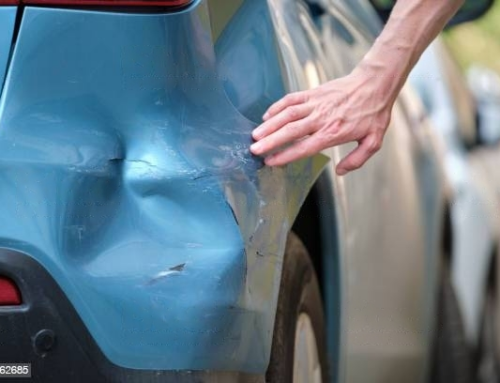
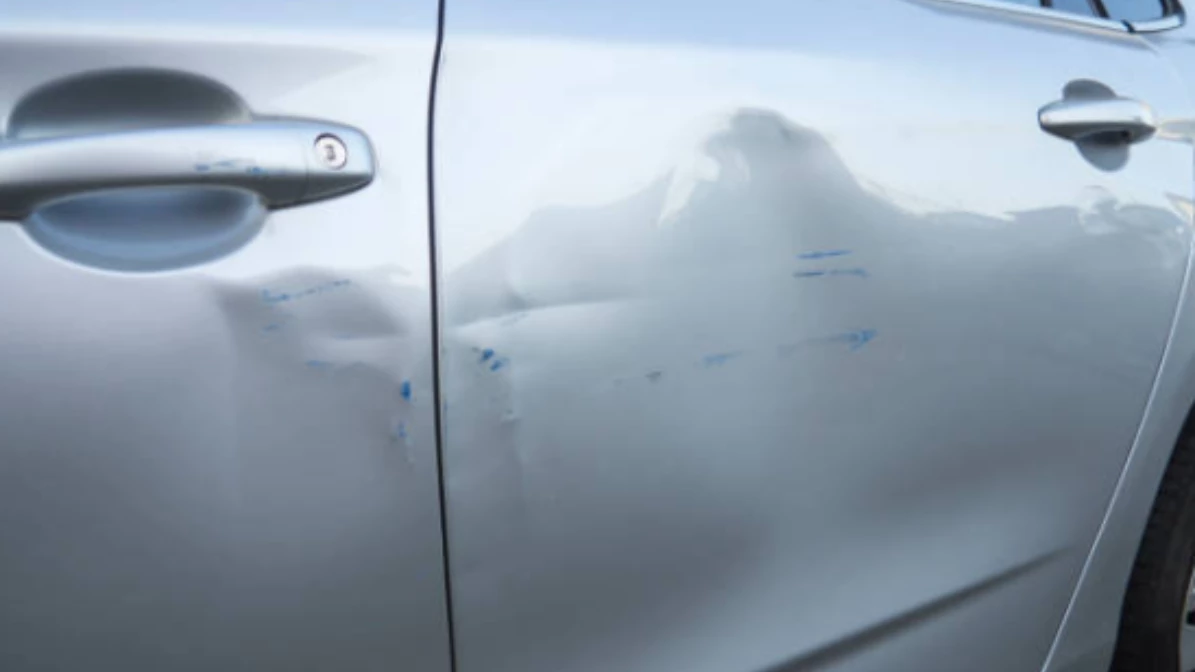
A dent specialist focuses primarily on correcting dents, dings, creases, and hail impressions. Many specialists use paintless dent repair, or PDR, to reshape original metal without sanding, filler, primer, or repainting.
A general auto body shop handles a broader range of damage. Its services may include collision repair, structural straightening, welding, panel replacement, refinishing, bumper work, and replacement of damaged components.
The damage determines the correct provider
A specialist is often the efficient choice when paint remains intact and the panel can be restored through controlled metal movement. A body shop is usually necessary when the vehicle has cracked paint, torn metal, corrosion, structural damage, or parts that require replacement.
Some repairs need both services. A hail-damaged vehicle may have many PDR-eligible dents plus one panel with chipped paint. A coordinated plan can preserve original finishes where possible while using conventional repair only where necessary.
Are dent repair specialists more experienced with PDR?
Dent specialists often perform PDR more frequently than general body technicians because it is central to their daily work. Repetition can improve tool control, repair planning, access decisions, and the ability to read subtle panel distortion.
PDR requires more than pushing the center of a dent. Technicians must manage crowns, body lines, panel tension, paint flexibility, and high spots while protecting nearby trim and components.
Specialized training supports consistent work
I-CAR offers dedicated PDR education covering tools, techniques, panel access, repair planning, and practical skills. This reflects the specialized knowledge required to perform controlled repairs on modern vehicles.
Ask how often the assigned technician repairs your type of damage. Experience with hail, aluminum, sharp creases, and complex body lines can matter more than general years in automotive service.
Why choose a local dent repair expert?
A local expert offers practical advantages beyond convenience. Established local businesses depend on repeat customers, referrals, reviews, and relationships within the community. That visibility can encourage responsive communication and clear accountability.
Local specialists may also understand regional damage patterns. In Charlotte, hailstorms, crowded parking areas, falling branches, and road conditions can create recurring dent types.
Direct access improves communication
Working locally can make it easier to:
- Schedule an in-person inspection
- Review damage under proper lighting
- Discuss insurance documentation
- Approve supplements
- Check repair progress
- Address warranty concerns
- Return for follow-up evaluation
- Verify the final result before pickup
For dent repair specialists in Charlotte, NC, choose a provider with local familiarity and proven skill in the specific method your vehicle requires.
Do dent specialists provide faster turnaround times?
Dent specialists can often complete eligible PDR work faster because the process avoids many conventional refinishing steps. There may be no sanding, filler application, priming, color matching, spraying, curing, or paint blending.
State Farm explains that PDR removes qualifying dents without disturbing the vehicle’s finish by using specialized pressure or exterior pulling methods.
Faster service still depends on the damage
A single accessible door ding may be repaired quickly. Extensive hail damage can require several days because technicians must map and correct many dents across the roof, hood, trunk, rails, and side panels.
Timing may also depend on:
- Dent quantity and severity
- Aluminum or steel construction
- Trim removal
- Tool access
- Insurance approval
- Replacement moldings or clips
- Existing paint damage
- Shop scheduling after storms
Ask for the expected shop time and the appointment wait. A specialist should avoid promising same-day completion before inspecting the complete vehicle.
Can a specialist repair dents without repainting?
Yes. A specialist can repair many dents without repainting when the factory finish remains intact, the metal is workable, and safe access is available. Preserving original paint is one of the primary reasons owners choose PDR.
The technician may use rods and picks behind the panel or controlled glue pulling from the exterior. Each method requires gradual correction and careful observation.
Not every dent qualifies
PDR may be unsuitable when the damage includes:
- Cracked, chipped, or peeling paint
- Torn or punctured metal
- Severe panel stretching
- Heavy corrosion
- Structural deformation
- Extensive previous filler
- Unsafe or impossible access
- Crushed edges or seams
Progressive notes that paintless removal can sometimes restore hail dents, while filling, refinishing, or panel replacement may be necessary for other damage.
A trustworthy specialist recommends repainting when preserving the finish would leave the repair incomplete or vulnerable to corrosion.
How do local dent repair shops compare on cost?
Specialists can cost less for qualifying dents because PDR avoids paint materials, body filler, refinishing labor, and many disassembly steps. Shorter repair time may also reduce rental vehicle expenses and inconvenience.
However, price depends on dent size, depth, location, body-line involvement, panel material, access, and total quantity. Complex PDR can require substantial skill and time.
Compare complete written scopes
Review whether each estimate includes:
- Every damaged panel
- Dent quantity and severity
- Trim removal and reinstallation
- Aluminum surcharges
- Insurance documentation
- Taxes and shop fees
- Replacement clips or moldings
- Warranty coverage
- Cleanup and quality inspection
- Approval for additional work
A body shop quote may include refinishing that a specialist believes is unnecessary. A specialist quote may exclude cracked paint or replacement parts that a body shop includes.
The lowest number is not always the lowest final cost. Compare the repair method, expected finish, downtime, warranty, and risk of repeated work.
Are dent specialists better for hail damage repairs?
Dent specialists are often well suited for hail damage because PDR may restore dozens or hundreds of dents while retaining factory paint. Hail repair requires systematic dent mapping, consistent lighting, varied tools, and experience across multiple panel shapes.
Specialists may also be familiar with insurer estimates, dent-count matrices, supplements, photographs, and documentation required after widespread storm damage.
Hail work requires complete inspection
A proper assessment should examine:
- Hood and roof
- Trunk or liftgate
- Roof rails
- Doors and quarter panels
- Fenders
- Moldings and trim
- Glass and lamps
- Paint chips
- Previous repairs
- Aluminum panels
PDR is not automatically appropriate for every hail impact. Sharp dents, cracked coatings, stretched metal, damaged edges, and broken parts may require conventional work.
After a major storm, avoid choosing temporary out-of-area crews without checking warranties, business information, and follow-up arrangements. A permanent local specialist is easier to contact if concerns appear after pickup.
Ask whether all repairs are performed onsite, who handles refinishing when needed, and which company stands behind the complete job. Clear documentation helps owners understand exactly what work was completed.
Key Takeaways
Dent specialists often deliver strong results for eligible dents because their work centers on precise metal correction, PDR tools, and factory paint preservation.
General body shops remain essential for cracked finishes, structural damage, welding, replacement parts, and refinishing. Local specialists may offer faster communication, convenient inspections, focused hail experience, and reduced turnaround when repainting is unnecessary.
Compare providers by training, repair scope, examples, warranties, documentation, and expected outcomes rather than price alone. The best choice is the qualified shop whose methods match the vehicle’s actual damage and long-term repair needs.
Choose Focused Care for Your Vehicle’s Dents
Before recommending a repair method, we inspect dent depth, paint condition, panel material, body lines, access points, and previous repairs. At Piedmont Dent Repair, we use these details to determine the most appropriate approach for your vehicle.
Bring your insurance information, storm photographs, and available repair records to the evaluation. We can identify areas that may qualify for PDR, explain when conventional repairs are needed, clarify timing and cost, and create a repair plan that helps protect your factory finish without unnecessary procedures.