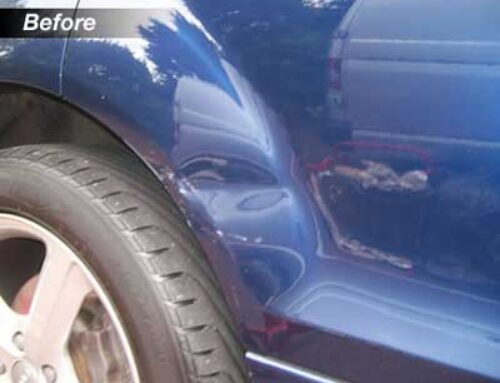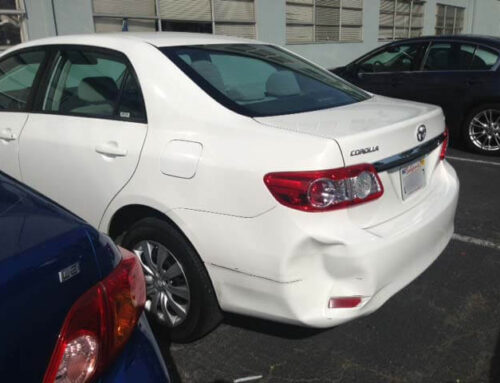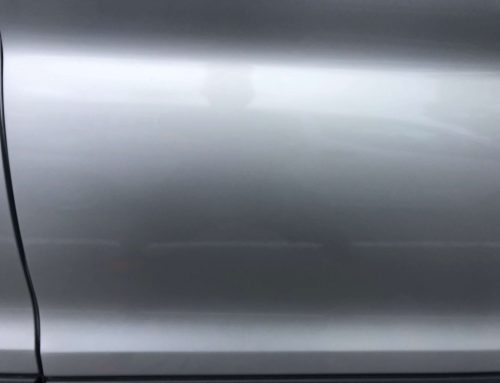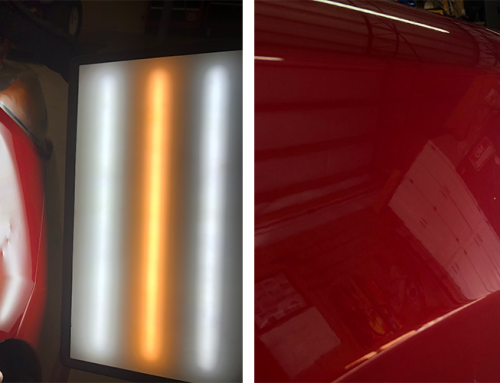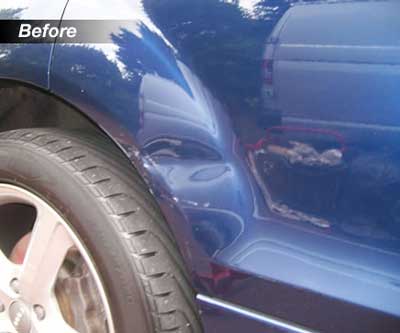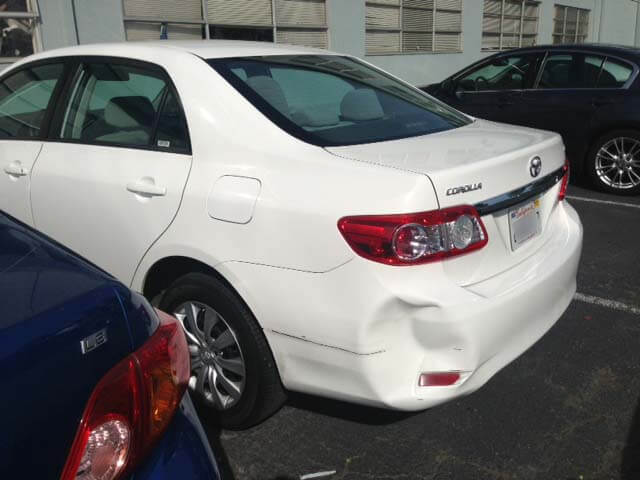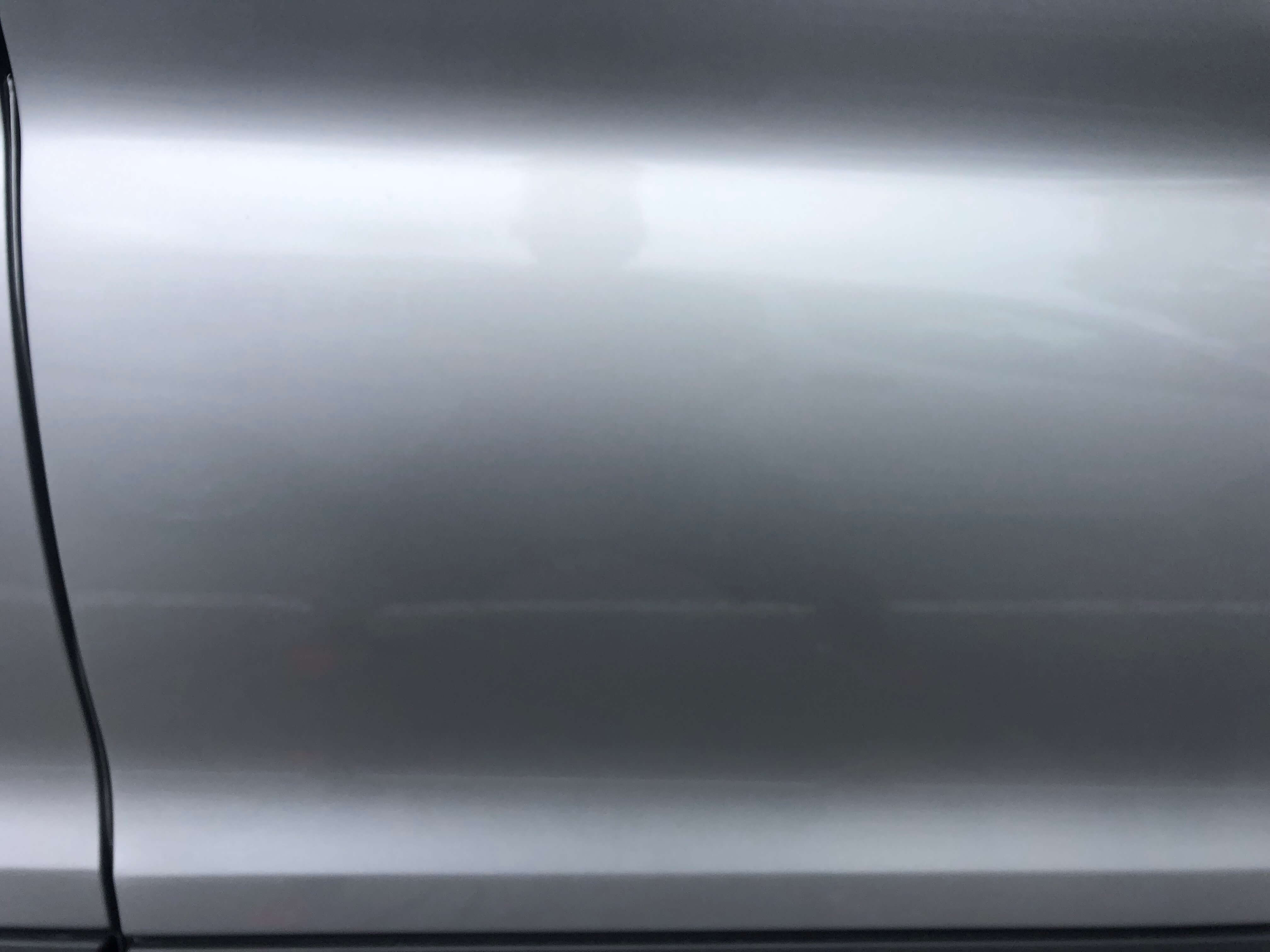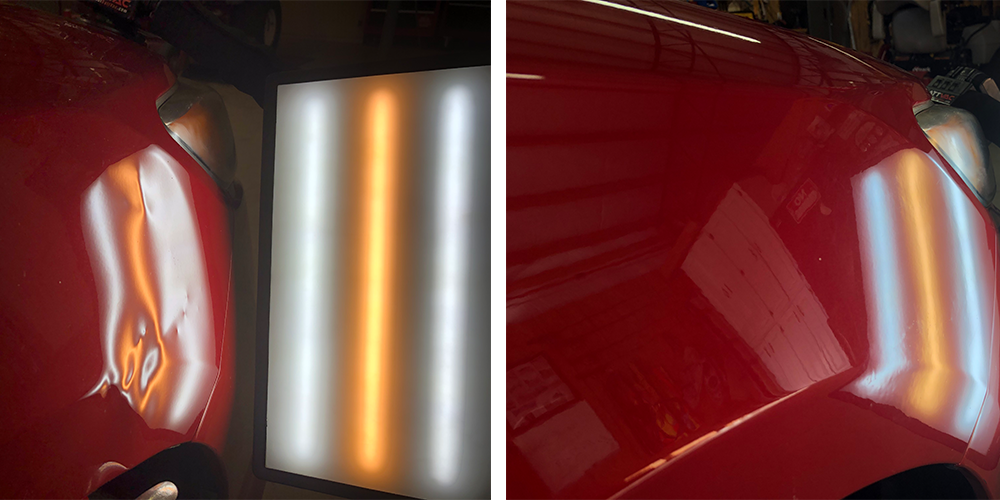
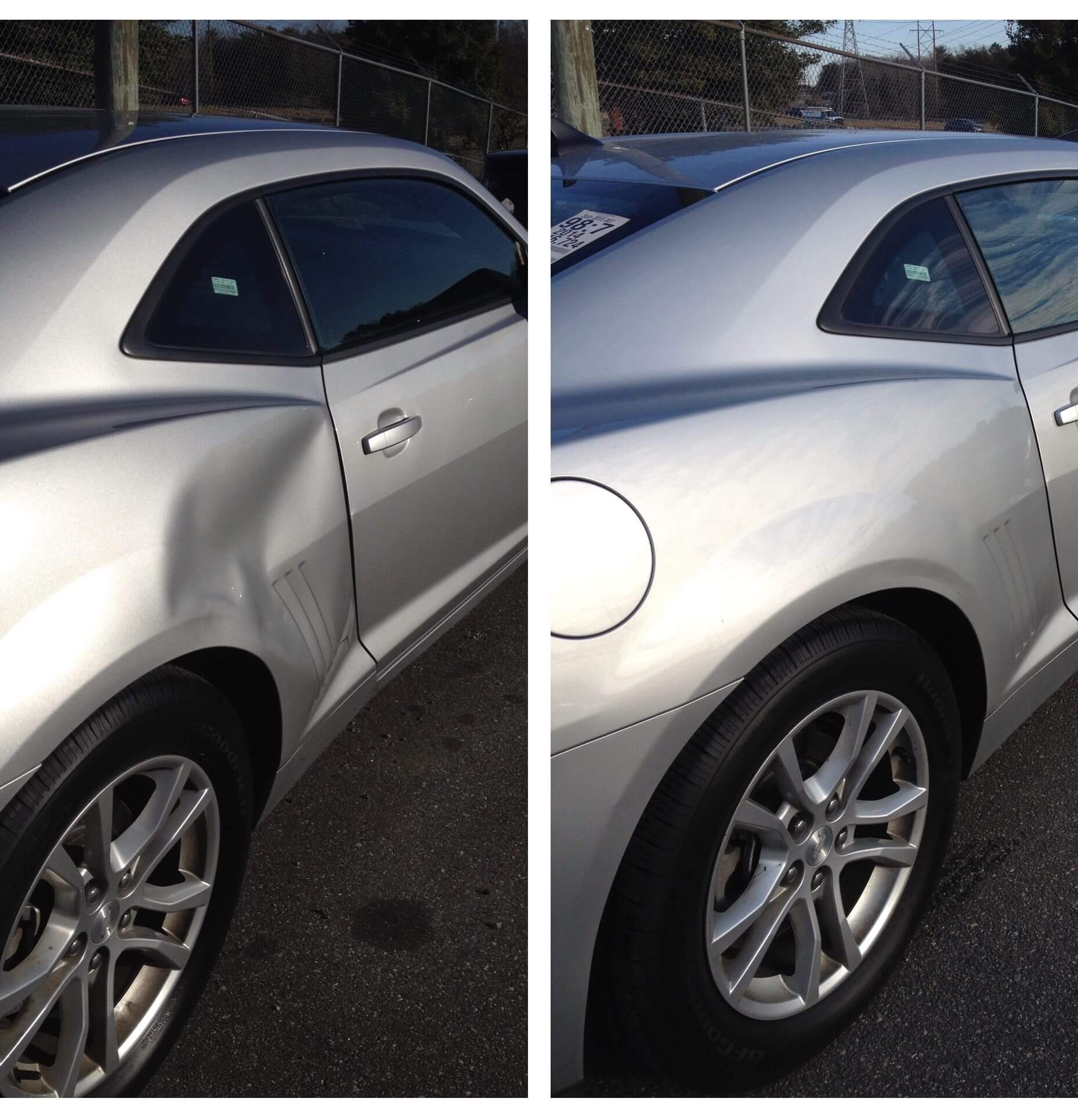
Many small to moderate dents can be repaired without repainting if the original paint surface remains intact and the metal has not been severely stretched. Paintless dent repair, commonly called PDR, is designed to restore vehicle panels while preserving the factory finish and avoiding traditional body filler or repainting methods.
Vehicle owners often assume any dent automatically requires sanding and repainting. However, modern dent removal techniques can repair many forms of damage while maintaining the original paint condition.
Understanding which dents qualify for paintless repair helps drivers make informed decisions about repair options, vehicle value preservation, and long-term appearance quality.
What Kinds of Dents Qualify for Paintless Dent Repair?
Paintless dent repair works best on dents where the paint surface remains undamaged and the metal can be reshaped safely.
Shallow Dents Are Ideal Candidates
Small and shallow dents often respond very well to PDR techniques.
Common examples include:
- Parking lot dents
- Shopping cart impacts
- Minor body panel impressions
- Soft creases
The shallower the dent, the more likely it can be repaired without repainting.
Flexible Factory Paint Improves Success
Modern automotive paint systems are designed with flexibility that allows controlled metal movement without cracking.
Vehicles with intact factory paint typically qualify more easily for:
- Dent removal
- Paint preservation
- Non-invasive repair methods
Aftermarket repainting may reduce PDR success because non-factory paint can crack during repair.
Aluminum and Steel Panels May Qualify
PDR works on both aluminum and steel panels, although aluminum repairs often require additional precision because the metal responds differently during reshaping.
Technicians evaluate:
- Metal flexibility
- Dent depth
- Panel access
- Paint condition
before recommending repair.
Panel Location Matters
Dents located on flatter surfaces are usually easier to repair than dents near:
- Panel edges
- Reinforcement structures
- Sharp body lines
Accessibility strongly affects repair feasibility.
Many vehicle owners seeking dent removal in Charlotte, NC choose PDR specifically to maintain factory paint quality and resale value.
Can PDR Fix Hail Damage and Door Dings?
Yes. Hail damage and door dings are among the most common problems repaired through paintless dent repair.
Hail Dents Are Common PDR Repairs
Hailstorms frequently create multiple small dents across:
- Hoods
- Roofs
- Trunks
- Doors
If the paint remains intact, many hail dents qualify as dents repaired without repainting.
PDR is often preferred because it preserves the original finish while avoiding extensive body filler and repainting.
Door Dings Are Ideal for Paintless Repair
Door dings usually involve shallow impact damage caused by:
- Adjacent vehicle doors
- Minor parking lot contact
- Shopping carts
These dents often respond well to controlled metal manipulation techniques.
Multiple Dents May Still Qualify
Vehicles with numerous dents may still qualify for comprehensive paintless repair if:
- Paint remains intact
- Metal is not excessively stretched
- Structural damage is absent
Technicians evaluate each panel individually before confirming repair eligibility.
PDR May Reduce Repair Time
Compared to conventional bodywork, paintless dent repair often requires:
- Less labor
- No sanding
- No repainting
- Reduced downtime
This efficiency makes PDR popular for hail and cosmetic dent repair situations.
Will Paintless Dent Repair Work on Deep or Large Dents?
Some deep or large dents may qualify for partial or complete paintless repair, depending on damage severity and paint condition.
Dent Depth Affects Repair Success
Deep dents create greater metal stretching and distortion.
Factors influencing repair potential include:
- Impact force
- Metal stretching
- Dent sharpness
- Paint flexibility
Sharp dents are generally more difficult to repair fully without affecting the paint surface.
Large Dents May Still Be Repairable
Size alone does not always prevent paintless repair.
Some larger dents can still qualify if:
- The paint is undamaged
- Metal flexibility remains intact
- Creasing is limited
Technicians evaluate overall panel distortion rather than dent width alone.
Sharp Creases Are More Challenging
Creased dents create concentrated stress lines in the metal.
These dents may:
- Require more advanced techniques
- Produce partial restoration only
- Increase paint cracking risk
Repair outcomes depend heavily on panel condition and impact severity.
Structural Damage Limits PDR Effectiveness
Paintless repair is designed for cosmetic panel correction rather than structural collision damage.
Severely damaged panels involving:
- Crushed metal
- Reinforcement deformation
- Torn metal
often require conventional body repair methods instead of standard dent removal procedures.
Can Dents With Chipped or Cracked Paint Be Repaired Without Repainting?
Usually not. Paintless dent repair depends on the paint remaining intact throughout the repair process.
Paint Damage Changes Repair Options
When paint becomes:
- Chipped
- Cracked
- Scratched deeply
- Peeling
the surface generally requires refinishing after dent correction.
Paint defects expose metal surfaces to moisture and corrosion risk.
PDR May Still Assist Before Repainting
In some cases, technicians use PDR techniques to reshape the panel before conventional painting begins.
This approach may reduce:
- Body filler use
- Sanding intensity
- Overall repair time
However, repainting is still necessary when paint damage exists.
Rust Complicates Repair
Rust weakens metal integrity and reduces flexibility during dent correction.
Corroded areas may:
- Crack further
- Resist reshaping
- Require panel replacement
Early repair helps prevent worsening corrosion around damaged areas.
Factory Finish Preservation Matters
One advantage of dents repaired without repainting is preserving the original manufacturer paint finish.
Factory paint often provides:
- Better durability
- Improved color consistency
- Stronger resale appeal
Once paint damage occurs, maintaining that original finish becomes more difficult.
Are All Minor Dents Suitable for Paintless Dent Removal?
No. Even small dents may not qualify for paintless repair depending on several important factors.
Paint Condition Remains Critical
Minor dents with damaged paint may still require conventional bodywork.
Even shallow dents become poor PDR candidates if:
- Paint is fractured
- Clear coat is compromised
- Previous repairs exist
Technicians evaluate surface condition carefully before recommending treatment.
Access Behind the Panel Matters
PDR tools require access behind the damaged panel whenever possible.
Limited access areas may include:
- Reinforced structures
- Double-wall sections
- Tight panel corners
Restricted access can reduce repair feasibility.
Previous Repairs May Affect Results
Panels previously repaired with:
- Body filler
- Repainting
- Excessive sanding
may not tolerate paintless repair safely.
Non-factory paint often reacts differently under pressure and may crack during correction.
Metal Stretching Influences Repair Quality
Even minor dents may stretch metal beyond ideal repair limits.
This is especially common when impacts occur:
- Along body lines
- Near edges
- On thinner metal panels
Technicians determine whether complete restoration is realistic before proceeding.
Professional Evaluation Improves Accuracy
Every dent is unique. Factors such as:
- Vehicle age
- Paint condition
- Dent location
- Metal type
all influence whether dent removal in Charlotte, NC can be completed successfully without repainting.
Accurate evaluation helps set realistic repair expectations and protects long-term vehicle appearance.
Key Takeaways
Paintless dent repair works best on shallow dents where the original paint remains intact and the metal has not been severely stretched. Hail damage, door dings, and many cosmetic dents often qualify for repair without repainting.
Paint condition, dent depth, panel access, and structural integrity all determine whether paintless repair remains possible successfully.
Get Professional Dent Repair With Piedmont Dent Repair
At Piedmont Dent Repair, we specialize in professional dent removal techniques designed to restore vehicle panels while protecting the original factory finish whenever possible. Our team carefully evaluates dent depth, paint condition, and panel structure to determine whether damage qualifies as dents repaired without repainting.
Whether you are dealing with hail damage, door dings, or cosmetic panel dents, we provide trusted dent removal in Charlotte, NC focused on preserving vehicle appearance, value, and long-term finish quality through precise paintless repair methods.