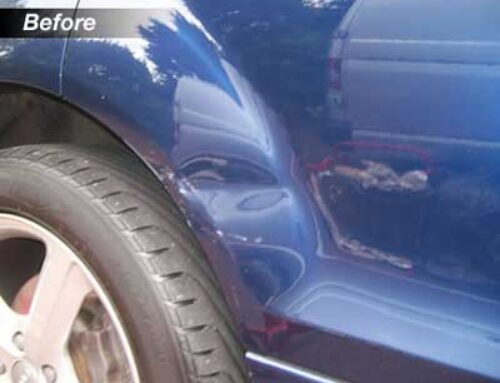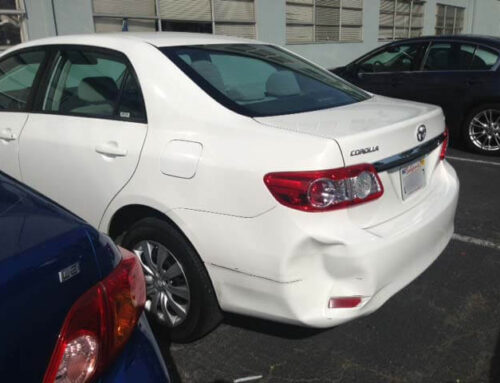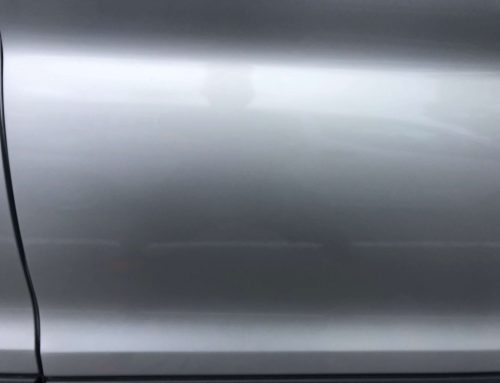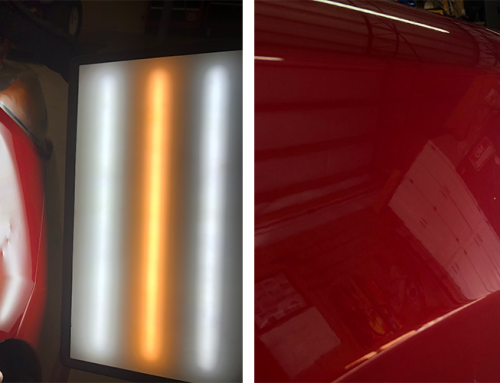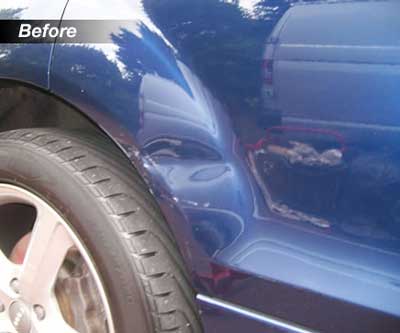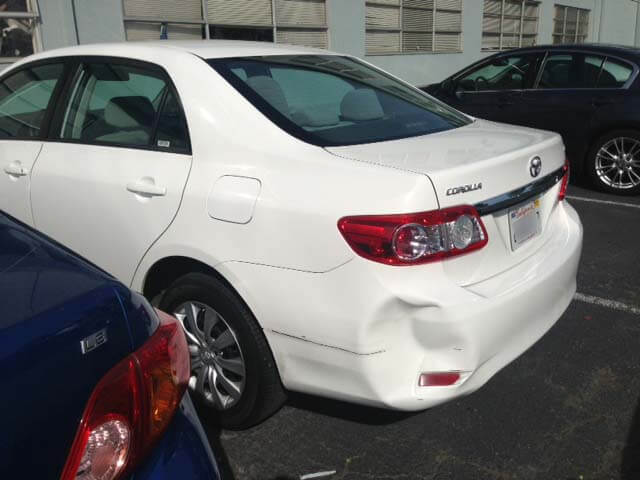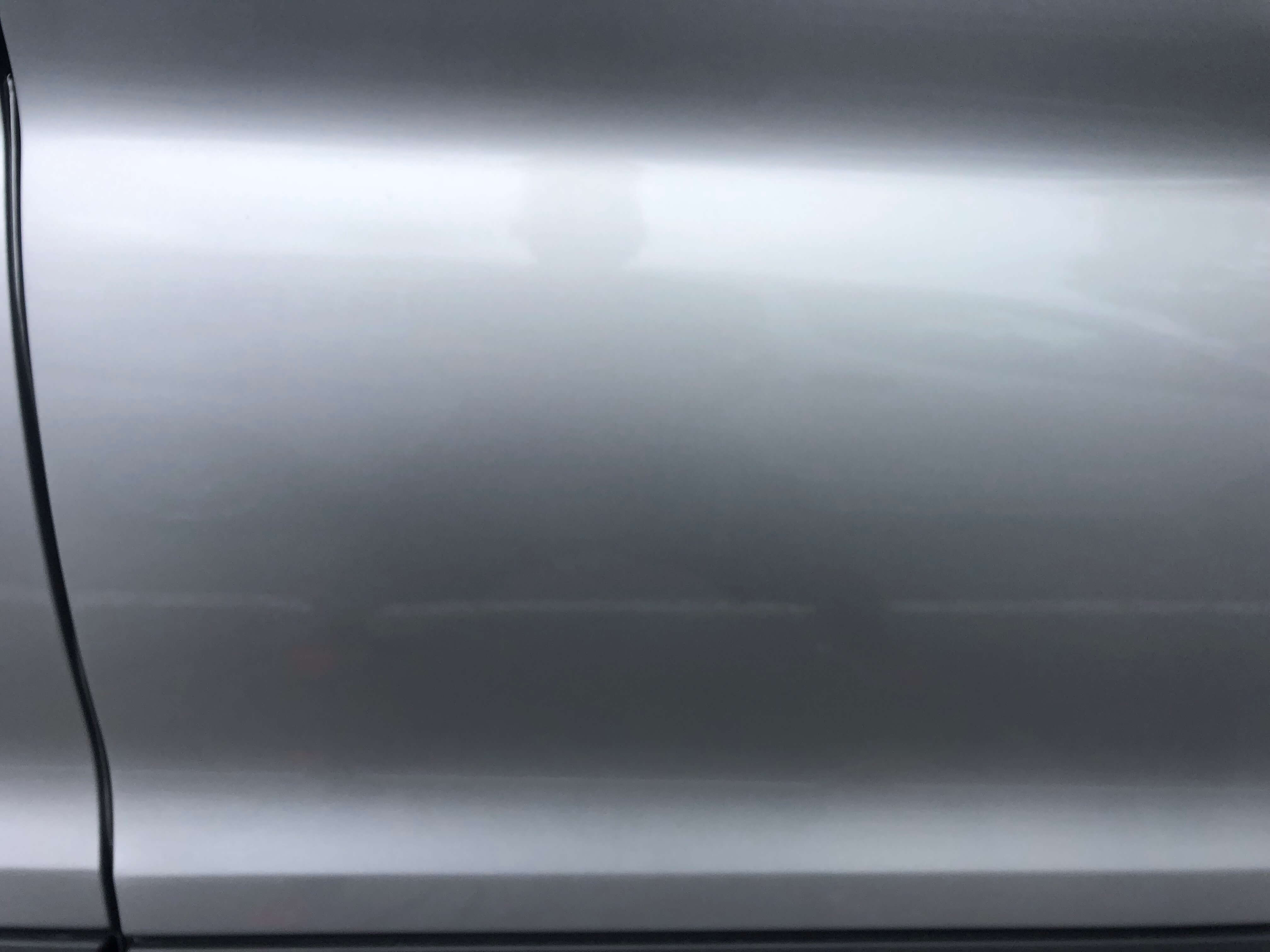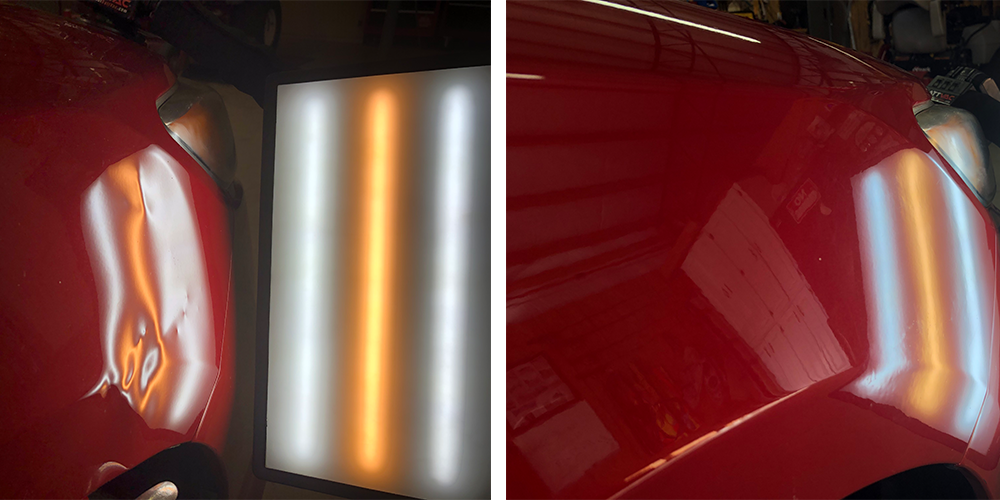
Paintless dent repair is often the better choice when the dent has not damaged the paint because it restores the panel without fillers, sanding, or repainting. Traditional dent repair remains the better option for severe damage, cracked paint, or stretched metal.
A dent on your vehicle can be frustrating, especially when you are unsure which repair method offers the best results, the lowest cost, and the longest-lasting value. Understanding the differences helps you make a confident decision before scheduling repairs.
What Are The Advantages Of Paintless Dent Repair?
Paintless dent repair (PDR) removes dents by carefully reshaping the metal from behind the panel instead of sanding, filling, and repainting the damaged area.
For many minor dents, this approach offers several important benefits.
Preserves the Original Factory Finish
One of the biggest advantages is keeping the vehicle’s factory paint intact.
Factory paint is generally more durable than aftermarket repainting, making it valuable for both appearance and resale. Learn more about why preserving your factory paint matters.
Faster Turnaround
Many PDR repairs take only a few hours.
Traditional repairs often require:
- Sanding
- Body filler
- Primer
- Paint matching
- Clear coat application
- Drying and curing time
That process can keep your vehicle in the shop for several days.
More Affordable
Because there are fewer materials and less labor involved, paintless dent repair usually costs less than conventional body repair. If you’re comparing repair costs, see our guide on how paintless dent repair saves time and money.
Environmentally Friendly
PDR does not use:
- Paint
- Solvents
- Body fillers
- Chemical primers
That makes it a cleaner repair option with less environmental impact. You can also read about the environmental impact of conventional repair methods.
Excellent for Common Damage
PDR works especially well for:
- Door dings
- Shopping cart dents
- Minor collision dents
- Hail damage
- Small creases
As long as the paint remains intact, PDR is often the preferred repair method.
When Should I Choose Traditional Dent Repair Instead Of PDR?
Although PDR works exceptionally well in many situations, it is not the right solution for every dent.
Paint Damage Is Present
If the paint has:
- Cracked
- Chipped
- Peeled
- Scratched through the clear coat
Traditional repairs are usually necessary because restoring the metal alone will not repair the damaged finish.
The Metal Has Stretched
Large impacts can permanently stretch metal beyond its original shape.
When that happens, technicians often need body filler and refinishing to restore the panel properly.
Sharp Impact Damage
Deep punctures or extremely sharp dents may not respond well to PDR.
These dents often require conventional body repair techniques.
Structural Damage
If the accident affected:
- Reinforcement panels
- Frame components
- Safety systems
Traditional collision repair becomes the safer choice.
An experienced technician can inspect the damage and recommend the repair method that produces the best long-term outcome. For a detailed comparison, read What Is the Difference Between Conventional Repair and Paintless Dent Repair?.
Does Paintless Dent Repair Last Permanently?
Yes. When performed correctly, paintless dent repair provides a permanent repair.
Unlike temporary fixes, PDR restores the metal close to its original shape rather than covering the dent with filler.
No Shrinking or Cracking
Because there are no fillers involved, you won’t have to worry about:
- Shrinking body filler
- Paint cracking over repaired areas
- Color fading caused by repainting
Factory Finish Remains Intact
Keeping the original paint also helps the repaired area age consistently with the rest of the vehicle.
Quality Matters
The durability depends heavily on technician experience.
Poor repairs can leave:
- High spots
- Low spots
- Minor distortions
- Surface imperfections
Choosing an experienced repair specialist significantly improves long-term results.
Can Paintless Dent Repair Fix Large Dents?
Sometimes.
The size of the dent is only one factor technicians consider.
Paint Condition Matters Most
Many surprisingly large dents can be repaired if the paint remains undamaged.
A softball-sized dent may still qualify for PDR if the metal has not stretched excessively.
Dent Location Matters
Repairs become more difficult when dents occur near:
- Panel edges
- Body lines
- Tight structural supports
These locations limit technician access.
Metal Flexibility
Modern vehicle panels vary in thickness and flexibility.
Some aluminum panels require specialized tools and advanced training compared to traditional steel panels.
Inspection Determines Eligibility
Rather than judging the repair based on dent size alone, technicians evaluate:
- Paint condition
- Depth
- Metal stretch
- Panel access
- Dent location
Only after inspection can they determine whether PDR or traditional dent repair will produce the best result.
Is PDR Cheaper Than Conventional Body Repair?
In most situations, yes.
Because paintless dent repair eliminates several repair steps, customers often save money.
Lower Labor Costs
Traditional repairs involve multiple technicians performing different stages of repair.
PDR usually requires one technician completing the repair from start to finish.
Fewer Materials
Traditional repairs require:
- Sandpaper
- Body filler
- Primer
- Paint
- Clear coat
- Blending materials
PDR avoids nearly all of these expenses.
Insurance Considerations
Insurance companies frequently approve PDR for hail damage because it restores the vehicle while reducing repair costs. If you’re filing a claim, you may also find helpful information in Does Insurance Cover Car Dents?.
Cost Depends on Damage
Prices vary based on:
- Dent size
- Number of dents
- Vehicle model
- Panel location
- Accessibility
While every repair differs, PDR is generally one of the most cost-effective dent repair options available.
Does Paintless Dent Repair Affect Factory Paint?
No. One of the biggest benefits of paintless dent repair is that it preserves the original factory finish.
Technicians carefully massage the metal back into place without disturbing the paint. Learn more in Paintless Dent Repair: Does It Damage Paint?.
No Repainting Required
Avoiding repainting provides several advantages:
- No paint matching concerns
- No overspray
- No blending into adjacent panels
- Original finish remains intact
Better Long-Term Appearance
Factory paint is applied under highly controlled manufacturing conditions.
Matching that quality later can be challenging, even for experienced collision shops.
Better Corrosion Protection
Keeping the factory finish intact also helps maintain the vehicle’s original corrosion protection.
That can be especially valuable in areas exposed to changing weather conditions.
Which Repair Method Preserves Vehicle Value Better?
For eligible dents, paintless dent repair generally preserves resale value better than traditional dent repair.
Buyers Appreciate Original Paint
Many buyers and dealerships prefer vehicles that retain their factory finish.
Original paint often signals that the vehicle has not undergone extensive collision repairs.
Fewer Repair Records
Minor PDR repairs may leave fewer visible signs of previous damage than conventional repairs involving repainting. You can also explore how dent removal impacts your car’s resale value.
Traditional Repairs Still Have Value
When damage exceeds the limits of PDR, properly performed conventional repairs remain essential.
Quality body repair restores both safety and appearance.
The Right Repair Matters Most
Choosing the wrong repair simply because it is cheaper can create additional problems later.
The best repair method is the one that properly addresses the damage while maintaining vehicle safety, appearance, and long-term value.
Key Insights
Paintless dent repair is the preferred solution for many dents because it preserves factory paint, costs less, and usually takes less time than traditional dent repair. However, severe dents, stretched metal, or damaged paint often require conventional body repair for a complete restoration.
The right choice depends on the condition of the metal rather than dent size alone. A professional inspection helps determine which method will deliver the best appearance, lasting durability, and resale value while avoiding unnecessary repairs or expenses.
Get Honest Advice Before You Repair Your Vehicle
Every dent tells a different story, and choosing the right repair method starts with an expert evaluation. At Piedmont Dent Repair, we take the time to inspect every vehicle and explain whether paintless dent repair, traditional dent repair, or another solution is the better fit.
If you’re looking for trusted paintless dent repair in Charlotte, NC, we’ll give you straightforward recommendations without pressure, answer your questions, and help you restore your vehicle with results you can feel confident about. Contact us today to schedule your evaluation.